Fabric Knowledge
What Is 4-Way Stretch Fabric?
Learn how 4-way stretch fabric works, why stretch textiles matter for sportswear and how activewear brands use flexible performance materials.
Introduction
Comfort has become one of the most important factors in modern apparel design.
Consumers no longer want clothing that simply looks good. They expect garments to move naturally with the body during daily activity, exercise and travel.
This shift is one reason stretch fabric technology has become essential in activewear, sportswear and outdoor apparel.
Among all stretch materials, 4-way stretch fabrics are now considered one of the most important performance textile categories.
What Does 4-Way Stretch Mean?
4-way stretch fabric is engineered to stretch in both:
- Horizontal directions
- Vertical directions
This allows the material to move more naturally with the body.
Compared with traditional fabrics, 4-way stretch systems improve:
- Mobility
- Flexibility
- Athletic comfort
- Garment fit
This is especially valuable for yoga wear, running apparel, compression garments and performance sportswear.
Why Stretch Fabrics Became So Popular
Modern lifestyles involve more movement than ever before.
Consumers increasingly wear performance apparel not only for sports but also for:
- Travel
- Daily casual wear
- Outdoor activity
- Fitness culture
- Athleisure fashion
Because of this, stretch fabrics have expanded far beyond gym clothing.
Common Applications
4-way stretch fabrics are widely used in:
- Yoga wear
- Running apparel
- Compression garments
- Outdoor activewear
- Performance sportswear
These materials help garments feel lighter and more natural during movement.
Explore related material options on the Stretch Fabrics page.
Moisture Management Matters Too
Stretch alone is not enough for high-performance sportswear.
Modern activewear fabrics also integrate:
- Breathability
- Moisture wicking
- Quick drying systems
- Lightweight engineering
These features improve comfort during physical activity.
See Moisture Management Fabric Technology for the technical side of sweat control and quick-dry performance.
The Future Of Stretch Textile Engineering
As sportswear and athleisure markets continue growing globally, demand for advanced stretch fabrics will continue increasing.
Future developments will likely focus on:
- Sustainable stretch fibers
- Lightweight performance
- Recycled technical fabrics
- Enhanced durability
Stretch textile innovation is becoming one of the fastest-growing segments in the global fabric industry.
FAQ
What is 4-way stretch fabric?
4-way stretch fabrics provide elasticity in both horizontal and vertical directions for improved flexibility and comfort.
Why are stretch fabrics used in sportswear?
Stretch fabrics improve movement, athletic comfort and garment flexibility during physical activity.
Fabric FAQ
Common Functional Fabric Questions
How do functional fabrics improve outdoor performance?
Functional fabrics combine waterproof protection, breathability, lightweight construction and durability to improve comfort and performance in demanding outdoor environments. They are widely used across outdoor apparel, travel gear and high-performance equipment.
Why are lightweight fabrics becoming more popular?
Lightweight fabrics improve mobility, reduce fatigue and increase comfort during outdoor activity, travel and sportswear use. Modern lightweight fabric engineering helps brands reduce weight while maintaining durability and weather protection.
How are modern outdoor fabrics different from traditional textiles?
Modern outdoor fabrics integrate advanced membrane technology, technical weaving systems, moisture-management engineering and sustainable material innovation. Unlike traditional textiles, they are developed around measurable performance needs and application-specific testing.
Are sustainable fabrics suitable for technical applications?
Yes. Modern sustainable fabrics can provide strong durability, waterproof performance and breathable comfort for outdoor and sportswear applications when fiber quality, construction and finishing are properly engineered.
Which industries use functional fabrics?
Technical fabrics are widely used in outdoor apparel, activewear, tactical gear, travel products, industrial textiles and high-performance equipment manufacturing. NexTex Lab organizes these needs through dedicated fabric solution pages.
Related Products
Product Materials Connected To This Guide
These product cards are connected through the product database, so buyers can move from fabric knowledge into sample-ready material options.
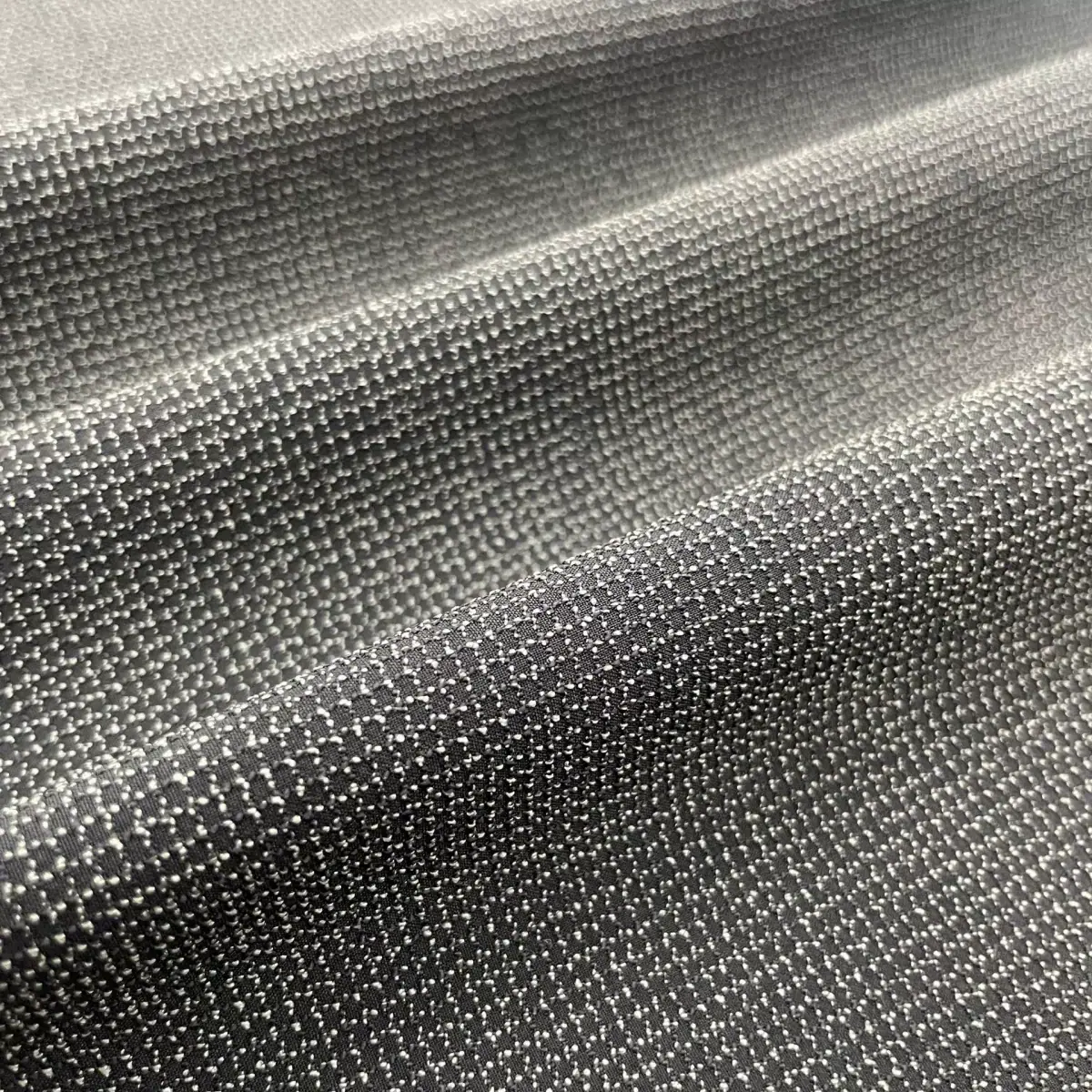
150+40 Cationic Abrasion Resistant Grid Four-Way Stretch Fabric
150+40 Cationic Abrasion Resistant Grid Four-Way Stretch Fabric is organized as a NexTex Lab B2B sourcing product for jackets, windbreakers, pants and travel apparel. The material direction combines a cationic two-tone grid look with four-way stretch comfort and abrasion-resistant outdoor performance. Specifications can be confirmed by color, handfeel, finishing, fabric weight, testing requirements and order quantity.
| Composition | Cationic polyester / spandex stretch blend option |
|---|---|
| Yarn Count | 150+40D direction |
| Density | Project-based woven stretch grid structure |
| Width | Custom width / 57-60 in direction |
| Weight | Project-based gsm option |
| MOQ | Project-based OEM MOQ / supplier reference by color and specification |
Full Technical Fields
| Product Name | 150+40 Cationic Abrasion Resistant Grid Four-Way Stretch Fabric |
|---|---|
| Brand | NexTex Lab |
| Quality Standard | Project-based testing standard |
| Composition | Cationic polyester / spandex stretch blend option |
| SKU / Article No. | NTX-ST-001 |
| Season | Spring / Autumn / All season |
| Weave Type | Stretch woven grid structure |
| Dyeing & Finishing | Piece dyeing / cationic two-tone finishing / water-repellent option |
| Pattern Process | Two-tone cationic grid / solid color option |
| Yarn Count | 150+40D direction |
| Density | Project-based woven stretch grid structure |
| Width | Custom width / 57-60 in direction |
| Weight | Project-based gsm option |
| Coating | No membrane by default / coating option by project |
| Waterproof | Water-repellent finishing option |
| Breathability | Application-based comfort direction |
| Usage | Jackets, windbreakers, outdoor apparel, pants and travel garments |
| MOQ | Project-based OEM MOQ / supplier reference by color and specification |
| Certifications | Project-based testing support, OEKO-TEX support, REACH support |
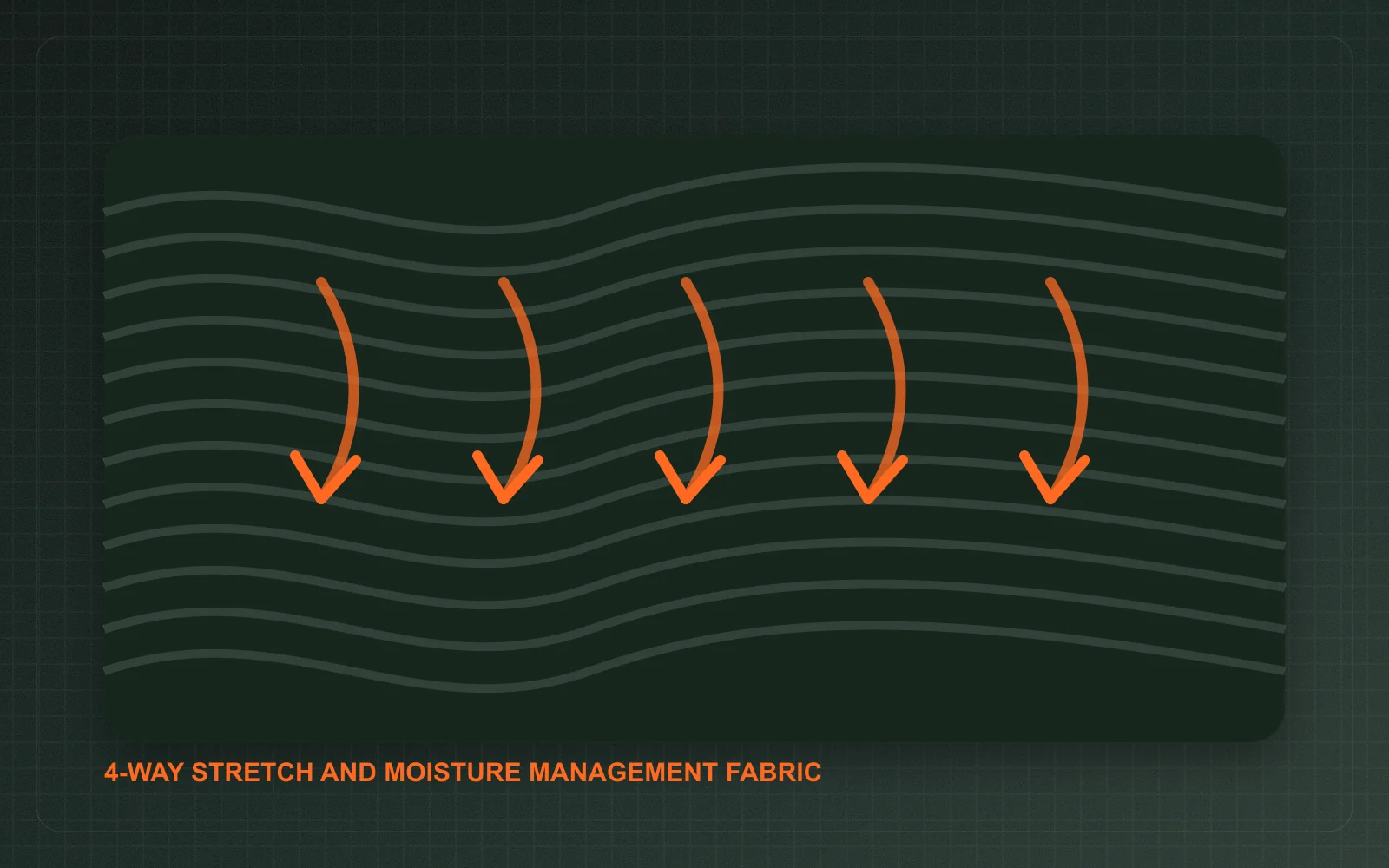
4-Way Stretch Nylon Spandex Activewear Fabric
This activewear fabric platform supports stretch recovery, breathable comfort and moisture-management finishing for performance apparel programs.
| Composition | Nylon / Spandex blend |
|---|---|
| Yarn Count | Custom yarn system |
| Density | Application-based |
| Width | 58/60 in |
| Weight | 160-220 gsm |
| MOQ | 800-1,000 m by color/spec |
Full Technical Fields
| Product Name | 4-Way Stretch Nylon Spandex Activewear Fabric |
|---|---|
| Brand | NexTex Lab |
| Quality Standard | OEKO-TEX / REACH support |
| Composition | Nylon / Spandex blend |
| SKU / Article No. | NTX-ST-NS-180 |
| Season | All season |
| Weave Type | Knit or stretch woven option |
| Dyeing & Finishing | Dyeing + moisture-management finishing |
| Pattern Process | Solid color / custom color |
| Yarn Count | Custom yarn system |
| Density | Application-based |
| Width | 58/60 in |
| Weight | 160-220 gsm |
| Coating | No coating / wicking finish |
| Breathability | Comfort-focused |
| Usage | Activewear, sportswear, yoga wear, travel apparel |
| MOQ | 800-1,000 m by color/spec |
| Certifications | OEKO-TEX support, REACH support |
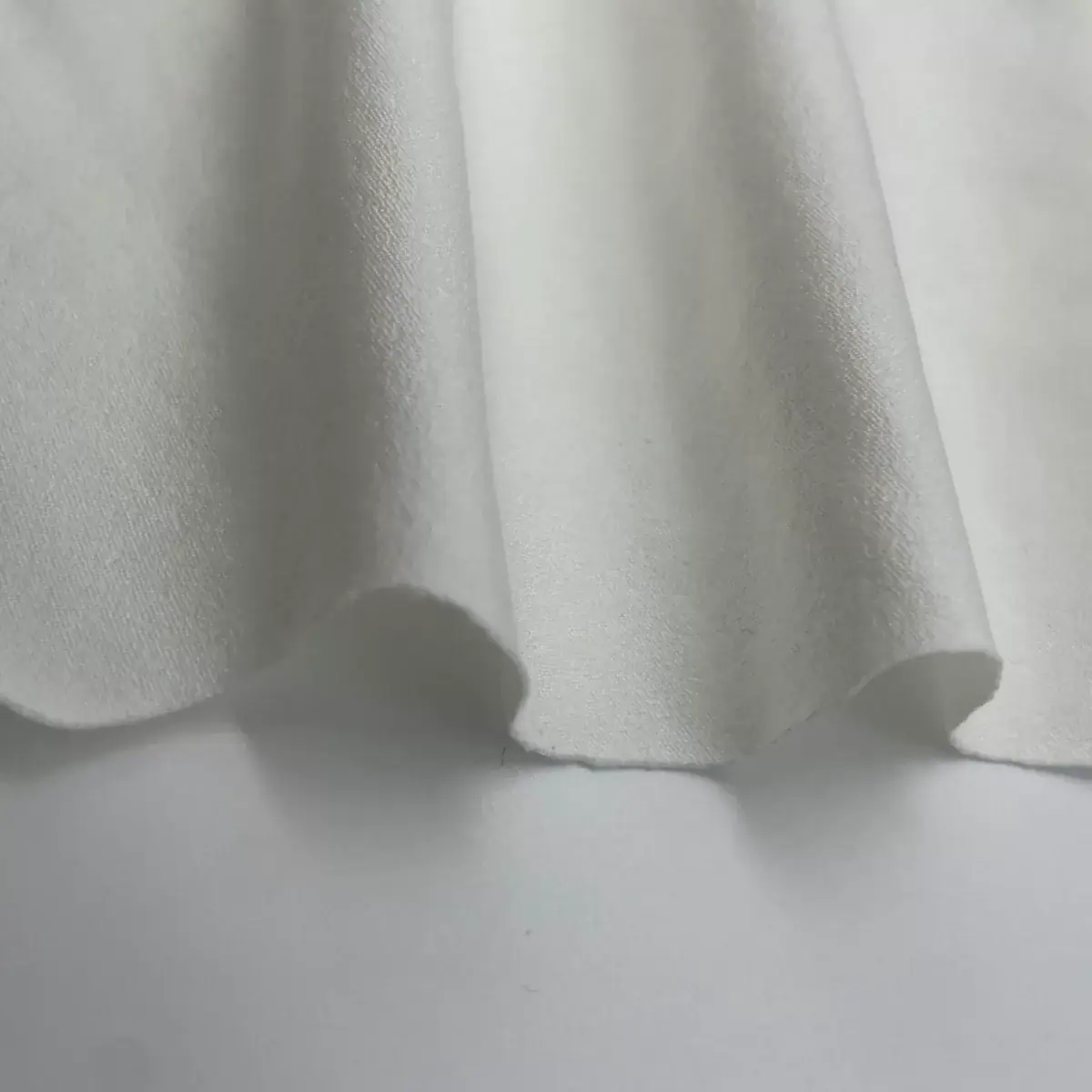
70+40 Thick Satin Polyester Four-Way Stretch Anti-Static Fabric
70+40 Thick Satin Polyester Four-Way Stretch Anti-Static Fabric is organized as a NexTex Lab B2B sourcing product for Dresses, Long Skirts, Performance Fashion, Stage Apparel, Stretch Garments. The product record is standardized from supplier reference imagery and available product title attributes, with custom development support by substrate, coating or lamination structure, color, handfeel, testing requirements and order quantity.
| Composition | Polyester / spandex satin stretch blend option |
|---|---|
| Yarn Count | 70+40D direction |
| Density | High-density satin stretch structure |
| Width | Custom width / 57-60 in direction |
| Weight | Project-based gsm option |
| MOQ | Project-based OEM MOQ / supplier reference by color and specification |
Full Technical Fields
| Product Name | 70+40 Thick Satin Polyester Four-Way Stretch Anti-Static Fabric |
|---|---|
| Brand | NexTex Lab |
| Quality Standard | Project-based testing standard |
| Composition | Polyester / spandex satin stretch blend option |
| SKU / Article No. | NTX-ST-003 |
| Season | All season |
| Weave Type | Satin four-way stretch woven structure |
| Dyeing & Finishing | Piece dyed / anti-static finishing option |
| Pattern Process | Custom color / custom surface option |
| Yarn Count | 70+40D direction |
| Density | High-density satin stretch structure |
| Width | Custom width / 57-60 in direction |
| Weight | Project-based gsm option |
| Coating | No membrane by default |
| Breathability | Application-based comfort direction |
| Usage | Dresses, Long Skirts, Performance Fashion, Stage Apparel, Stretch Garments |
| MOQ | Project-based OEM MOQ / supplier reference by color and specification |
| Certifications | Project-based testing support, OEKO-TEX support, REACH support |