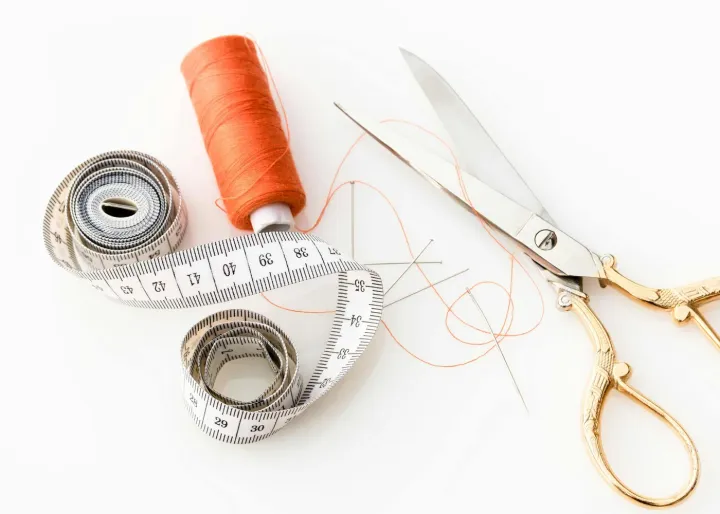
Fabric Macro Detail
Close material inspection helps buyers evaluate weave structure, surface handfeel and performance direction before sampling.
Technology
Textile engineering focused on reducing fabric weight while maintaining durability and application performance.
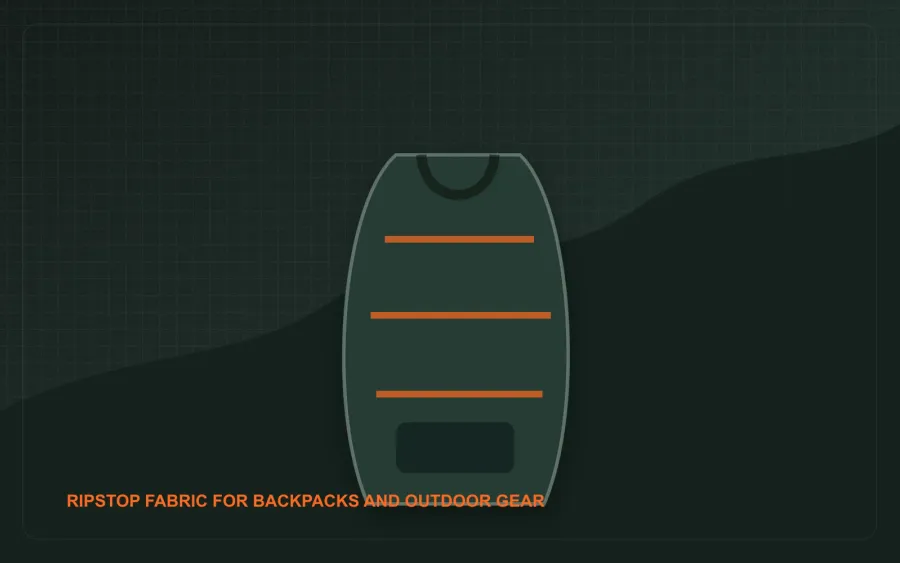
Technology Problem
Lightweight fabric engineering solves the challenge of reducing garment and gear weight without losing durability, tear resistance or weather protection. NexTex Lab evaluates fiber type, denier, weave density, coating weight and lamination structure to build efficient material systems.
Close material inspection helps buyers evaluate weave structure, surface handfeel and performance direction before sampling.
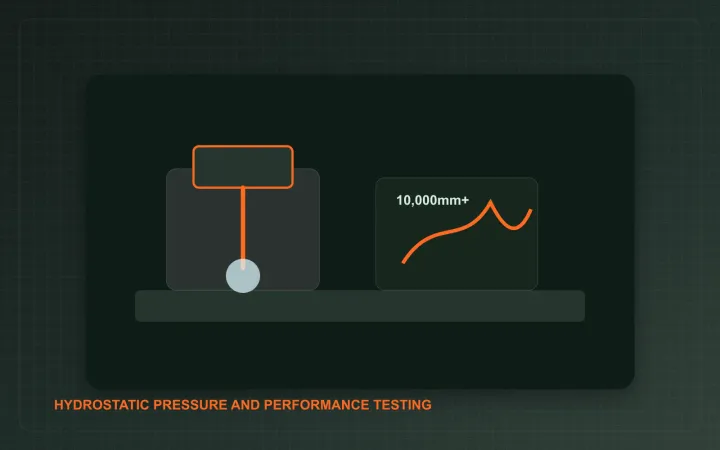
Testing support can include waterproof pressure, abrasion resistance, breathability and quality-control checks.
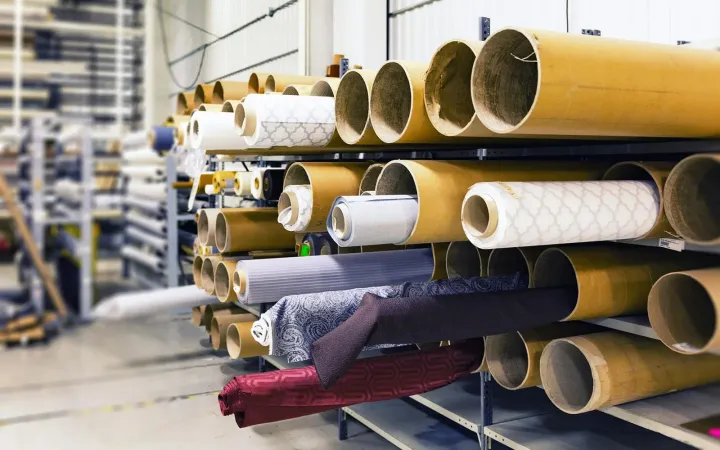
Production planning connects sample approval, fabric inspection, certification needs and export-ready delivery.
Performance Benefits
Applications
Related Materials
Technology
Lightweight performance is balanced through yarn selection, fabric construction, finishing control and testing for tear strength, abrasion resistance and waterproof targets.
Structure
Technical Parameters
| Example construction | Lightweight Ripstop Nylon |
|---|---|
| Weight direction | 120-180gsm custom range |
| Fabric width | 58/60 inch standard option |
| Waterproof target | Application-based |
| Certifications | GRS / OEKO-TEX / REACH support |
Related Blog
Internal Links
Related Technology
FAQ
Lightweight durable fabrics use optimized yarns, ripstop structures, coating control and testing to balance weight and strength.
Lightweight ripstop nylon, thin polyester fabrics and laminated technical materials are commonly used for ultralight outdoor gear.
Start Development
Partner with NexTex Lab to explore advanced textile solutions tailored to your application requirements.