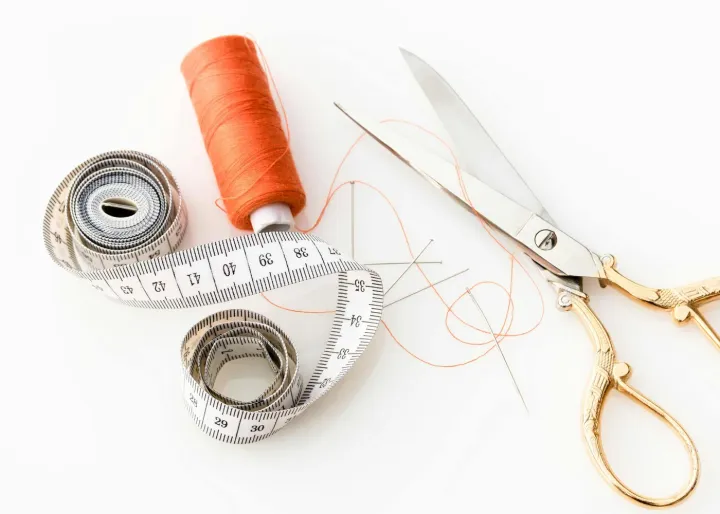
Fabric Macro Detail
Close material inspection helps buyers evaluate weave structure, surface handfeel and performance direction before sampling.
Materials
Advanced TPU membrane systems combining waterproof protection, flexibility and breathable comfort.
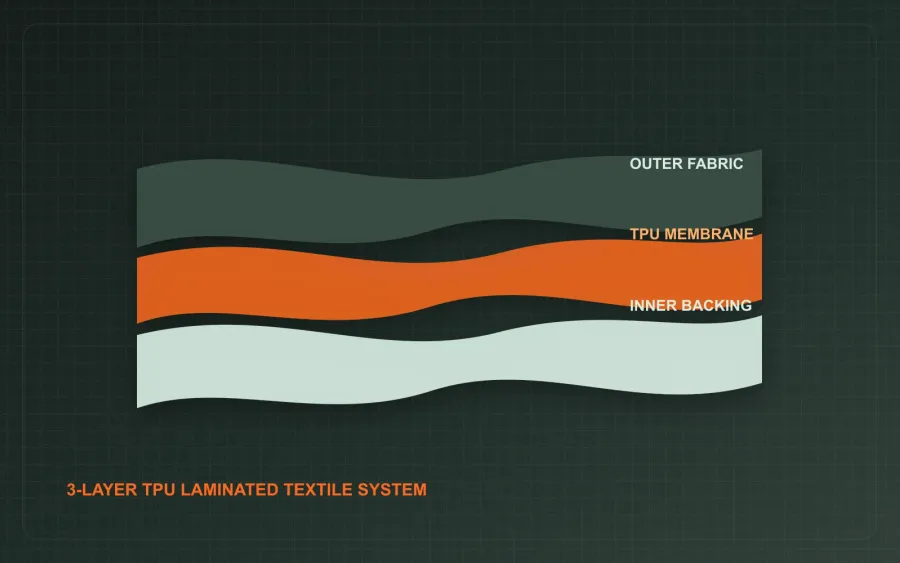
Material Overview
TPU laminated fabric combines thermoplastic polyurethane membrane technology with nylon, polyester or stretch textile structures to improve waterproof performance, flexibility and long-term durability in technical outdoor applications.
Close material inspection helps buyers evaluate weave structure, surface handfeel and performance direction before sampling.
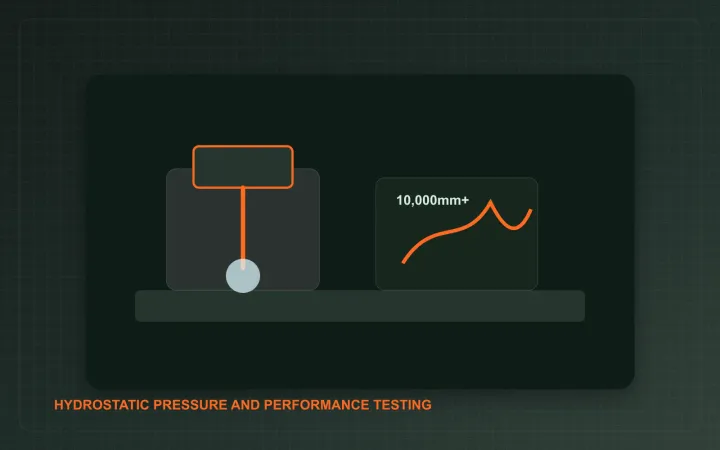
Testing support can include waterproof pressure, abrasion resistance, breathability and quality-control checks.
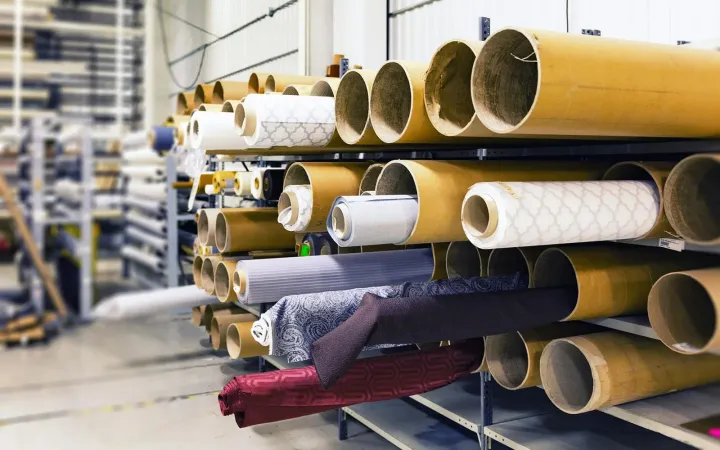
Production planning connects sample approval, fabric inspection, certification needs and export-ready delivery.
Key Features
Applications
Recommended Products
Product Database
Structured product cards help sourcing teams compare material images, specification direction, MOQ and application fit before requesting samples.
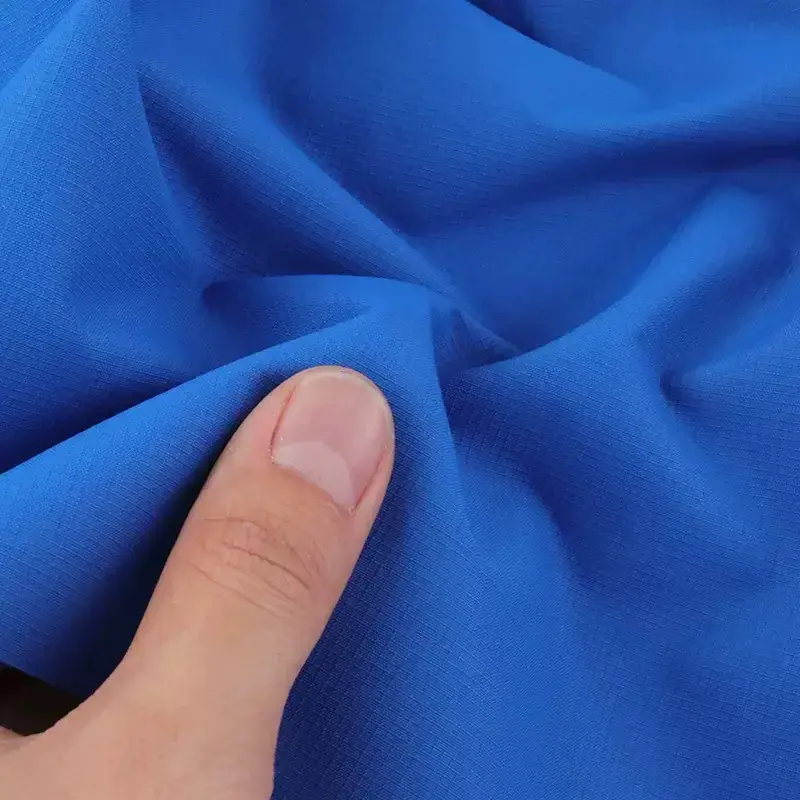
0.1 Laminated Grid Fabric is organized from supplier reference material and engineered as a NexTex Lab B2B sourcing option for Outdoor Jackets, Ski Wear, Pet Outdoor Gear. Specification details can be adjusted by fabric weight, handfeel, coating, lamination structure, color and testing requirements.
| Yarn Count | 0.1 |
|---|
| Product Name | 0.1D Matte Grid TPU Laminated Fabric |
|---|---|
| Brand | NexTex Lab |
| Season | Autumn / Winter |
| Weave Type | Grid woven / ripstop direction |
| Dyeing & Finishing | Lamination + DWR Finishing |
| Pattern Process | Grid / texture color option |
| Yarn Count | 0.1 |
| Usage | Outdoor Jackets, Ski Wear, Pet Outdoor Gear |
| Certifications | SGS testing support, OEKO-TEX support, REACH support |
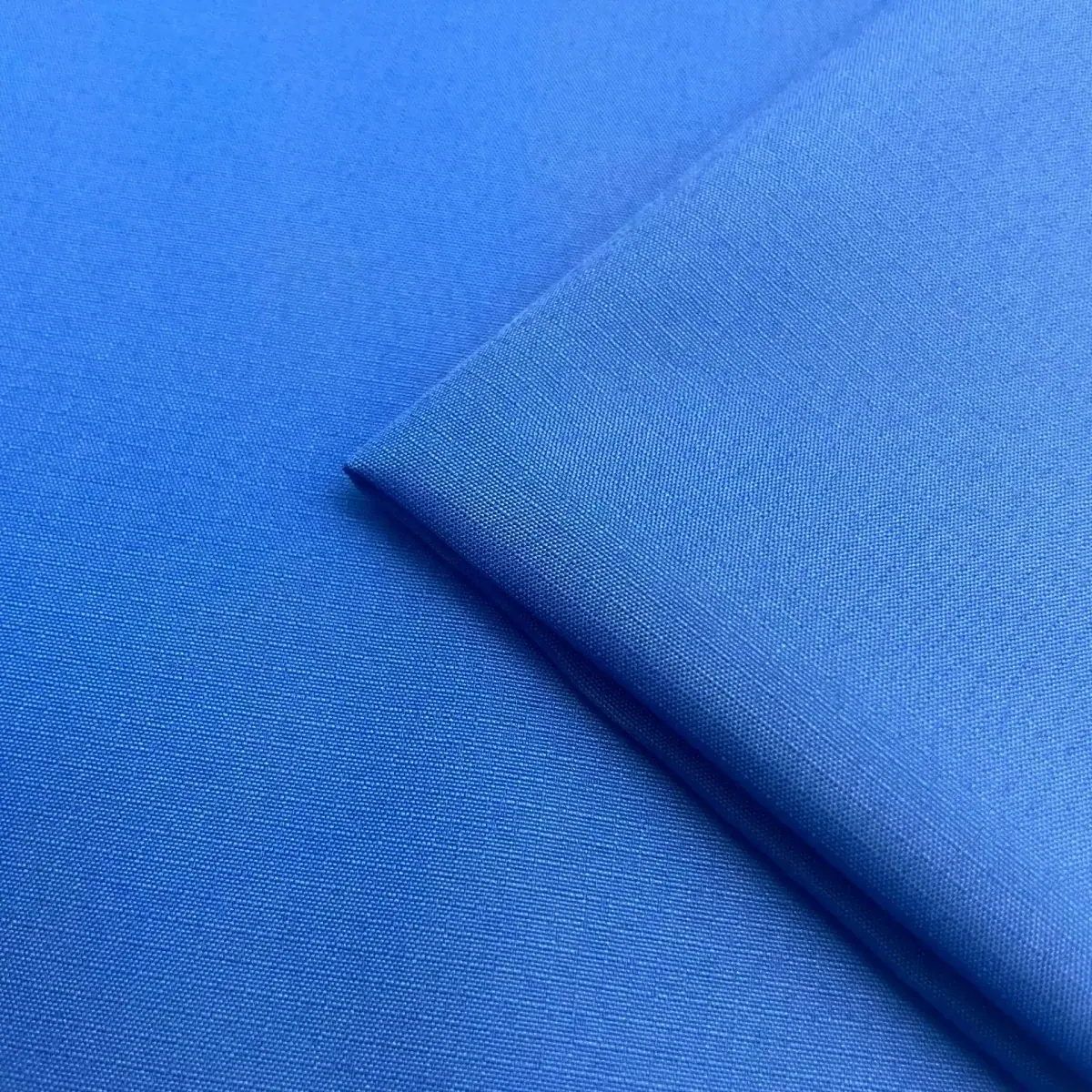
0.2 Grid Polyester Pongee PA Coated Two-Layer Waterproof Shell Fabric is organized as a NexTex Lab B2B sourcing product for school uniforms, outdoor jackets, shell jackets and rainwear. The material direction combines polyester pongee, grid texture, eco PA white coating and two-layer film bonding. Specifications can be confirmed by color, fabric weight, coating structure, waterproof target, testing requirements and order quantity.
| Composition | Polyester pongee with PA coating / film bonding option |
|---|---|
| Yarn Count | Polyester pongee substrate direction |
| Density | 0.2 grid construction direction |
| Width | Custom width / 57-60 in direction |
| Weight | Project-based gsm option |
| MOQ | Project-based OEM MOQ / supplier reference by color and specification |
| Product Name | 0.2 Grid Polyester Pongee PA Coated Two-Layer Waterproof Shell Fabric |
|---|---|
| Brand | NexTex Lab |
| Quality Standard | Project-based testing standard |
| Composition | Polyester pongee with PA coating / film bonding option |
| SKU / Article No. | NTX-WP-001 |
| Season | Spring / Autumn / All season |
| Weave Type | Grid polyester pongee woven structure |
| Dyeing & Finishing | Eco PA white coating + film bonding + water-repellent finishing |
| Pattern Process | 0.2 grid / solid color option |
| Yarn Count | Polyester pongee substrate direction |
| Density | 0.2 grid construction direction |
| Width | Custom width / 57-60 in direction |
| Weight | Project-based gsm option |
| Coating | PA white coating / two-layer film bonding option |
| Waterproof | Waterproof / water-resistant direction |
| Breathability | Breathable option by coating or membrane structure |
| Usage | School uniforms, outdoor jackets, shell jackets, windbreakers and rainwear |
| MOQ | Project-based OEM MOQ / supplier reference by color and specification |
| Certifications | Project-based testing support, OEKO-TEX support, REACH support |
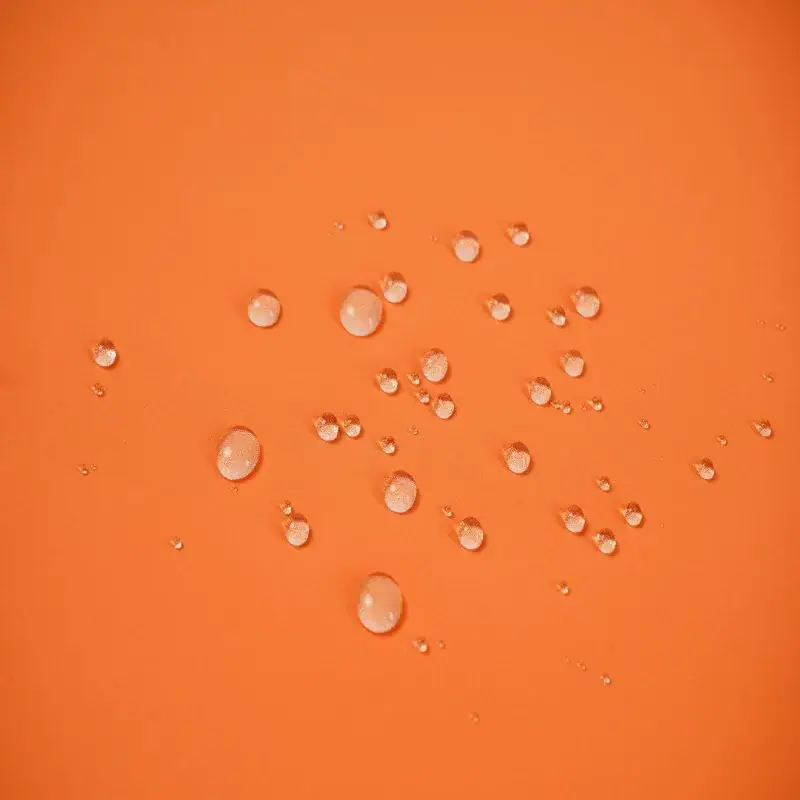
100D Stretch Laminated Fabric is organized as a NexTex Lab B2B sourcing option for outdoor jackets, ski wear and windbreakers. The fabric uses a 100D polyester base with a TPU laminated structure for waterproof protection, wind resistance and breathable outdoor performance. Specification details can be adjusted by fabric weight, handfeel, coating direction, color, testing requirement and order quantity.
| Composition | 100% Polyester |
|---|---|
| Yarn Count | 100D*100D |
| Density | Other |
| Width | 145cm |
| Weight | 150 gsm |
| MOQ | 30 m supplier reference / project-based OEM MOQ |
| Product Name | 100D Stretch Laminated Fabric |
|---|---|
| Brand | NexTex Lab / Motong Textile |
| Quality Standard | China National Standard (GB) |
| Composition | 100% Polyester |
| SKU / Article No. | MT001 |
| Season | Autumn / Winter |
| Weave Type | Plain Weave |
| Dyeing & Finishing | Dyed / Waterproof / Coated |
| Pattern Process | Solid Dyed |
| Yarn Count | 100D*100D |
| Density | Other |
| Width | 145cm |
| Weight | 150 gsm |
| Coating | TPU white membrane / laminated option |
| Waterproof | Project-based waterproof target |
| Breathability | Breathable / moisture-vapor option |
| Usage | Down Jackets, Suits, Shell Jackets, Jackets |
| MOQ | 30 m supplier reference / project-based OEM MOQ |
| Certifications | SGS testing support, OEKO-TEX support, REACH support |
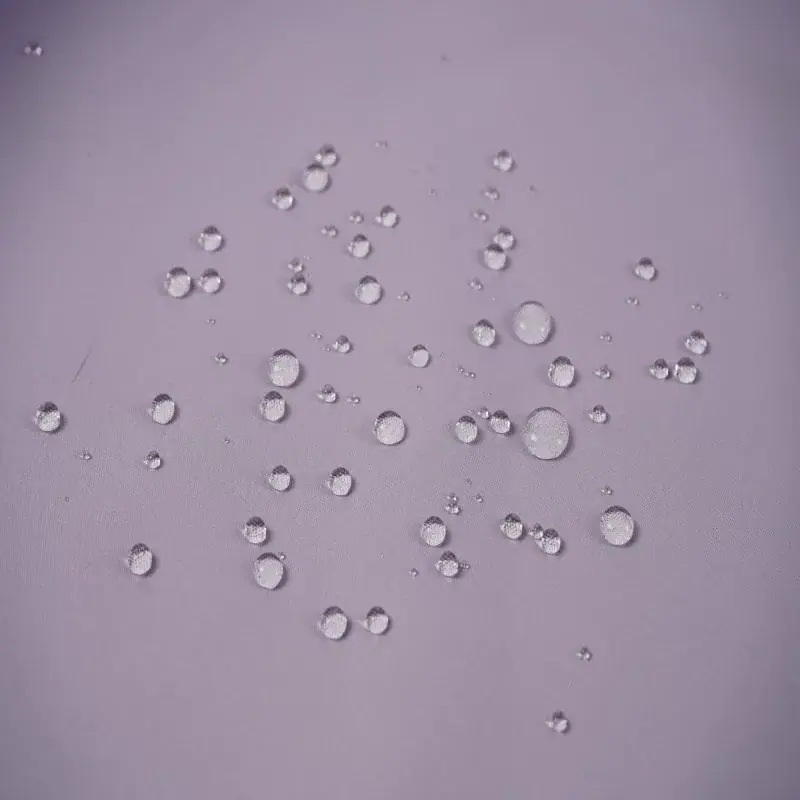
150D Laminated Three-Proof Hardshell Fabric is organized from supplier reference material and engineered as a NexTex Lab B2B sourcing option for Outdoor Jackets, Down Jackets. Specification details can be adjusted by fabric weight, handfeel, coating, lamination structure, color and testing requirements.
| Yarn Count | 150D |
|---|
| Product Name | 150D Laminated Three-Proof Hardshell Fabric |
|---|---|
| Brand | NexTex Lab |
| Season | Autumn / Winter |
| Weave Type | Technical woven fabric |
| Dyeing & Finishing | Three-Proof Treatment + Lamination + DWR Finishing |
| Yarn Count | 150D |
| Usage | Outdoor Jackets, Down Jackets |
| Certifications | SGS testing support, OEKO-TEX support, REACH support |
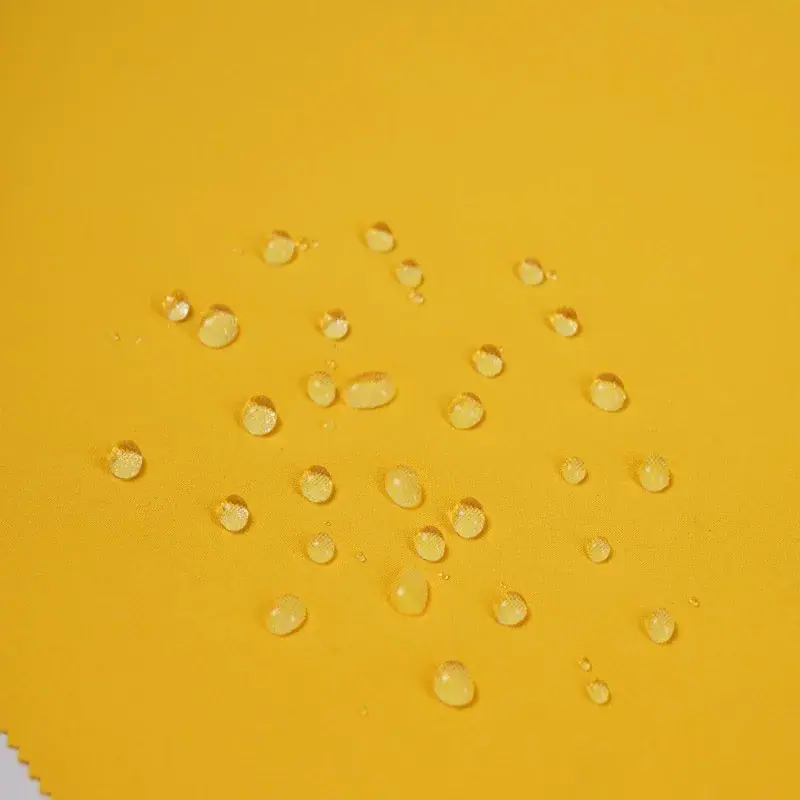
150D Stretch Taslan Laminated Three-Proof Fabric is organized from supplier reference material and engineered as a NexTex Lab B2B sourcing option for Outdoor Jackets. Specification details can be adjusted by fabric weight, handfeel, coating, lamination structure, color and testing requirements.
| Yarn Count | 150D |
|---|
| Product Name | 150D Stretch Taslan Laminated Three-Proof Fabric |
|---|---|
| Brand | NexTex Lab |
| Weave Type | Taslan woven structure |
| Dyeing & Finishing | Three-Proof Treatment + Lamination + DWR Finishing |
| Yarn Count | 150D |
| Usage | Outdoor Jackets |
| Certifications | SGS testing support, OEKO-TEX support, REACH support |
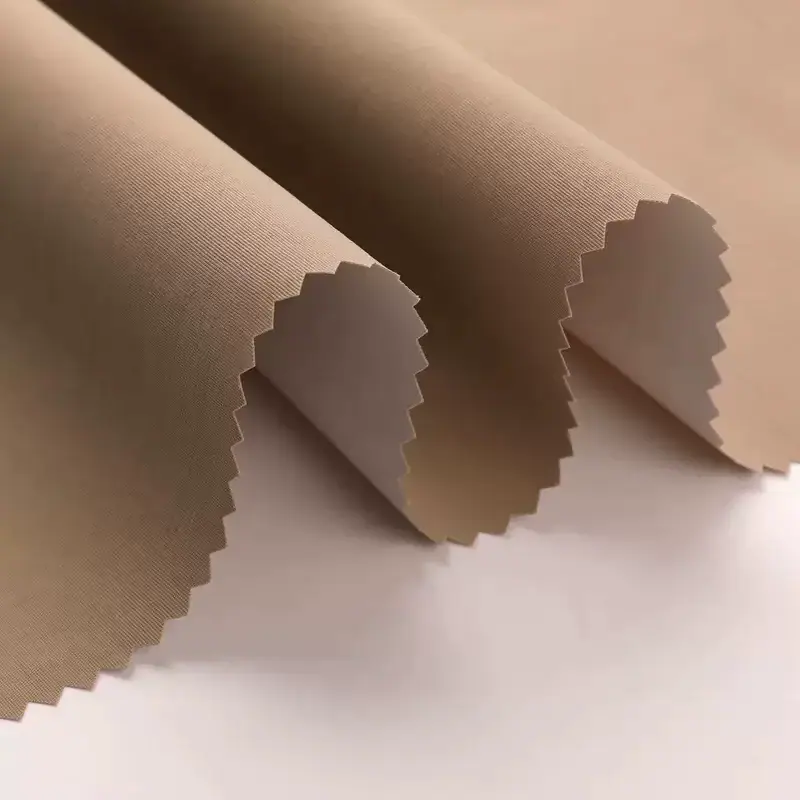
280T Taslan Laminated Fabric is organized from supplier reference material and engineered as a NexTex Lab B2B sourcing option for Outdoor Jackets, Ski Wear. Specification details can be adjusted by fabric weight, handfeel, coating, lamination structure, color and testing requirements.
| Composition | 100% Nylon |
|---|---|
| Yarn Count | 70*160 |
| Density | Other |
| Width | 145cm |
| Weight | 120-180 gsm direction |
| MOQ | 10 m supplier reference / project-based OEM MOQ |
| Product Name | 280T Taslan Laminated Fabric |
|---|---|
| Brand | NexTex Lab / Suzhou Motong Textile |
| Quality Standard | China National Standard (GB) |
| Composition | 100% Nylon |
| SKU / Article No. | MT0021 |
| Season | Autumn / Winter |
| Weave Type | Plain Weave |
| Dyeing & Finishing | Water-Repellent Finish |
| Pattern Process | Solid Dyed |
| Yarn Count | 70*160 |
| Density | Other |
| Width | 145cm |
| Weight | 120-180 gsm direction |
| Coating | TPU white membrane / laminated option |
| Waterproof | 10,000 mm / 6,000 g direction |
| Breathability | 6,000 g/m2/24h direction |
| Usage | Hiking Jackets, Ski Wear, Jackets, Padded Jackets |
| MOQ | 10 m supplier reference / project-based OEM MOQ |
| Certifications | SGS testing support, OEKO-TEX support, REACH support |
Technology
TPU lamination bonds a flexible membrane to textile substrates, creating waterproof protection while preserving a softer handfeel and stronger durability than many basic coating routes.
Structure
Technical Parameters
| Example construction | TPU Ripstop Nylon |
|---|---|
| Weight direction | 120-180gsm custom range |
| Fabric width | 58/60 inch standard option |
| Waterproof target | 10,000mm+ available |
| Certifications | GRS / OEKO-TEX / REACH support |
Related Blog
Internal Links
Related Materials
FAQ
TPU laminated fabrics are popular because they combine waterproof protection, flexibility, lightweight construction and strong abrasion resistance. They are commonly used in outdoor apparel, ski wear, tactical equipment and performance gear requiring long-term weather protection.
Many TPU membrane systems are engineered to release moisture vapor while maintaining waterproof protection. This makes TPU lamination technology valuable for active outdoor products where comfort and weather resistance must work together.
TPU laminated fabrics are widely used in hiking jackets, waterproof backpacks, ski wear, outdoor equipment and professional sportswear. They are often paired with ripstop fabrics or nylon substrates for durable technical applications.
Compared with traditional PVC systems, TPU is often considered a cleaner and more durable option for technical textiles. It can support longer product life, flexible construction and modern sustainable material development strategies.
TPU systems usually provide better flexibility, cold-weather performance, abrasion resistance and long-term outdoor reliability than many basic coating systems. For premium waterproof products, brands often compare TPU with PU in TPU vs PU coating decisions.
Start Development
Partner with NexTex Lab to explore advanced textile solutions tailored to your application requirements.