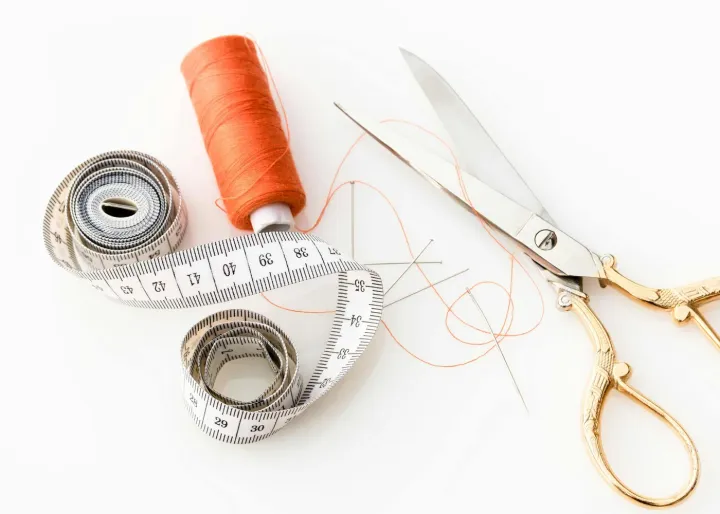
Fabric Macro Detail
Close material inspection helps buyers evaluate weave structure, surface handfeel and performance direction before sampling.
Technology
Specialized weaving structures developed to improve tear resistance and long-term durability.
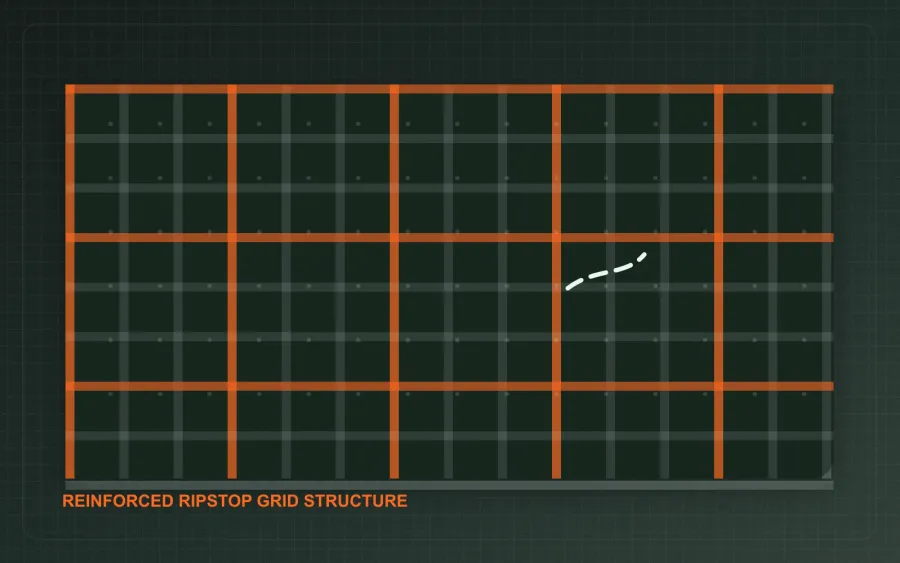
Technology Problem
Ripstop weaving technology solves tear propagation by integrating reinforced yarn grids into lightweight textile structures. This engineering approach supports outdoor apparel, backpacks, tactical equipment and travel gear where durability matters.
Close material inspection helps buyers evaluate weave structure, surface handfeel and performance direction before sampling.
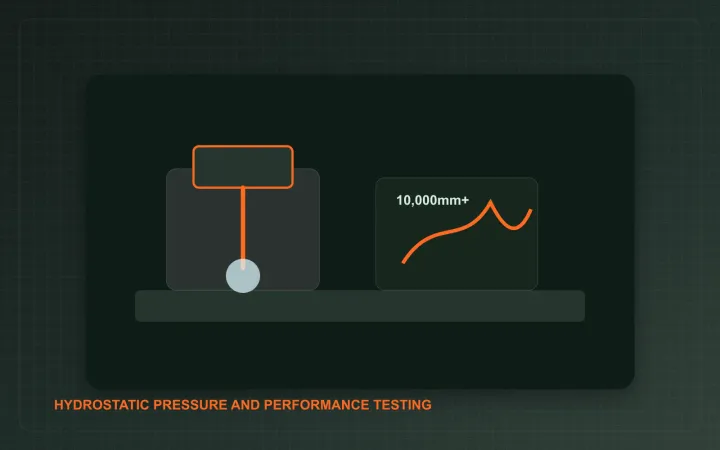
Testing support can include waterproof pressure, abrasion resistance, breathability and quality-control checks.
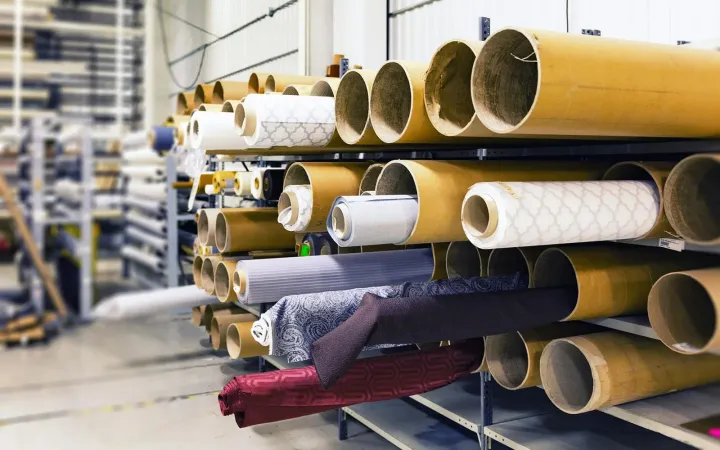
Production planning connects sample approval, fabric inspection, certification needs and export-ready delivery.
Performance Benefits
Applications
Related Materials
Product Database
Structured product cards help sourcing teams compare material images, specification direction, MOQ and application fit before requesting samples.
This ripstop nylon fabric is built for gear applications requiring tear resistance, abrasion durability and optional waterproof coating performance.
| Composition | 100% Nylon |
|---|---|
| Yarn Count | 210D x 210D |
| Density | Custom density by application |
| Width | 58/60 in |
| Weight | 135-165 gsm |
| MOQ | 1,000 m by color/spec |
| Product Name | 210D Ripstop Nylon Fabric For Backpacks |
|---|---|
| Brand | NexTex Lab |
| Quality Standard | GB / SGS testing support |
| Composition | 100% Nylon |
| SKU / Article No. | NTX-RS-210D |
| Season | All season |
| Weave Type | Ripstop woven |
| Dyeing & Finishing | Dyeing + PU/TPU coating option |
| Pattern Process | Grid ripstop / solid color |
| Yarn Count | 210D x 210D |
| Density | Custom density by application |
| Width | 58/60 in |
| Weight | 135-165 gsm |
| Coating | PU / TPU / DWR option |
| Waterproof | 3,000-10,000 mm option |
| Breathability | Not primary target |
| Usage | Backpacks, tactical bags, outdoor equipment |
| MOQ | 1,000 m by color/spec |
| Certifications | SGS testing support, REACH support |
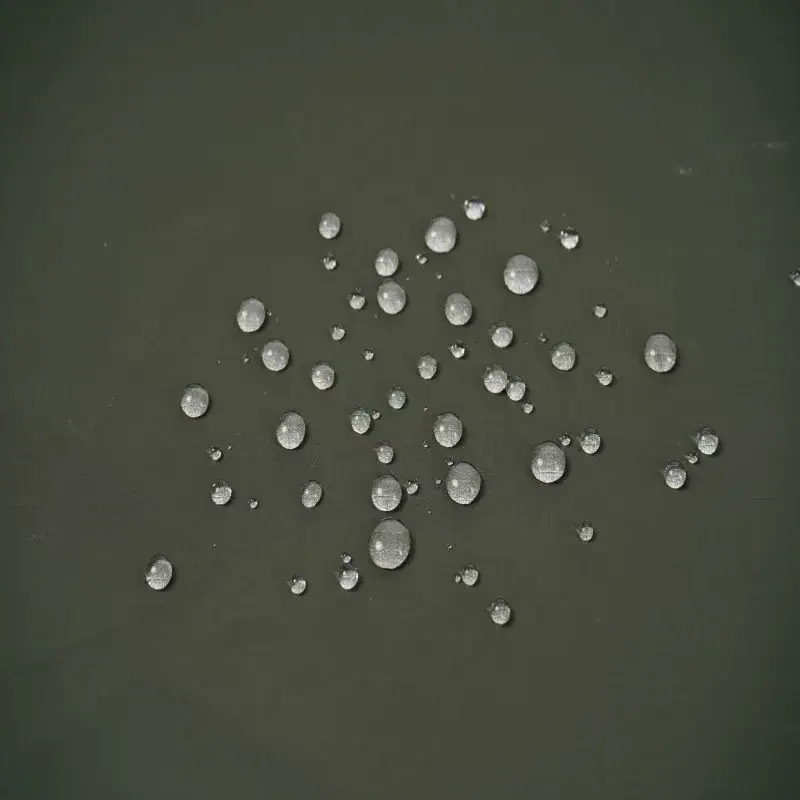
Grid Fabric is organized from supplier reference material and engineered as a NexTex Lab B2B sourcing option for Outdoor Jackets, Workwear, Activewear. Specification details can be adjusted by fabric weight, handfeel, coating, lamination structure, color and testing requirements.
| Yarn Count | Custom yarn system |
|---|
| Product Name | Polyester Grid Water-Repellent Outdoor Fabric |
|---|---|
| Brand | NexTex Lab |
| Weave Type | Grid woven / ripstop direction |
| Dyeing & Finishing | DWR Finishing |
| Pattern Process | Grid / texture color option |
| Yarn Count | Custom yarn system |
| Usage | Outdoor Jackets, Workwear, Activewear |
| Certifications | SGS testing support, OEKO-TEX support, REACH support |
Technology
Ripstop performance is evaluated through yarn strength, grid spacing, weave density, tear resistance and abrasion behavior in the intended application.
Structure
Technical Parameters
| Example construction | Ripstop Nylon Fabrics |
|---|---|
| Weight direction | 120-180gsm custom range |
| Fabric width | 58/60 inch standard option |
| Waterproof target | Application-based |
| Certifications | GRS / OEKO-TEX / REACH support |
Related Blog
Internal Links
Related Technology
FAQ
Ripstop weaving uses reinforced yarn structures designed to limit tear spread across the fabric surface. This makes ripstop technology valuable for lightweight outdoor products that still need stronger durability.
Ripstop systems improve tear resistance while keeping fabric weight controlled, which is useful for outdoor and tactical applications. Brands often use ripstop structures in ripstop fabrics, backpacks, jackets and technical equipment.
Yes. The core purpose of ripstop design is to improve strength without significantly increasing fabric weight. This balance is important for hiking gear, travel equipment and performance apparel where mobility matters.
Ripstop structures are widely used in backpacks, outdoor jackets, tactical gear, tents and technical equipment. They are especially valuable when products face friction, carrying loads or rough outdoor conditions.
Yes. Ripstop fabrics are frequently combined with waterproof membrane systems, TPU lamination and technical coatings. This creates materials that support both tear resistance and weather protection for outdoor applications.
Start Development
Partner with NexTex Lab to explore advanced textile solutions tailored to your application requirements.