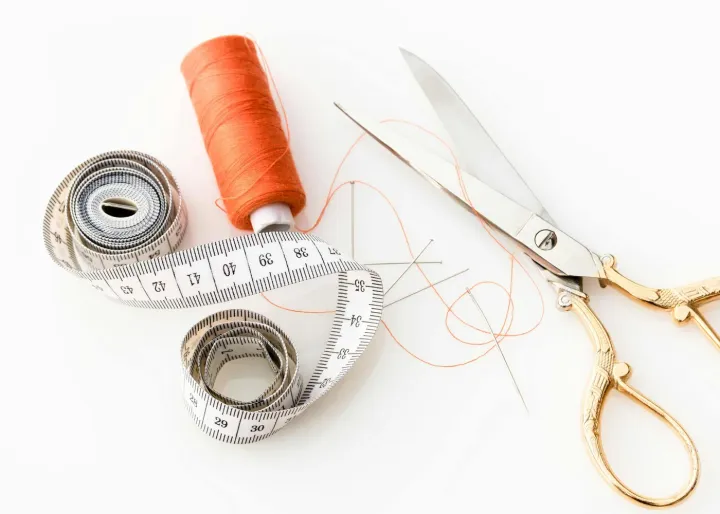
Fabric Macro Detail
Close material inspection helps buyers evaluate weave structure, surface handfeel and performance direction before sampling.
Technology
Eco-conscious material innovation supporting recycled and environmentally responsible textile solutions.
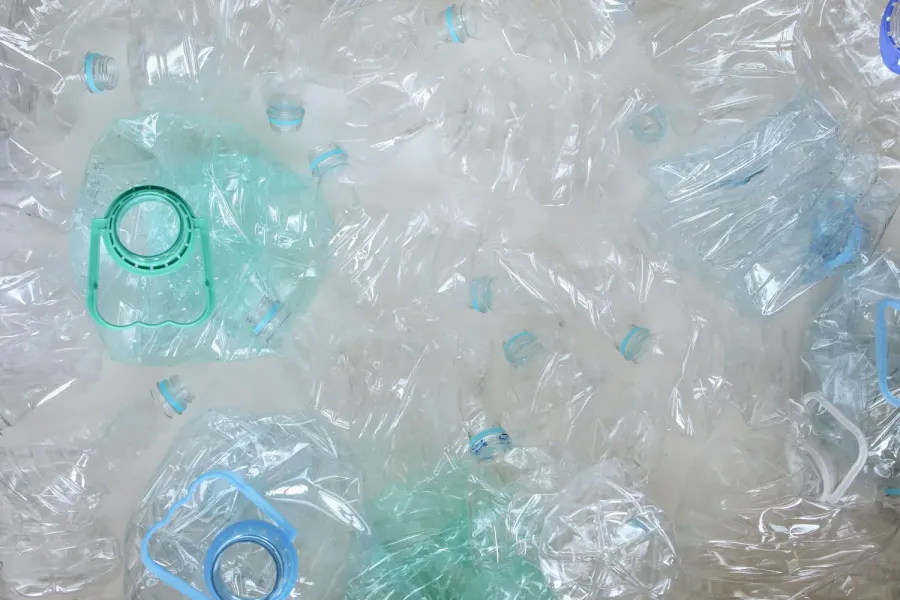
Technology Problem
Sustainable textile technology helps brands reduce resource impact while preserving durability and performance. NexTex Lab supports recycled polyester, eco nylon, traceability-focused development and certification-oriented material programs.
Close material inspection helps buyers evaluate weave structure, surface handfeel and performance direction before sampling.
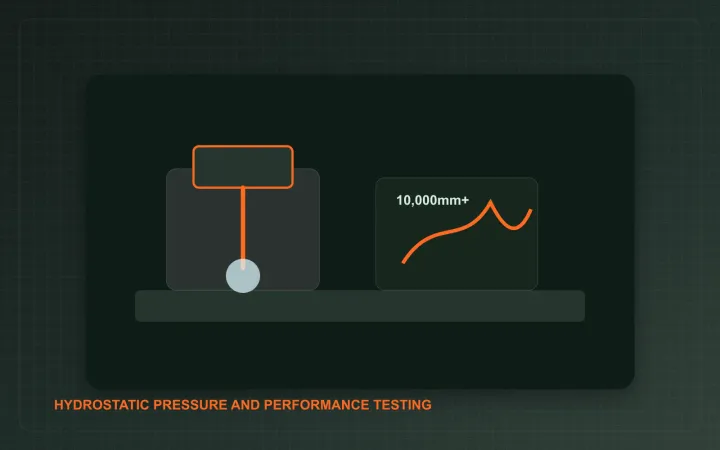
Testing support can include waterproof pressure, abrasion resistance, breathability and quality-control checks.
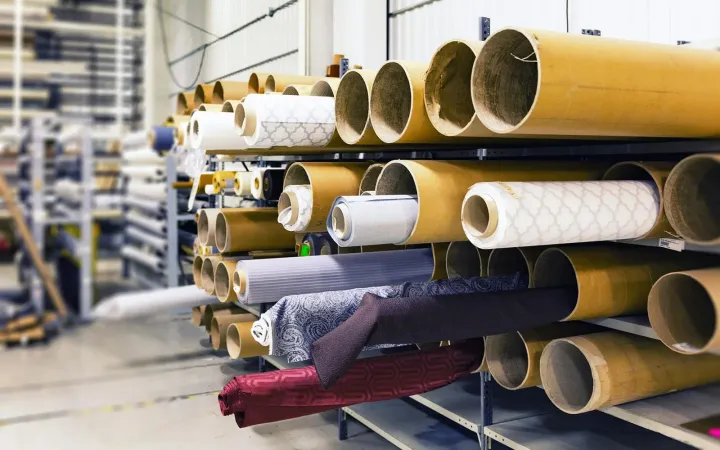
Production planning connects sample approval, fabric inspection, certification needs and export-ready delivery.
Performance Benefits
Applications
Related Materials
Product Database
Structured product cards help sourcing teams compare material images, specification direction, MOQ and application fit before requesting samples.

100gsm Recycled Polyester Stretch Knit Fabric is a standardized recycled performance fabric product for Activewear, Yoga Wear, Sportswear, Outdoor Activewear, Performance Lining.
| Composition | Recycled polyester blend with spandex option |
|---|---|
| Yarn Count | Custom recycled yarn system |
| Density | Custom by construction |
| Width | 58/60 in direction |
| Weight | 100gsm |
| MOQ | Project-based OEM MOQ / supplier reference by color and specification |
| Product Name | 100gsm Recycled Polyester Stretch Knit Fabric |
|---|---|
| Brand | NexTex Lab |
| Quality Standard | Project-based testing standard |
| Composition | Recycled polyester blend with spandex option |
| SKU / Article No. | NTX-RCY-001 |
| Season | All season |
| Weave Type | Knitted stretch structure |
| Dyeing & Finishing | Piece dyed / custom color option + Low-impact recycled textile direction |
| Pattern Process | Solid color / custom color option |
| Yarn Count | Custom recycled yarn system |
| Density | Custom by construction |
| Width | 58/60 in direction |
| Weight | 100gsm |
| Breathability | Breathable / moisture-management direction |
| Usage | Activewear, Yoga Wear, Sportswear, Outdoor Activewear, Performance Lining |
| MOQ | Project-based OEM MOQ / supplier reference by color and specification |
| Certifications | Recycled content documentation support, OEKO-TEX support, REACH support |
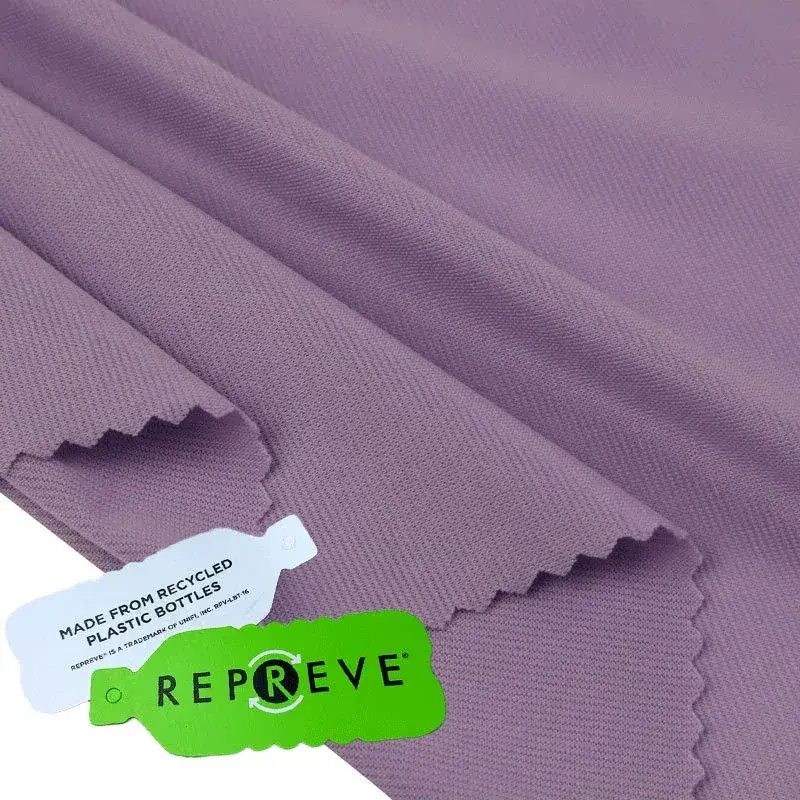
100gsm Recycled Polyester Stretch Knit Fabric is a standardized recycled performance fabric product for Activewear, Yoga Wear, Sportswear, Performance Lining.
| Composition | Recycled polyester blend with spandex option |
|---|---|
| Yarn Count | 40D |
| Density | Custom by construction |
| Width | 58/60 in direction |
| Weight | 100gsm |
| MOQ | Project-based OEM MOQ / supplier reference by color and specification |
| Product Name | 100gsm Recycled Polyester Stretch Knit Fabric |
|---|---|
| Brand | NexTex Lab |
| Quality Standard | Project-based testing standard |
| Composition | Recycled polyester blend with spandex option |
| SKU / Article No. | NTX-RCY-002 |
| Season | All season |
| Weave Type | Knitted stretch structure |
| Dyeing & Finishing | Piece dyed / custom color option + Low-impact recycled textile direction |
| Pattern Process | Solid color / custom color option |
| Yarn Count | 40D |
| Density | Custom by construction |
| Width | 58/60 in direction |
| Weight | 100gsm |
| Breathability | Breathable / moisture-management direction |
| Usage | Activewear, Yoga Wear, Sportswear, Performance Lining |
| MOQ | Project-based OEM MOQ / supplier reference by color and specification |
| Certifications | Recycled content documentation support, OEKO-TEX support, REACH support |
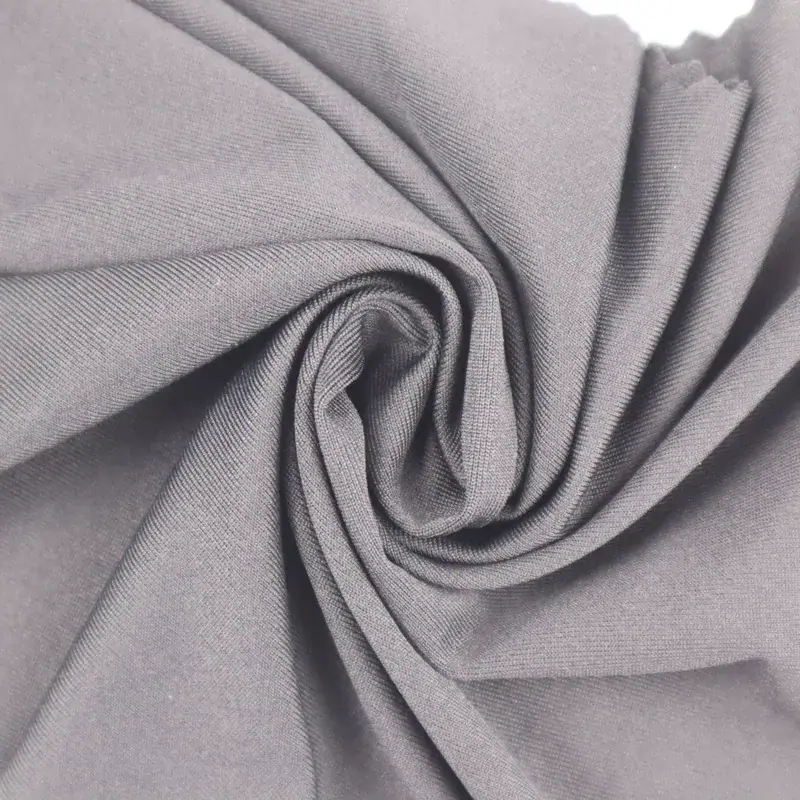
120gsm Recycled Polyester Stretch Knit Fabric is a standardized recycled performance fabric product for Swimwear, Activewear, Yoga Wear, Sportswear, Performance Lining.
| Composition | Recycled polyester blend with spandex option |
|---|---|
| Yarn Count | Custom recycled yarn system |
| Density | Custom by construction |
| Width | 58/60 in direction |
| Weight | 120gsm |
| MOQ | Project-based OEM MOQ / supplier reference by color and specification |
| Product Name | 120gsm Recycled Polyester Stretch Knit Fabric |
|---|---|
| Brand | NexTex Lab |
| Quality Standard | GRS / OEKO-TEX / REACH support |
| Composition | Recycled polyester blend with spandex option |
| SKU / Article No. | NTX-RCY-003 |
| Season | All season |
| Weave Type | Knitted stretch structure |
| Dyeing & Finishing | Piece dyed / custom color option + Low-impact recycled textile direction |
| Pattern Process | Solid color / custom color option |
| Yarn Count | Custom recycled yarn system |
| Density | Custom by construction |
| Width | 58/60 in direction |
| Weight | 120gsm |
| Breathability | Breathable / moisture-management direction |
| Usage | Swimwear, Activewear, Yoga Wear, Sportswear, Performance Lining |
| MOQ | Project-based OEM MOQ / supplier reference by color and specification |
| Certifications | GRS option, OEKO-TEX support, REACH support |
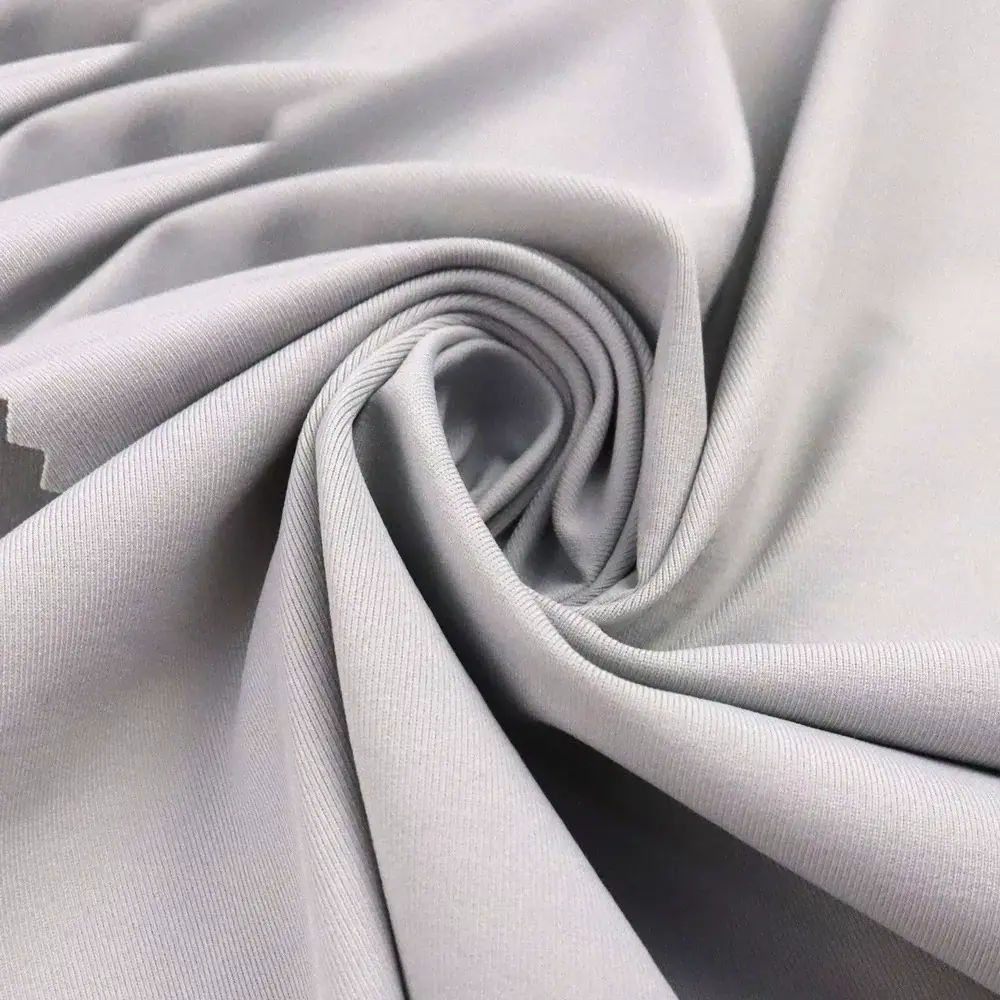
150gsm Recycled Nylon Stretch Knit Fabric is a standardized recycled performance fabric product for Swimwear, Activewear, Yoga Wear, Sportswear.
| Composition | Recycled nylon blend with spandex option |
|---|---|
| Yarn Count | 40D |
| Density | Custom by construction |
| Width | 58/60 in direction |
| Weight | 150gsm |
| MOQ | Project-based OEM MOQ / supplier reference by color and specification |
| Product Name | 150gsm Recycled Nylon Stretch Knit Fabric |
|---|---|
| Brand | NexTex Lab |
| Quality Standard | Project-based testing standard |
| Composition | Recycled nylon blend with spandex option |
| SKU / Article No. | NTX-RCY-004 |
| Season | All season |
| Weave Type | Knitted stretch structure |
| Dyeing & Finishing | Piece dyed / custom color option + Low-impact recycled textile direction |
| Pattern Process | Solid color / custom color option |
| Yarn Count | 40D |
| Density | Custom by construction |
| Width | 58/60 in direction |
| Weight | 150gsm |
| Breathability | Breathable / moisture-management direction |
| Usage | Swimwear, Activewear, Yoga Wear, Sportswear |
| MOQ | Project-based OEM MOQ / supplier reference by color and specification |
| Certifications | Recycled content documentation support, OEKO-TEX support, REACH support |
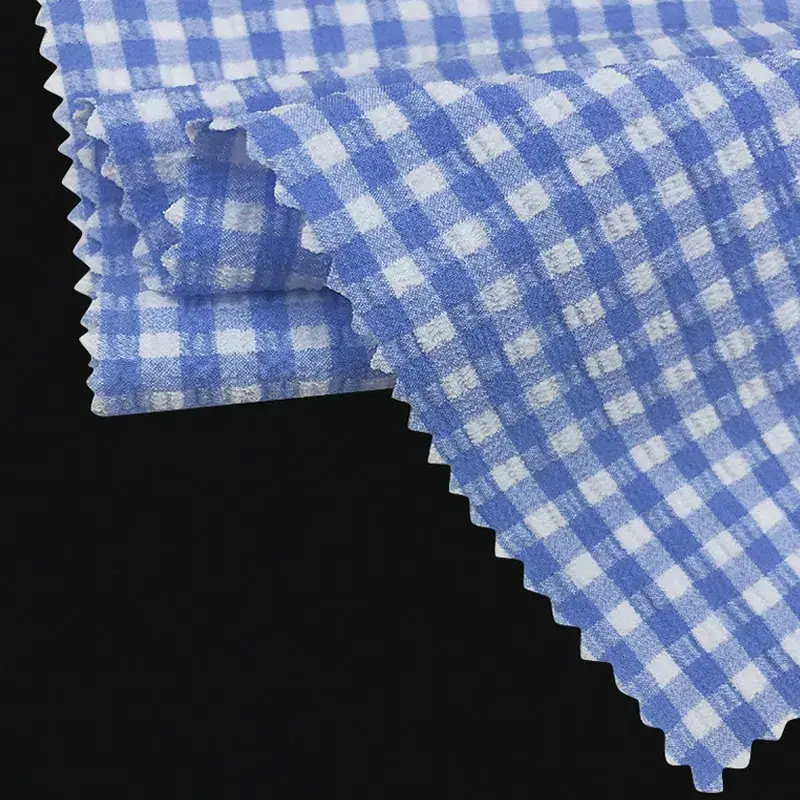
160gsm Recycled Nylon Printed Knit Fabric is a standardized recycled performance fabric product for Activewear, Yoga Wear, Sportswear.
| Composition | Recycled nylon blend |
|---|---|
| Yarn Count | Custom recycled yarn system |
| Density | Custom by construction |
| Width | 58/60 in direction |
| Weight | 160gsm |
| MOQ | Project-based OEM MOQ / supplier reference by color and specification |
| Product Name | 160gsm Recycled Nylon Printed Knit Fabric |
|---|---|
| Brand | NexTex Lab |
| Quality Standard | Project-based testing standard |
| Composition | Recycled nylon blend |
| SKU / Article No. | NTX-RCY-005 |
| Season | All season |
| Weave Type | Knitted stretch structure |
| Dyeing & Finishing | Digital print / custom print option + Low-impact recycled textile direction |
| Pattern Process | Printed / custom artwork option |
| Yarn Count | Custom recycled yarn system |
| Density | Custom by construction |
| Width | 58/60 in direction |
| Weight | 160gsm |
| Breathability | Application-based |
| Usage | Activewear, Yoga Wear, Sportswear |
| MOQ | Project-based OEM MOQ / supplier reference by color and specification |
| Certifications | Recycled content documentation support, OEKO-TEX support, REACH support |
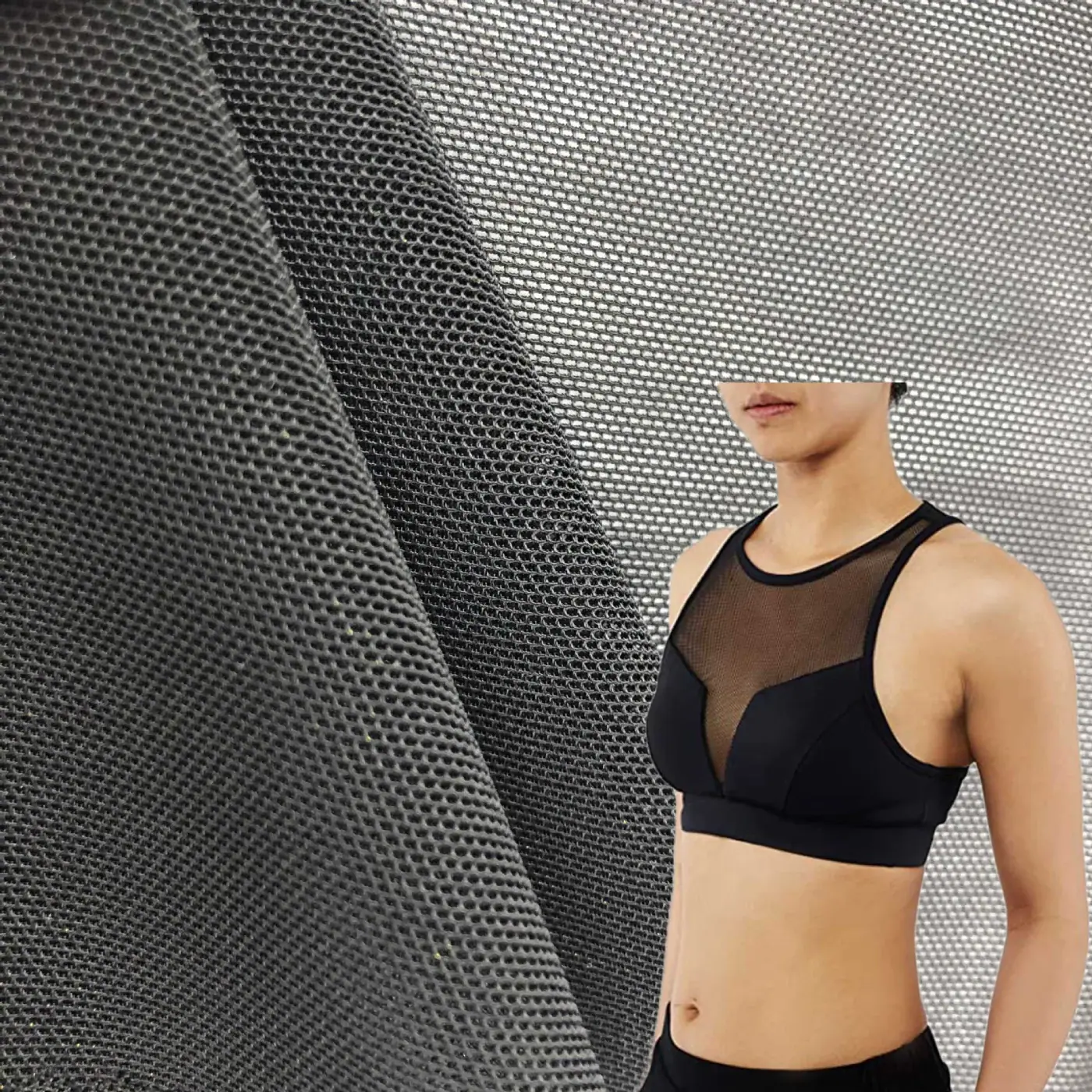
180gsm Recycled Polyester Stretch Mesh Knit Fabric is a standardized recycled performance fabric product for Swimwear, Activewear, Yoga Wear, Sportswear, Performance Lining.
| Composition | Recycled polyester blend with spandex option |
|---|---|
| Yarn Count | Custom recycled yarn system |
| Density | Custom by construction |
| Width | 58/60 in direction |
| Weight | 180gsm |
| MOQ | Project-based OEM MOQ / supplier reference by color and specification |
| Product Name | 180gsm Recycled Polyester Stretch Mesh Knit Fabric |
|---|---|
| Brand | NexTex Lab |
| Quality Standard | Project-based testing standard |
| Composition | Recycled polyester blend with spandex option |
| SKU / Article No. | NTX-RCY-006 |
| Season | All season |
| Weave Type | Knitted mesh structure |
| Dyeing & Finishing | Piece dyed / custom color option + Moisture-management finish + Low-impact recycled textile direction |
| Pattern Process | Solid color / custom color option |
| Yarn Count | Custom recycled yarn system |
| Density | Custom by construction |
| Width | 58/60 in direction |
| Weight | 180gsm |
| Breathability | Breathable / moisture-management direction |
| Usage | Swimwear, Activewear, Yoga Wear, Sportswear, Performance Lining |
| MOQ | Project-based OEM MOQ / supplier reference by color and specification |
| Certifications | Recycled content documentation support, OEKO-TEX support, REACH support |
Technology
Sustainable material engineering combines recycled feedstock, traceability documentation, responsible finishing choices and performance testing so eco-oriented materials still meet commercial requirements.
Structure
Technical Parameters
| Example construction | Recycled Polyester Fabric |
|---|---|
| Weight direction | 120-180gsm custom range |
| Fabric width | 58/60 inch standard option |
| Waterproof target | Application-based |
| Certifications | GRS / OEKO-TEX / REACH support |
Related Blog
Internal Links
Related Technology
FAQ
Recycled technical fabrics are usually made from recovered polymer materials that are processed into textile-grade fibers. These fibers can become sustainable fabrics for outdoor apparel, activewear and technical textile applications.
Brands are investing in sustainable textile technology because of environmental regulation, consumer expectations and supply chain transparency requirements. Recycled materials, lower-impact processing and verified sourcing are becoming important parts of global product development.
Modern sustainable textiles can combine waterproof performance, durability, breathability and lightweight construction. With proper engineering and testing, recycled polyester and eco nylon materials can support demanding outdoor and activewear applications.
GRS certification helps verify recycled material content and responsible production systems. It gives brands clearer documentation for sustainable sourcing and supports trust in recycled fabric supply chains.
Future development will likely focus on circular manufacturing systems, lightweight recycled fabrics and lower-impact technical finishing. The goal is to combine performance, durability and environmental responsibility in one material platform.
Start Development
Partner with NexTex Lab to explore advanced textile solutions tailored to your application requirements.