Sustainable Materials
Recycled Polyester Fabric Guide
Understand recycled polyester fabric, how it is made, why outdoor brands use it and how GRS certification supports sustainable textile sourcing.
Introduction
Every year, millions of plastic bottles enter global waste systems.
For decades, these materials were treated mainly as waste. Today, textile innovation is transforming some of that waste into performance fabrics.
One of the biggest sustainability innovations in modern textiles is recycled polyester fabric.
What makes this development remarkable is that recycled polyester is no longer limited to low-performance products.
In many applications, modern recycled fabrics now deliver performance levels close to traditional polyester while reducing environmental impact.
What Is Recycled Polyester?
Recycled polyester is produced using recycled polyester-based materials such as:
- Recycled plastic bottles
- Post-consumer waste
- Industrial recycled materials
The material is processed, cleaned, converted into chips or yarn, and then engineered into textile fabrics.
This technology helps reduce dependence on virgin petrochemical resources while supporting circular textile development.
Why Outdoor Brands Use Recycled Fabrics
The outdoor industry has a strong connection to environmental responsibility.
Outdoor consumers often value:
- Environmental responsibility
- Sustainable manufacturing
- Product durability
- Ethical sourcing
As a result, many global brands are using recycled fabrics for apparel, backpacks and technical accessories.
Explore related material systems on the Sustainable Fabrics page.
Recycled Does Not Mean Low Performance
One of the biggest misconceptions about recycled fabrics is that they are weaker than virgin materials.
Modern recycled technical fabrics can support:
- Lightweight construction
- Moisture management
- Abrasion resistance
- Outdoor durability
This is especially true when recycled yarn quality, fabric construction and finishing are properly controlled.
GRS Certification And Transparency
As sustainable materials became more popular, brands needed better ways to verify recycled content.
This is why certifications such as GRS became important within the textile industry.
GRS certification helps verify:
- Recycled material content
- Responsible production systems
- Environmental standards
Read more in GRS Certification Explained and Sustainable Material Technology.
The Future Of Sustainable Textile Engineering
The textile industry is moving toward a future where sustainability and performance must work together.
Future recycled fabric innovation will focus on:
- Lower environmental impact
- Improved durability
- Lightweight engineering
- Circular manufacturing
Recycled polyester is no longer just a trend. It is becoming part of the future foundation of textile manufacturing.
Final Thoughts
Recycled polyester demonstrates how textile innovation can transform environmental challenges into practical material solutions.
As sustainability becomes increasingly important globally, recycled technical fabrics will continue expanding across outdoor apparel, activewear and performance textile markets.
FAQ
What is recycled polyester fabric?
Recycled polyester is produced using recycled plastic materials or polyester waste that is processed into textile yarns and fabrics.
Is recycled polyester durable?
Modern recycled polyester fabrics can be engineered for durable outdoor, activewear and technical textile applications.
Fabric FAQ
Common Functional Fabric Questions
How do functional fabrics improve outdoor performance?
Functional fabrics combine waterproof protection, breathability, lightweight construction and durability to improve comfort and performance in demanding outdoor environments. They are widely used across outdoor apparel, travel gear and high-performance equipment.
Why are lightweight fabrics becoming more popular?
Lightweight fabrics improve mobility, reduce fatigue and increase comfort during outdoor activity, travel and sportswear use. Modern lightweight fabric engineering helps brands reduce weight while maintaining durability and weather protection.
How are modern outdoor fabrics different from traditional textiles?
Modern outdoor fabrics integrate advanced membrane technology, technical weaving systems, moisture-management engineering and sustainable material innovation. Unlike traditional textiles, they are developed around measurable performance needs and application-specific testing.
Are sustainable fabrics suitable for technical applications?
Yes. Modern sustainable fabrics can provide strong durability, waterproof performance and breathable comfort for outdoor and sportswear applications when fiber quality, construction and finishing are properly engineered.
Which industries use functional fabrics?
Technical fabrics are widely used in outdoor apparel, activewear, tactical gear, travel products, industrial textiles and high-performance equipment manufacturing. NexTex Lab organizes these needs through dedicated fabric solution pages.
Related Products
Product Materials Connected To This Guide
These product cards are connected through the product database, so buyers can move from fabric knowledge into sample-ready material options.
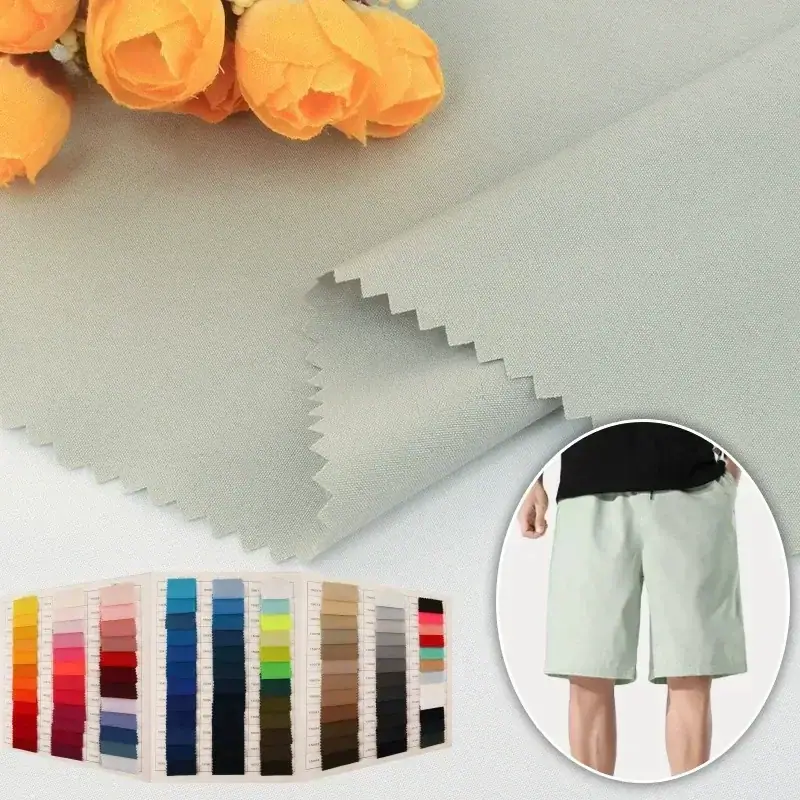
100D Recycled Polyester Four-Way Stretch Moisture Wicking Fabric for Activewear
100D Recycled Polyester Four-Way Stretch Moisture Wicking Fabric for Activewear is organized as a NexTex Lab B2B sourcing product for Activewear. The product record is standardized from available supplier reference imagery and product title attributes, with custom development support by yarn system, stretch level, finishing, certification requirement, color and order quantity.
| Composition | Recycled polyester / spandex stretch blend direction |
|---|---|
| Yarn Count | 100D direction |
| Density | Project-based woven stretch density |
| Width | Custom width / 57-60 in direction |
| Weight | Project-based gsm option |
| MOQ | Project-based OEM MOQ / supplier reference by color and specification |
Full Technical Fields
| Product Name | 100D Recycled Polyester Four-Way Stretch Moisture Wicking Fabric for Activewear |
|---|---|
| Brand | NexTex Lab |
| Quality Standard | Project-based activewear and outdoor textile testing standard |
| Composition | Recycled polyester / spandex stretch blend direction |
| SKU / Article No. | NTX-ACT-010 |
| Season | All season |
| Weave Type | Performance stretch textile structure |
| Dyeing & Finishing | moisture-management finishing |
| Pattern Process | Custom color / custom surface option |
| Yarn Count | 100D direction |
| Density | Project-based woven stretch density |
| Width | Custom width / 57-60 in direction |
| Weight | Project-based gsm option |
| Coating | No membrane by default |
| Breathability | Quick-dry breathable comfort direction |
| Usage | Activewear |
| MOQ | Project-based OEM MOQ / supplier reference by color and specification |
| Certifications | Project-based testing support, OEKO-TEX support, REACH support |

100gsm Recycled Polyester Stretch Knit Fabric
100gsm Recycled Polyester Stretch Knit Fabric is a standardized recycled performance fabric product for Activewear, Yoga Wear, Sportswear, Outdoor Activewear, Performance Lining.
| Composition | Recycled polyester blend with spandex option |
|---|---|
| Yarn Count | Custom recycled yarn system |
| Density | Custom by construction |
| Width | 58/60 in direction |
| Weight | 100gsm |
| MOQ | Project-based OEM MOQ / supplier reference by color and specification |
Full Technical Fields
| Product Name | 100gsm Recycled Polyester Stretch Knit Fabric |
|---|---|
| Brand | NexTex Lab |
| Quality Standard | Project-based testing standard |
| Composition | Recycled polyester blend with spandex option |
| SKU / Article No. | NTX-RCY-001 |
| Season | All season |
| Weave Type | Knitted stretch structure |
| Dyeing & Finishing | Piece dyed / custom color option + Low-impact recycled textile direction |
| Pattern Process | Solid color / custom color option |
| Yarn Count | Custom recycled yarn system |
| Density | Custom by construction |
| Width | 58/60 in direction |
| Weight | 100gsm |
| Breathability | Breathable / moisture-management direction |
| Usage | Activewear, Yoga Wear, Sportswear, Outdoor Activewear, Performance Lining |
| MOQ | Project-based OEM MOQ / supplier reference by color and specification |
| Certifications | Recycled content documentation support, OEKO-TEX support, REACH support |
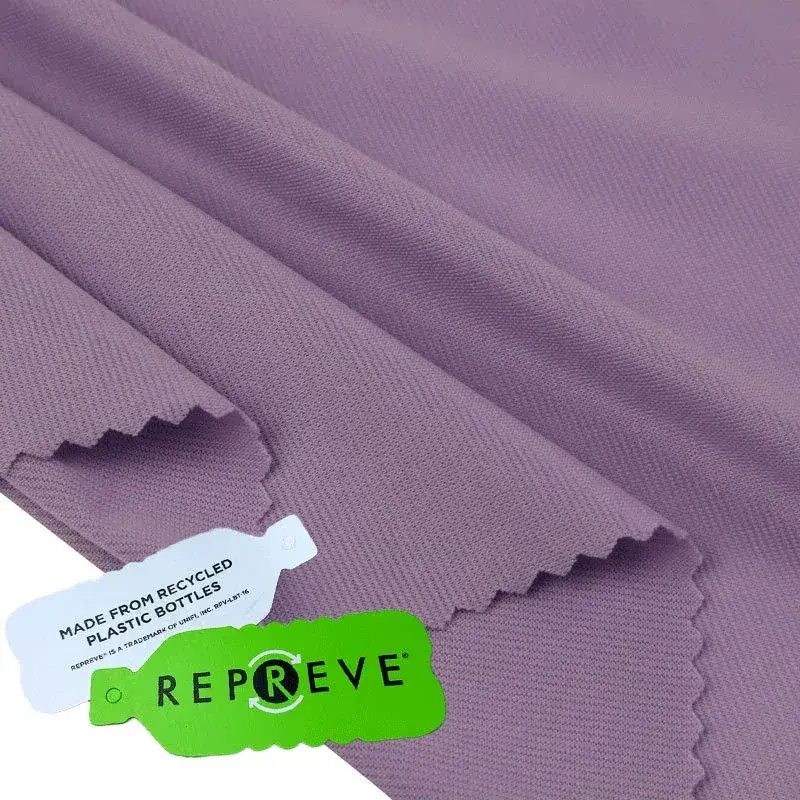
100gsm Recycled Polyester Stretch Knit Fabric
100gsm Recycled Polyester Stretch Knit Fabric is a standardized recycled performance fabric product for Activewear, Yoga Wear, Sportswear, Performance Lining.
| Composition | Recycled polyester blend with spandex option |
|---|---|
| Yarn Count | 40D |
| Density | Custom by construction |
| Width | 58/60 in direction |
| Weight | 100gsm |
| MOQ | Project-based OEM MOQ / supplier reference by color and specification |
Full Technical Fields
| Product Name | 100gsm Recycled Polyester Stretch Knit Fabric |
|---|---|
| Brand | NexTex Lab |
| Quality Standard | Project-based testing standard |
| Composition | Recycled polyester blend with spandex option |
| SKU / Article No. | NTX-RCY-002 |
| Season | All season |
| Weave Type | Knitted stretch structure |
| Dyeing & Finishing | Piece dyed / custom color option + Low-impact recycled textile direction |
| Pattern Process | Solid color / custom color option |
| Yarn Count | 40D |
| Density | Custom by construction |
| Width | 58/60 in direction |
| Weight | 100gsm |
| Breathability | Breathable / moisture-management direction |
| Usage | Activewear, Yoga Wear, Sportswear, Performance Lining |
| MOQ | Project-based OEM MOQ / supplier reference by color and specification |
| Certifications | Recycled content documentation support, OEKO-TEX support, REACH support |
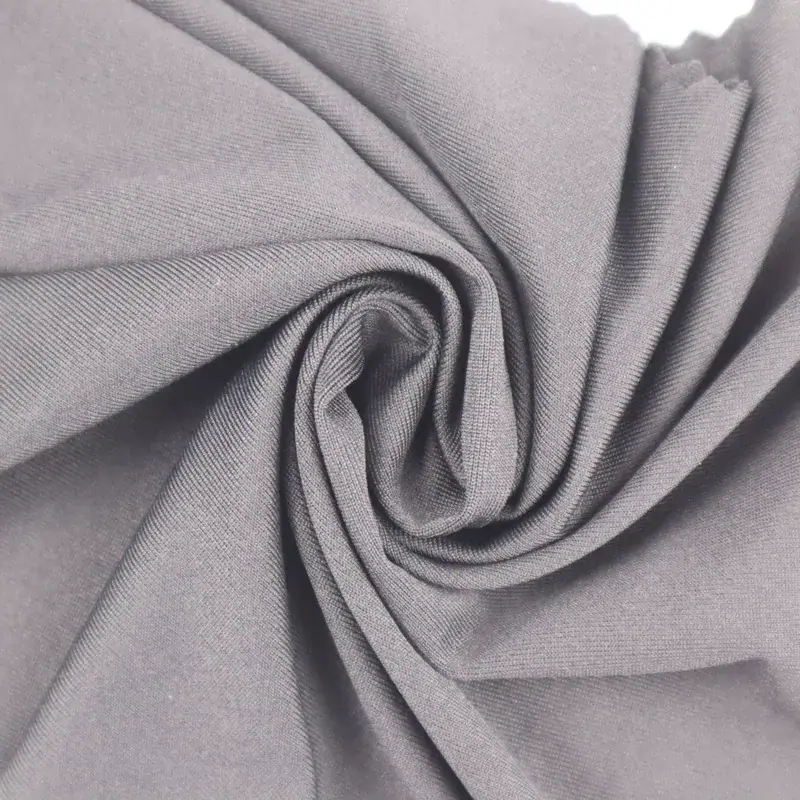
120gsm Recycled Polyester Stretch Knit Fabric
120gsm Recycled Polyester Stretch Knit Fabric is a standardized recycled performance fabric product for Swimwear, Activewear, Yoga Wear, Sportswear, Performance Lining.
| Composition | Recycled polyester blend with spandex option |
|---|---|
| Yarn Count | Custom recycled yarn system |
| Density | Custom by construction |
| Width | 58/60 in direction |
| Weight | 120gsm |
| MOQ | Project-based OEM MOQ / supplier reference by color and specification |
Full Technical Fields
| Product Name | 120gsm Recycled Polyester Stretch Knit Fabric |
|---|---|
| Brand | NexTex Lab |
| Quality Standard | GRS / OEKO-TEX / REACH support |
| Composition | Recycled polyester blend with spandex option |
| SKU / Article No. | NTX-RCY-003 |
| Season | All season |
| Weave Type | Knitted stretch structure |
| Dyeing & Finishing | Piece dyed / custom color option + Low-impact recycled textile direction |
| Pattern Process | Solid color / custom color option |
| Yarn Count | Custom recycled yarn system |
| Density | Custom by construction |
| Width | 58/60 in direction |
| Weight | 120gsm |
| Breathability | Breathable / moisture-management direction |
| Usage | Swimwear, Activewear, Yoga Wear, Sportswear, Performance Lining |
| MOQ | Project-based OEM MOQ / supplier reference by color and specification |
| Certifications | GRS option, OEKO-TEX support, REACH support |