Technology Insights
Quick Dry Fabric Guide For Activewear
Learn how quick dry fabrics work for activewear, sportswear and outdoor apparel through moisture management, breathability and lightweight engineering.
Introduction
Anyone who has exercised in heavy cotton clothing understands how uncomfortable moisture can become.
The fabric absorbs sweat, becomes heavy and sticks to the skin. During intense activity, this quickly affects comfort and performance.
This problem pushed textile engineers to develop a completely different category of performance materials: quick dry fabrics.
Today, quick dry textile systems are used in nearly every modern sportswear category, including:
- Running apparel
- Outdoor activewear
- Training clothing
- Hiking garments
- Travel wear
These fabrics are engineered not simply to absorb moisture, but to manage it intelligently.
How Quick Dry Fabrics Actually Work
Traditional fabrics absorb and hold moisture inside the fibers.
Quick dry fabrics work differently.
Modern performance textiles are engineered to:
- Move moisture away from the skin
- Spread moisture across the fabric surface
- Increase evaporation speed
- Improve airflow circulation
This process is commonly called moisture management technology.
Instead of trapping sweat, the fabric helps release it more efficiently into the air.
Why Athletes Depend On Moisture Management
During physical activity, the human body constantly regulates temperature through perspiration.
Without proper moisture control:
- Clothing becomes heavy
- Skin feels uncomfortable
- Body temperature becomes harder to regulate
- Movement feels restricted
Quick dry fabrics help maintain comfort during:
- Running
- Gym training
- Outdoor sports
- Hiking
- Long-distance travel
This is why nearly all modern activewear brands now prioritize moisture-management textile engineering.
The Rise Of Lightweight Performance Fabrics
A major trend in sportswear development is lightweight construction.
Consumers increasingly expect fabrics that feel:
- Soft
- Breathable
- Flexible
- Lightweight
Modern quick dry materials often combine:
- Stretch fibers
- Breathable weaving systems
- Lightweight polyester engineering
- Advanced yarn structures
These technologies improve comfort while maintaining durability.
For application planning, review Activewear Fabric Solutions and Moisture Management Fabric Technology.
Quick Dry Fabrics In Outdoor Travel
Interestingly, quick dry materials are no longer limited to sportswear.
They are now widely used in:
- Travel clothing
- Outdoor shirts
- Lightweight jackets
- Hiking apparel
- Technical casual wear
For travelers, fast-drying clothing reduces luggage weight and improves convenience during long trips.
Explore related material categories such as Breathable Fabrics and Stretch Fabrics.
The Future Of Moisture Management Technology
Textile engineers are now developing even more advanced moisture-control systems using:
- Sustainable fibers
- Recycled performance materials
- Smart textile engineering
- Bio-based fabric technologies
As active lifestyles continue growing worldwide, quick dry fabrics will remain one of the fastest-expanding categories within the technical textile industry.
Final Thoughts
Quick dry fabrics changed the way modern sportswear performs.
What began as a solution for athletic comfort has now become a global standard across activewear, travel apparel and outdoor clothing.
As textile innovation continues advancing, moisture-management technology will likely become even more important for performance apparel development.
FAQ
What is quick dry fabric?
Quick dry fabric is engineered to move moisture away from the body and accelerate evaporation for improved comfort.
Why are quick dry fabrics used in activewear?
They help manage sweat, reduce discomfort and improve performance during exercise and outdoor activity.
Fabric FAQ
Common Functional Fabric Questions
How do functional fabrics improve outdoor performance?
Functional fabrics combine waterproof protection, breathability, lightweight construction and durability to improve comfort and performance in demanding outdoor environments. They are widely used across outdoor apparel, travel gear and high-performance equipment.
Why are lightweight fabrics becoming more popular?
Lightweight fabrics improve mobility, reduce fatigue and increase comfort during outdoor activity, travel and sportswear use. Modern lightweight fabric engineering helps brands reduce weight while maintaining durability and weather protection.
How are modern outdoor fabrics different from traditional textiles?
Modern outdoor fabrics integrate advanced membrane technology, technical weaving systems, moisture-management engineering and sustainable material innovation. Unlike traditional textiles, they are developed around measurable performance needs and application-specific testing.
Are sustainable fabrics suitable for technical applications?
Yes. Modern sustainable fabrics can provide strong durability, waterproof performance and breathable comfort for outdoor and sportswear applications when fiber quality, construction and finishing are properly engineered.
Which industries use functional fabrics?
Technical fabrics are widely used in outdoor apparel, activewear, tactical gear, travel products, industrial textiles and high-performance equipment manufacturing. NexTex Lab organizes these needs through dedicated fabric solution pages.
Related Products
Product Materials Connected To This Guide
These product cards are connected through the product database, so buyers can move from fabric knowledge into sample-ready material options.
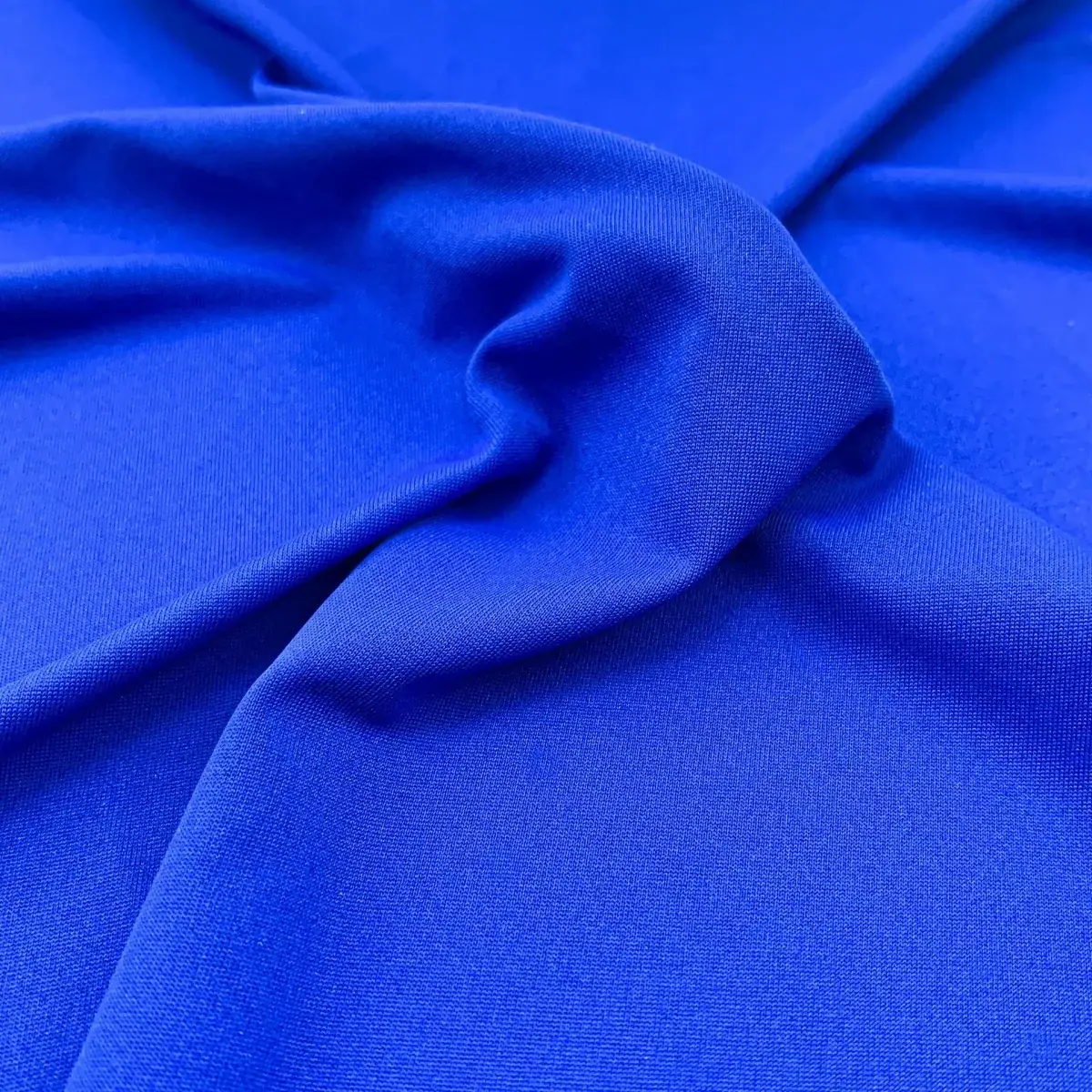
130gsm Moisture Wicking Quick Dry Polyester Spandex Knit Fabric
130gsm Moisture Wicking Quick Dry Polyester Spandex Knit Fabric is organized as a NexTex Lab B2B sourcing product for Activewear, Yoga Wear, Sportswear, Underwear. The product record is refined from supplier reference imagery and available specification fields, with custom development support by weight, handfeel, finishing, color, testing requirement and order quantity.
| Composition | 92%Polyester 8%Spandex |
|---|---|
| Yarn Count | 40D |
| Density | 40D |
| Width | 163cm |
| Weight | 130 gsm |
| MOQ | Project-based OEM MOQ / supplier reference by color and specification |
Full Technical Fields
| Product Name | 130gsm Moisture Wicking Quick Dry Polyester Spandex Knit Fabric |
|---|---|
| Brand | NexTex Lab supplier reference |
| Quality Standard | China National Standard (GB) |
| Composition | 92%Polyester 8%Spandex |
| SKU / Article No. | AIR ICY0627 |
| Weave Type | Knitted |
| Dyeing & Finishing | Dyeing |
| Pattern Process | Customizable |
| Yarn Count | 40D |
| Density | 40D |
| Width | 163cm |
| Weight | 130 gsm |
| Breathability | Breathable / moisture-management direction |
| Usage | Activewear, Yoga Wear, Sportswear, Underwear, Base Layers |
| MOQ | Project-based OEM MOQ / supplier reference by color and specification |
| Certifications | Project-based testing support, OEKO-TEX support, REACH support |
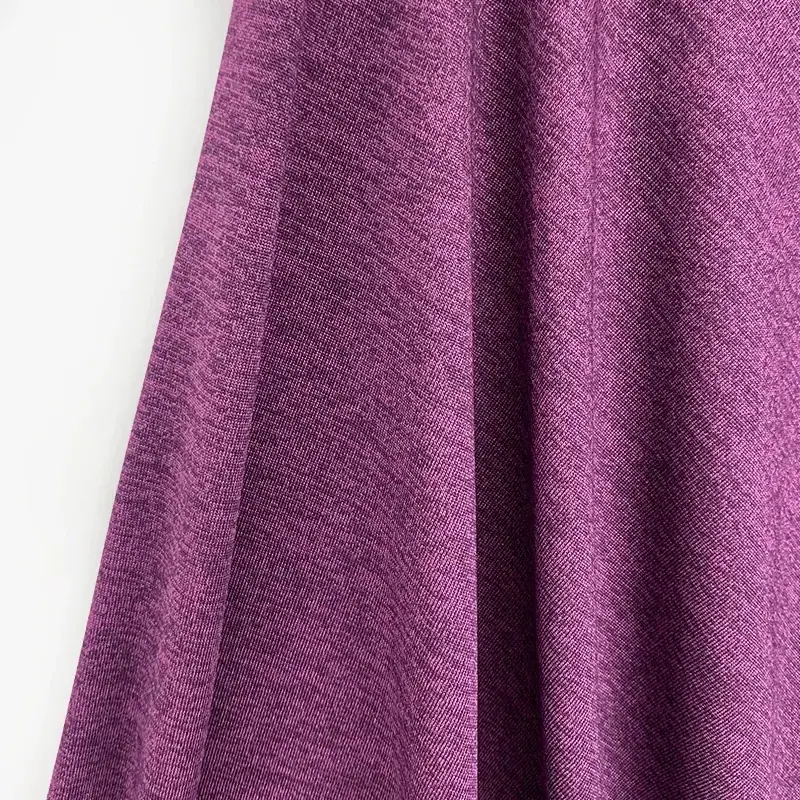
150gsm Graphene Moisture Wicking Quick Dry Antibacterial Nylon Polyester Technical Fabric
150gsm Graphene Moisture Wicking Quick Dry Antibacterial Nylon Polyester Technical Fabric is organized as a NexTex Lab B2B sourcing product for Activewear, Yoga Wear, Sportswear, Underwear. The product record is refined from supplier reference imagery and available specification fields, with custom development support by weight, handfeel, finishing, color, testing requirement and order quantity.
| Composition | Nylon Polyester Blend |
|---|---|
| Weight | 150 gsm |
| MOQ | Project-based OEM MOQ / supplier reference by color and specification |
Full Technical Fields
| Product Name | 150gsm Graphene Moisture Wicking Quick Dry Antibacterial Nylon Polyester Technical Fabric |
|---|---|
| Brand | NexTex Lab / NexTex Lab supplier reference supplier reference |
| Quality Standard | Project-based testing standard |
| Composition | Nylon Polyester Blend |
| SKU / Article No. | 944440000000 |
| Season | Spring, Summer, Autumn, Winter |
| Weave Type | Technical textile construction |
| Weight | 150 gsm |
| Breathability | Breathable / moisture-management direction |
| Usage | Activewear, Yoga Wear, Sportswear, Underwear, Base Layers, T-Shirts, Casual Apparel, Pants |
| MOQ | Project-based OEM MOQ / supplier reference by color and specification |
| Certifications | Project-based testing support, OEKO-TEX support, REACH support |
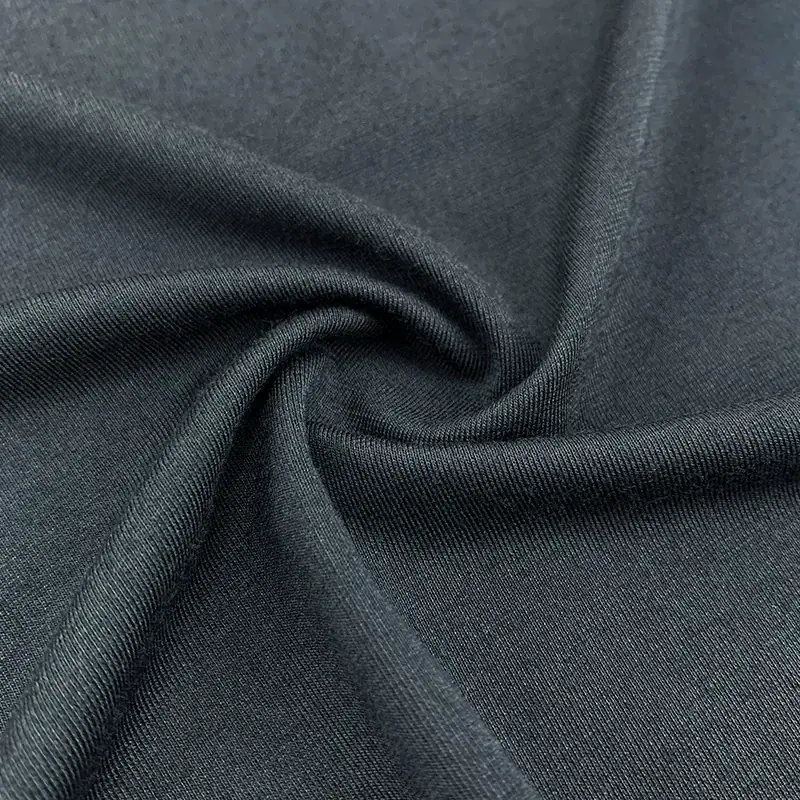
160gsm Moisture Wicking Quick Dry Antibacterial Technical Fabric
160gsm Moisture Wicking Quick Dry Antibacterial Technical Fabric is organized as a NexTex Lab B2B sourcing product for Activewear, Yoga Wear, Sportswear. The product record is refined from supplier reference imagery and available specification fields, with custom development support by weight, handfeel, finishing, color, testing requirement and order quantity.
| Weight | 160 gsm |
|---|---|
| MOQ | Project-based OEM MOQ / supplier reference by color and specification |
Full Technical Fields
| Product Name | 160gsm Moisture Wicking Quick Dry Antibacterial Technical Fabric |
|---|---|
| Brand | NexTex Lab / NexTex Lab supplier reference supplier reference |
| Quality Standard | Project-based testing standard |
| SKU / Article No. | 950432000000 |
| Season | Spring, Summer, Autumn, Winter |
| Weave Type | Knitted |
| Weight | 160 gsm |
| Breathability | Breathable / moisture-management direction |
| Usage | Activewear, Yoga Wear, Sportswear |
| MOQ | Project-based OEM MOQ / supplier reference by color and specification |
| Certifications | Project-based testing support, OEKO-TEX support, REACH support |
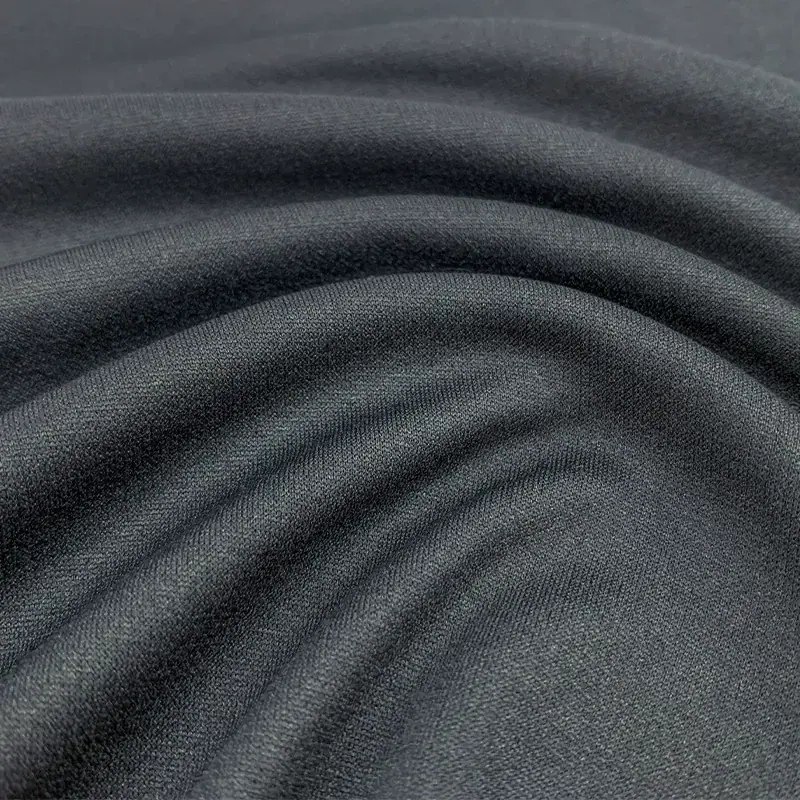
160gsm Sorona Moisture Wicking Quick Dry Antibacterial Technical Fabric
160gsm Sorona Moisture Wicking Quick Dry Antibacterial Technical Fabric is organized as a NexTex Lab B2B sourcing product for Activewear, Yoga Wear, Sportswear. The product record is refined from supplier reference imagery and available specification fields, with custom development support by weight, handfeel, finishing, color, testing requirement and order quantity.
| Weight | 160 gsm |
|---|---|
| MOQ | Project-based OEM MOQ / supplier reference by color and specification |
Full Technical Fields
| Product Name | 160gsm Sorona Moisture Wicking Quick Dry Antibacterial Technical Fabric |
|---|---|
| Brand | NexTex Lab / NexTex Lab supplier reference supplier reference |
| Quality Standard | Project-based testing standard |
| SKU / Article No. | 1040710000000 |
| Season | Spring, Summer, Autumn, Winter |
| Weave Type | Technical textile construction |
| Weight | 160 gsm |
| Breathability | Breathable / moisture-management direction |
| Usage | Activewear, Yoga Wear, Sportswear |
| MOQ | Project-based OEM MOQ / supplier reference by color and specification |
| Certifications | Project-based testing support, OEKO-TEX support, REACH support |