Buying Guides
Best Fabric For Activewear & Sportswear
A practical guide to stretch fabrics, moisture wicking textiles, quick dry polyester and breathable performance materials for activewear brands.
Introduction
The modern activewear industry has evolved far beyond basic gym clothing.
Today’s consumers expect sportswear that feels lightweight, stretches naturally, dries quickly and remains comfortable during intense movement.
Because of this, fabric selection has become one of the most important factors in sportswear development.
The best activewear fabrics combine:
- Stretch performance
- Moisture management
- Breathability
- Lightweight comfort
- Durability
These characteristics help athletes and everyday users stay comfortable during training and outdoor activity.
Why Stretch Fabrics Matter
Movement is central to activewear performance.
Traditional woven fabrics often restrict flexibility.
Modern 4-way stretch fabrics solve this issue by allowing elasticity in both horizontal and vertical directions.
This improves:
- Mobility
- Comfort
- Athletic performance
- Garment fit
That is why stretch fabrics dominate today’s yoga wear, running apparel and training clothing.
Explore related material options on the Stretch Fabrics page.
Moisture Wicking & Breathability
Sweat management is another critical factor.
High-quality sportswear fabrics help move moisture away from the skin while improving airflow.
Without proper moisture management, garments become heavy and uncomfortable during physical activity.
Quick dry polyester and breathable nylon blends are commonly used to solve this problem.
For the technical side, review Moisture Management Fabric Technology.
Recommended Activewear Fabrics
Popular sportswear materials include:
- Stretch nylon fabrics
- Compression fabrics
- Quick dry polyester
- Breathable performance blends
For application planning, see Activewear Fabric Solutions.
Final Thoughts
As fitness culture continues growing globally, demand for advanced activewear fabrics will continue increasing.
Brands that focus on comfort, stretch performance and breathable engineering will remain highly competitive in the sportswear market.
FAQ
What fabric is best for sportswear?
Stretch fabrics with breathable moisture-management performance are commonly used for sportswear and activewear applications.
What is 4-way stretch fabric?
4-way stretch fabrics provide elasticity in both horizontal and vertical directions for improved flexibility and comfort.
Fabric FAQ
Common Functional Fabric Questions
How do functional fabrics improve outdoor performance?
Functional fabrics combine waterproof protection, breathability, lightweight construction and durability to improve comfort and performance in demanding outdoor environments. They are widely used across outdoor apparel, travel gear and high-performance equipment.
Why are lightweight fabrics becoming more popular?
Lightweight fabrics improve mobility, reduce fatigue and increase comfort during outdoor activity, travel and sportswear use. Modern lightweight fabric engineering helps brands reduce weight while maintaining durability and weather protection.
How are modern outdoor fabrics different from traditional textiles?
Modern outdoor fabrics integrate advanced membrane technology, technical weaving systems, moisture-management engineering and sustainable material innovation. Unlike traditional textiles, they are developed around measurable performance needs and application-specific testing.
Are sustainable fabrics suitable for technical applications?
Yes. Modern sustainable fabrics can provide strong durability, waterproof performance and breathable comfort for outdoor and sportswear applications when fiber quality, construction and finishing are properly engineered.
Which industries use functional fabrics?
Technical fabrics are widely used in outdoor apparel, activewear, tactical gear, travel products, industrial textiles and high-performance equipment manufacturing. NexTex Lab organizes these needs through dedicated fabric solution pages.
Related Products
Product Materials Connected To This Guide
These product cards are connected through the product database, so buyers can move from fabric knowledge into sample-ready material options.
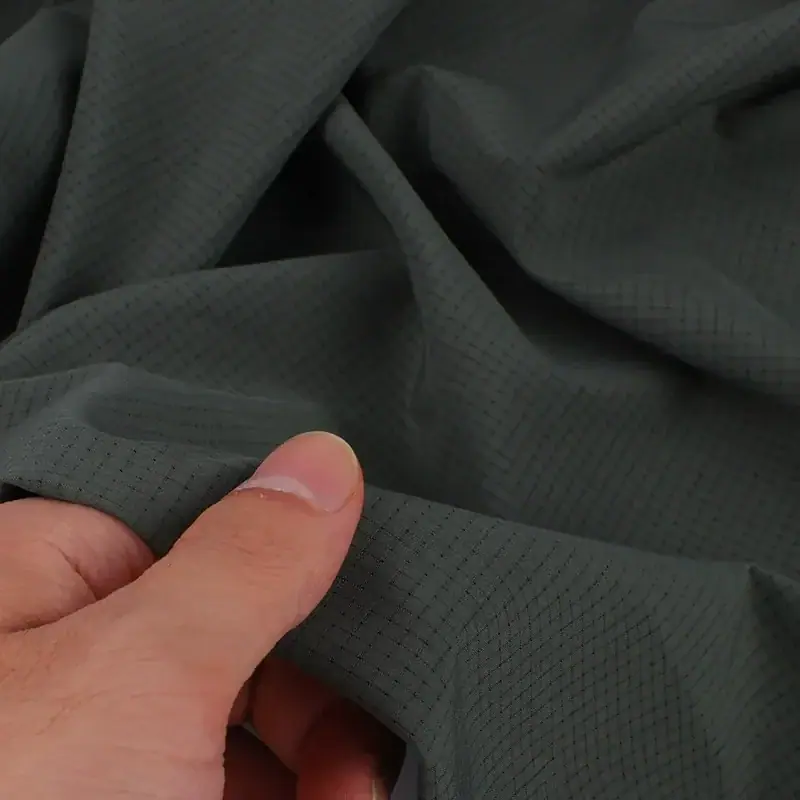
100D T400 Polyester Four-Way Stretch Quick Dry Breathable Fabric for Outdoor Pants
100D T400 Polyester Four-Way Stretch Quick Dry Breathable Fabric for Outdoor Pants is organized as a NexTex Lab B2B sourcing product for Outdoor Pants. The product record is standardized from available supplier reference imagery and product title attributes, with custom development support by yarn system, stretch level, water-repellent finishing, texture, color and order quantity.
| Composition | Polyester / spandex stretch blend direction |
|---|---|
| Yarn Count | 100D direction |
| Density | perforated mesh texture |
| Width | Custom width / 57-60 in direction |
| Weight | Project-based gsm option |
| MOQ | Project-based OEM MOQ / supplier reference by color and specification |
Full Technical Fields
| Product Name | 100D T400 Polyester Four-Way Stretch Quick Dry Breathable Fabric for Outdoor Pants |
|---|---|
| Brand | NexTex Lab |
| Quality Standard | Project-based outdoor and activewear textile testing standard |
| Composition | Polyester / spandex stretch blend direction |
| SKU / Article No. | NTX-OUT-023 |
| Season | All season |
| Weave Type | Perforated woven stretch structure |
| Dyeing & Finishing | quick-dry finishing |
| Pattern Process | Custom color / custom surface option |
| Yarn Count | 100D direction |
| Density | perforated mesh texture |
| Width | Custom width / 57-60 in direction |
| Weight | Project-based gsm option |
| Coating | No membrane by default |
| Breathability | Quick-dry breathable comfort direction |
| Usage | Outdoor Pants |
| MOQ | Project-based OEM MOQ / supplier reference by color and specification |
| Certifications | Project-based testing support, OEKO-TEX support, REACH support |
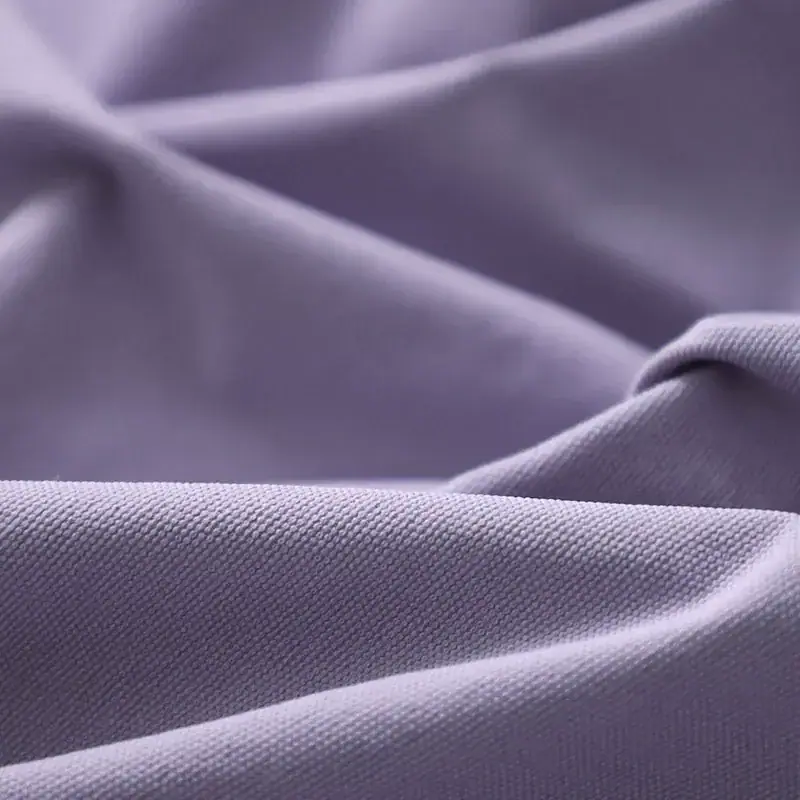
120gsm Nylon Four-Way Stretch Quick Dry Moisture Wicking Breathable Fabric for Outdoor Pants
120gsm Nylon Four-Way Stretch Quick Dry Moisture Wicking Breathable Fabric for Outdoor Pants is organized as a NexTex Lab B2B sourcing product for Outdoor Pants. The product record is standardized from available supplier reference imagery and product title attributes, with custom development support by yarn system, stretch level, water-repellent finishing, texture, color and order quantity.
| Composition | Nylon / spandex stretch blend direction |
|---|---|
| Yarn Count | Project-based outdoor yarn system |
| Density | Project-based outdoor stretch density |
| Width | Custom width / 57-60 in direction |
| Weight | 120gsm direction |
| MOQ | Project-based OEM MOQ / supplier reference by color and specification |
Full Technical Fields
| Product Name | 120gsm Nylon Four-Way Stretch Quick Dry Moisture Wicking Breathable Fabric for Outdoor Pants |
|---|---|
| Brand | NexTex Lab |
| Quality Standard | Project-based outdoor and activewear textile testing standard |
| Composition | Nylon / spandex stretch blend direction |
| SKU / Article No. | NTX-OUT-002 |
| Season | All season |
| Weave Type | Performance woven stretch structure |
| Dyeing & Finishing | quick-dry finishing + moisture-management finishing + surface texture finishing |
| Pattern Process | Textured surface / custom color option |
| Yarn Count | Project-based outdoor yarn system |
| Density | Project-based outdoor stretch density |
| Width | Custom width / 57-60 in direction |
| Weight | 120gsm direction |
| Coating | No membrane by default |
| Breathability | Quick-dry breathable comfort direction |
| Usage | Outdoor Pants |
| MOQ | Project-based OEM MOQ / supplier reference by color and specification |
| Certifications | Project-based testing support, OEKO-TEX support, REACH support |
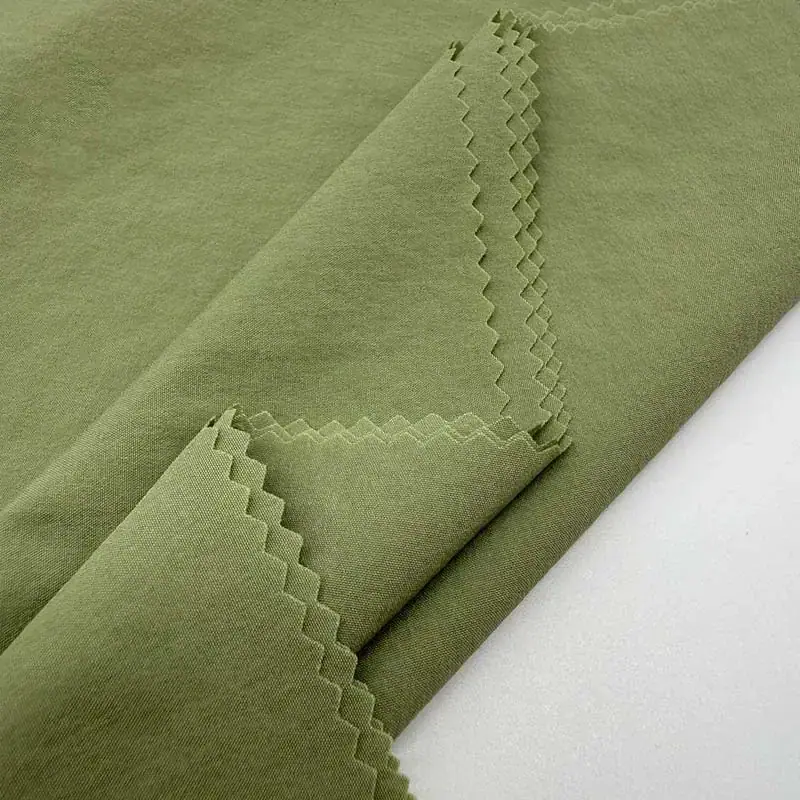
130gsm Nylon Four-Way Stretch Quick Dry Moisture Wicking Breathable Fabric for Outdoor Pants and Cycling Apparel
130gsm Nylon Four-Way Stretch Quick Dry Moisture Wicking Breathable Fabric for Outdoor Pants and Cycling Apparel is organized as a NexTex Lab B2B sourcing product for Outdoor Pants, Cycling Apparel. The product record is standardized from available supplier reference imagery and product title attributes, with custom development support by yarn system, stretch level, water-repellent finishing, texture, color and order quantity.
| Composition | Nylon / spandex stretch blend direction |
|---|---|
| Yarn Count | Project-based outdoor yarn system |
| Density | Project-based outdoor stretch density |
| Width | Custom width / 57-60 in direction |
| Weight | 130gsm direction |
| MOQ | Project-based OEM MOQ / supplier reference by color and specification |
Full Technical Fields
| Product Name | 130gsm Nylon Four-Way Stretch Quick Dry Moisture Wicking Breathable Fabric for Outdoor Pants and Cycling Apparel |
|---|---|
| Brand | NexTex Lab |
| Quality Standard | Project-based outdoor and activewear textile testing standard |
| Composition | Nylon / spandex stretch blend direction |
| SKU / Article No. | NTX-OUT-003 |
| Season | All season |
| Weave Type | Performance woven stretch structure |
| Dyeing & Finishing | quick-dry finishing + moisture-management finishing |
| Pattern Process | Custom color / custom surface option |
| Yarn Count | Project-based outdoor yarn system |
| Density | Project-based outdoor stretch density |
| Width | Custom width / 57-60 in direction |
| Weight | 130gsm direction |
| Coating | No membrane by default |
| Breathability | Quick-dry breathable comfort direction |
| Usage | Outdoor Pants, Cycling Apparel |
| MOQ | Project-based OEM MOQ / supplier reference by color and specification |
| Certifications | Project-based testing support, OEKO-TEX support, REACH support |
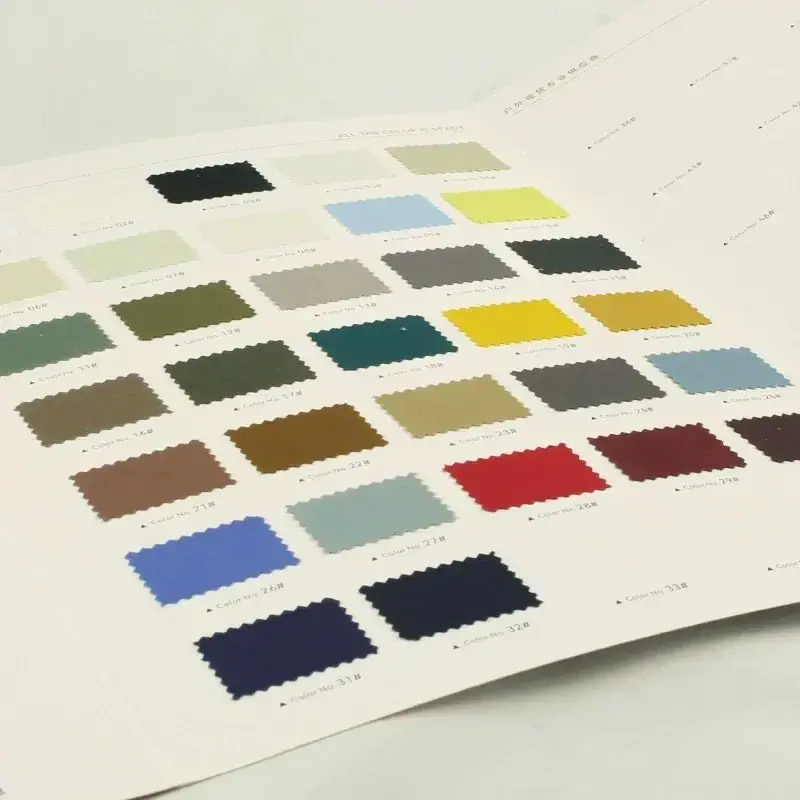
160D Nylon Stretch Quick Dry Moisture Wicking Three-Proof Direction Fabric for Equestrian Pants
160D Nylon Stretch Quick Dry Moisture Wicking Three-Proof Direction Fabric for Equestrian Pants is organized as a NexTex Lab B2B sourcing product for Equestrian Pants. The product record is standardized from available supplier reference imagery and product title attributes, with custom development support by yarn system, stretch level, finishing, certification requirement, color and order quantity.
| Composition | Nylon / spandex stretch blend direction |
|---|---|
| Yarn Count | 160D direction |
| Density | Project-based woven stretch density |
| Width | Custom width / 57-60 in direction |
| Weight | Project-based gsm option |
| MOQ | Project-based OEM MOQ / supplier reference by color and specification |
Full Technical Fields
| Product Name | 160D Nylon Stretch Quick Dry Moisture Wicking Three-Proof Direction Fabric for Equestrian Pants |
|---|---|
| Brand | NexTex Lab |
| Quality Standard | Project-based activewear and outdoor textile testing standard |
| Composition | Nylon / spandex stretch blend direction |
| SKU / Article No. | NTX-ACT-016 |
| Season | All season |
| Weave Type | Performance stretch textile structure |
| Dyeing & Finishing | quick-dry finishing + moisture-management finishing + water-repellent finishing direction |
| Pattern Process | Custom color / custom surface option |
| Yarn Count | 160D direction |
| Density | Project-based woven stretch density |
| Width | Custom width / 57-60 in direction |
| Weight | Project-based gsm option |
| Coating | Water-repellent finishing option |
| Waterproof | Water-repellent / three-proof finishing direction |
| Breathability | Quick-dry breathable comfort direction |
| Usage | Equestrian Pants |
| MOQ | Project-based OEM MOQ / supplier reference by color and specification |
| Certifications | Project-based testing support, OEKO-TEX support, REACH support |