Buying Guides
Best Waterproof Fabric For Outdoor Jackets In 2026
A complete guide to waterproof jacket fabrics, TPU laminated textiles, ripstop nylon and breathable membrane systems for outdoor brands.
Introduction
Anyone who has spent time in the mountains understands one simple truth: the weather changes fast.
A jacket that feels perfect in the morning can become useless when heavy rain, strong wind or snow suddenly arrives. This is exactly why outdoor brands continue to invest heavily in waterproof fabric technology.
Over the past decade, waterproof textiles have evolved far beyond traditional raincoat materials. Modern outdoor fabrics are lighter, more breathable and significantly more durable than earlier generations.
Today, materials such as TPU laminated fabrics, waterproof ripstop nylon and breathable membrane systems are widely used in technical outdoor apparel designed for hiking, skiing and extreme weather environments.
For outdoor brands, selecting the right waterproof fabric is no longer just about water resistance. It is about balancing comfort, breathability, weight, flexibility and long-term durability.
What Makes A Fabric Waterproof?
Many people assume waterproof fabric is simply a material with a coating on the surface. In reality, modern waterproof systems are much more advanced.
Waterproof fabrics typically combine:
- Technical weaving structures
- Waterproof membranes
- Surface coatings
- Lamination technologies
- Durable water repellent treatments
These layers work together to prevent water penetration while allowing moisture vapor from the body to escape.
This balance between protection and breathability is essential for outdoor performance.
Without breathability, condensation builds inside the garment, causing discomfort during physical activity.
Why TPU Laminated Fabrics Are Growing Rapidly
One of the biggest developments in recent years is the rise of TPU laminated fabrics.
TPU membrane systems offer:
- Improved flexibility
- Better abrasion resistance
- Lightweight performance
- Enhanced waterproof protection
- Better environmental performance compared to traditional PU systems
This is why many premium outdoor brands are gradually shifting toward TPU-based waterproof technologies.
Learn more about membrane engineering in our TPU Lamination Technology page.
Ripstop Waterproof Fabrics For Outdoor Performance
Outdoor jackets face constant friction from backpacks, climbing gear and harsh environmental conditions.
Because of this, ripstop waterproof fabrics have become extremely popular.
Ripstop weaving structures use reinforced yarn grids that help stop tearing from spreading across the fabric.
The result is a material that remains lightweight while dramatically improving long-term durability.
This combination is especially useful for:
- Hiking jackets
- Ski apparel
- Tactical outerwear
- Mountain gear
- Travel equipment
Explore related material options on the Ripstop Fabrics page.
Breathability Matters More Than Most People Think
One common mistake in outdoor apparel design is focusing only on waterproof ratings.
In reality, breathability is equally important.
A jacket that blocks rain but traps sweat inside quickly becomes uncomfortable during movement.
Modern breathable waterproof fabrics are engineered to release moisture vapor while maintaining weather protection.
This is why advanced outdoor fabrics often use multi-layer membrane systems combined with lightweight textile engineering.
Recommended Applications
High-performance waterproof fabrics are widely used in:
- Hiking jackets
- Ski wear
- Rainwear
- Technical outerwear
- Mountain apparel
- Waterproof backpacks
For application-level material planning, see Outdoor Apparel Fabric Solutions.
Final Thoughts
The outdoor industry continues to push fabric innovation forward.
As consumers demand lighter, stronger and more sustainable outdoor products, waterproof textile engineering will continue evolving rapidly.
For brands developing next-generation outdoor apparel, TPU laminated ripstop fabrics remain one of the most advanced and commercially viable solutions available in 2026.
FAQ
What is the best waterproof fabric for outdoor jackets?
TPU laminated ripstop nylon fabrics are widely considered among the best waterproof materials for outdoor jackets because of their lightweight durability and weather protection.
Are waterproof fabrics breathable?
Many waterproof fabrics integrate breathable membrane technologies designed for active outdoor performance.
Fabric FAQ
Common Functional Fabric Questions
How do functional fabrics improve outdoor performance?
Functional fabrics combine waterproof protection, breathability, lightweight construction and durability to improve comfort and performance in demanding outdoor environments. They are widely used across outdoor apparel, travel gear and high-performance equipment.
Why are lightweight fabrics becoming more popular?
Lightweight fabrics improve mobility, reduce fatigue and increase comfort during outdoor activity, travel and sportswear use. Modern lightweight fabric engineering helps brands reduce weight while maintaining durability and weather protection.
How are modern outdoor fabrics different from traditional textiles?
Modern outdoor fabrics integrate advanced membrane technology, technical weaving systems, moisture-management engineering and sustainable material innovation. Unlike traditional textiles, they are developed around measurable performance needs and application-specific testing.
Are sustainable fabrics suitable for technical applications?
Yes. Modern sustainable fabrics can provide strong durability, waterproof performance and breathable comfort for outdoor and sportswear applications when fiber quality, construction and finishing are properly engineered.
Which industries use functional fabrics?
Technical fabrics are widely used in outdoor apparel, activewear, tactical gear, travel products, industrial textiles and high-performance equipment manufacturing. NexTex Lab organizes these needs through dedicated fabric solution pages.
Related Products
Product Materials Connected To This Guide
These product cards are connected through the product database, so buyers can move from fabric knowledge into sample-ready material options.
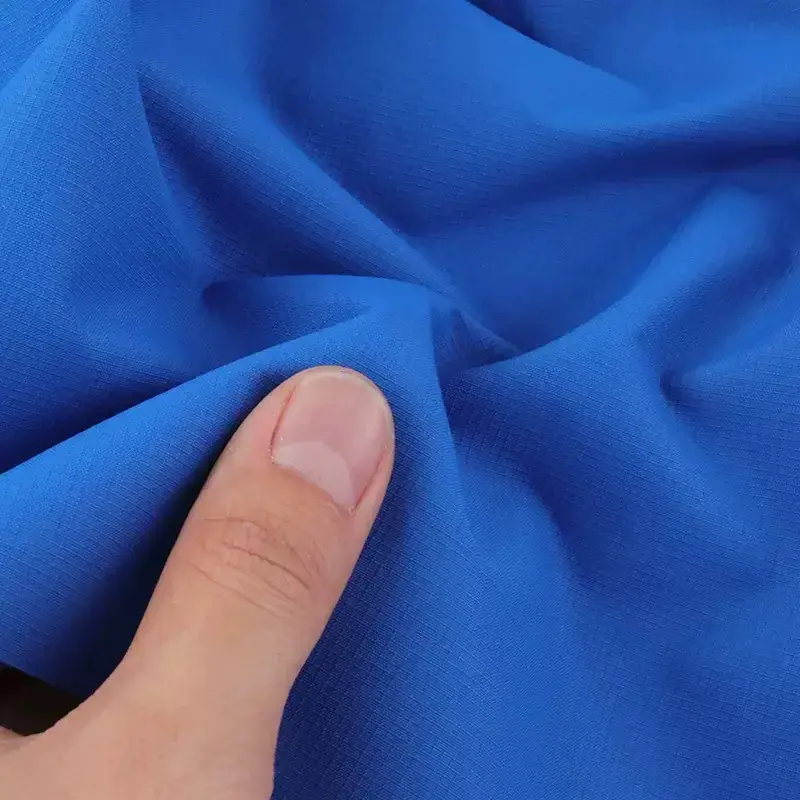
0.1D Matte Grid TPU Laminated Fabric
0.1 Laminated Grid Fabric is organized from supplier reference material and engineered as a NexTex Lab B2B sourcing option for Outdoor Jackets, Ski Wear, Pet Outdoor Gear. Specification details can be adjusted by fabric weight, handfeel, coating, lamination structure, color and testing requirements.
| Yarn Count | 0.1 |
|---|
Full Technical Fields
| Product Name | 0.1D Matte Grid TPU Laminated Fabric |
|---|---|
| Brand | NexTex Lab |
| Season | Autumn / Winter |
| Weave Type | Grid woven / ripstop direction |
| Dyeing & Finishing | Lamination + DWR Finishing |
| Pattern Process | Grid / texture color option |
| Yarn Count | 0.1 |
| Usage | Outdoor Jackets, Ski Wear, Pet Outdoor Gear |
| Certifications | SGS testing support, OEKO-TEX support, REACH support |
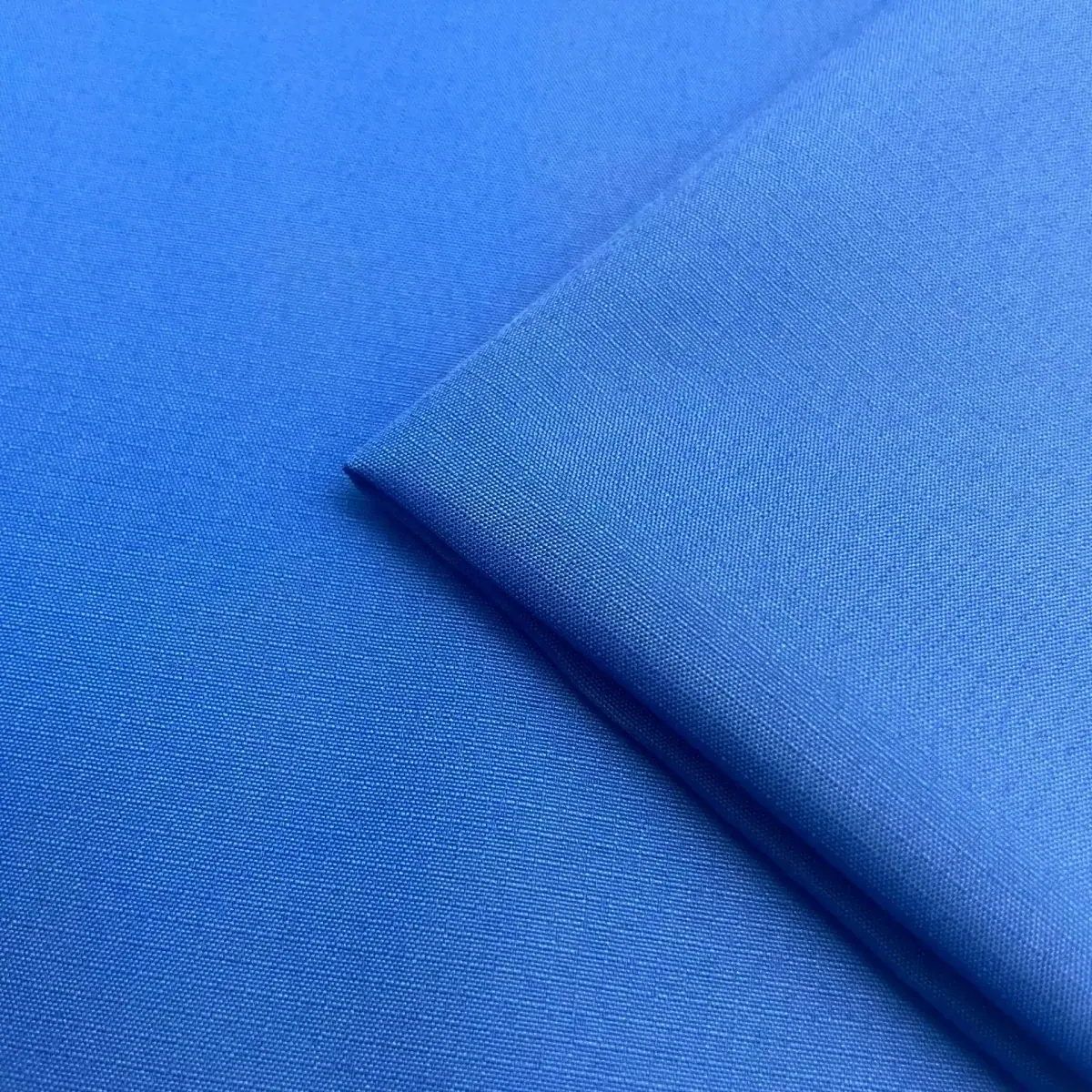
0.2 Grid Polyester Pongee PA Coated Two-Layer Waterproof Shell Fabric
0.2 Grid Polyester Pongee PA Coated Two-Layer Waterproof Shell Fabric is organized as a NexTex Lab B2B sourcing product for school uniforms, outdoor jackets, shell jackets and rainwear. The material direction combines polyester pongee, grid texture, eco PA white coating and two-layer film bonding. Specifications can be confirmed by color, fabric weight, coating structure, waterproof target, testing requirements and order quantity.
| Composition | Polyester pongee with PA coating / film bonding option |
|---|---|
| Yarn Count | Polyester pongee substrate direction |
| Density | 0.2 grid construction direction |
| Width | Custom width / 57-60 in direction |
| Weight | Project-based gsm option |
| MOQ | Project-based OEM MOQ / supplier reference by color and specification |
Full Technical Fields
| Product Name | 0.2 Grid Polyester Pongee PA Coated Two-Layer Waterproof Shell Fabric |
|---|---|
| Brand | NexTex Lab |
| Quality Standard | Project-based testing standard |
| Composition | Polyester pongee with PA coating / film bonding option |
| SKU / Article No. | NTX-WP-001 |
| Season | Spring / Autumn / All season |
| Weave Type | Grid polyester pongee woven structure |
| Dyeing & Finishing | Eco PA white coating + film bonding + water-repellent finishing |
| Pattern Process | 0.2 grid / solid color option |
| Yarn Count | Polyester pongee substrate direction |
| Density | 0.2 grid construction direction |
| Width | Custom width / 57-60 in direction |
| Weight | Project-based gsm option |
| Coating | PA white coating / two-layer film bonding option |
| Waterproof | Waterproof / water-resistant direction |
| Breathability | Breathable option by coating or membrane structure |
| Usage | School uniforms, outdoor jackets, shell jackets, windbreakers and rainwear |
| MOQ | Project-based OEM MOQ / supplier reference by color and specification |
| Certifications | Project-based testing support, OEKO-TEX support, REACH support |
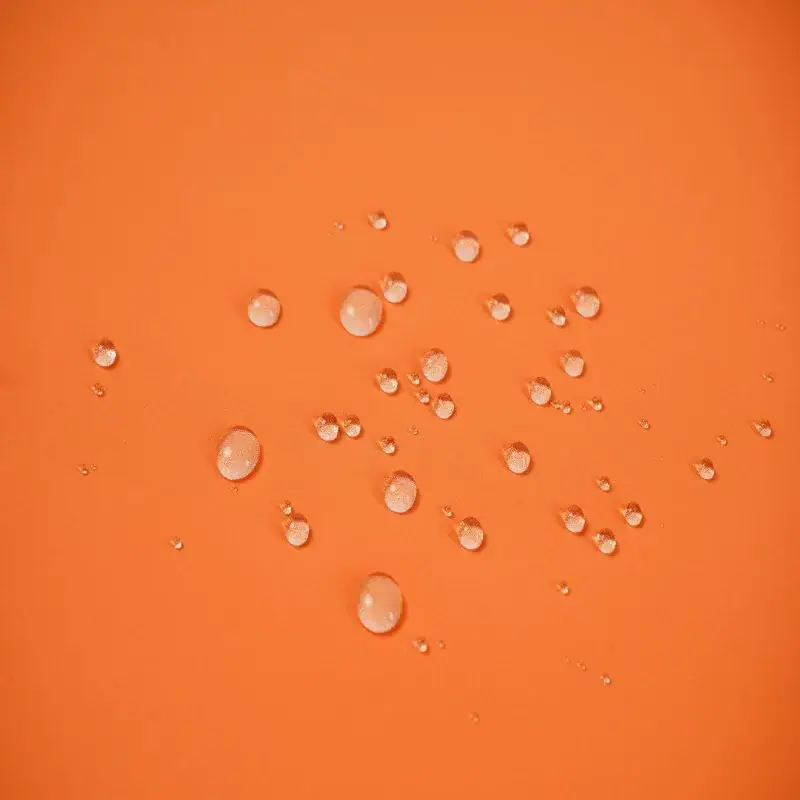
100D Stretch Laminated Fabric
100D Stretch Laminated Fabric is organized as a NexTex Lab B2B sourcing option for outdoor jackets, ski wear and windbreakers. The fabric uses a 100D polyester base with a TPU laminated structure for waterproof protection, wind resistance and breathable outdoor performance. Specification details can be adjusted by fabric weight, handfeel, coating direction, color, testing requirement and order quantity.
| Composition | 100% Polyester |
|---|---|
| Yarn Count | 100D*100D |
| Density | Other |
| Width | 145cm |
| Weight | 150 gsm |
| MOQ | 30 m supplier reference / project-based OEM MOQ |
Full Technical Fields
| Product Name | 100D Stretch Laminated Fabric |
|---|---|
| Brand | NexTex Lab / Motong Textile |
| Quality Standard | China National Standard (GB) |
| Composition | 100% Polyester |
| SKU / Article No. | MT001 |
| Season | Autumn / Winter |
| Weave Type | Plain Weave |
| Dyeing & Finishing | Dyed / Waterproof / Coated |
| Pattern Process | Solid Dyed |
| Yarn Count | 100D*100D |
| Density | Other |
| Width | 145cm |
| Weight | 150 gsm |
| Coating | TPU white membrane / laminated option |
| Waterproof | Project-based waterproof target |
| Breathability | Breathable / moisture-vapor option |
| Usage | Down Jackets, Suits, Shell Jackets, Jackets |
| MOQ | 30 m supplier reference / project-based OEM MOQ |
| Certifications | SGS testing support, OEKO-TEX support, REACH support |
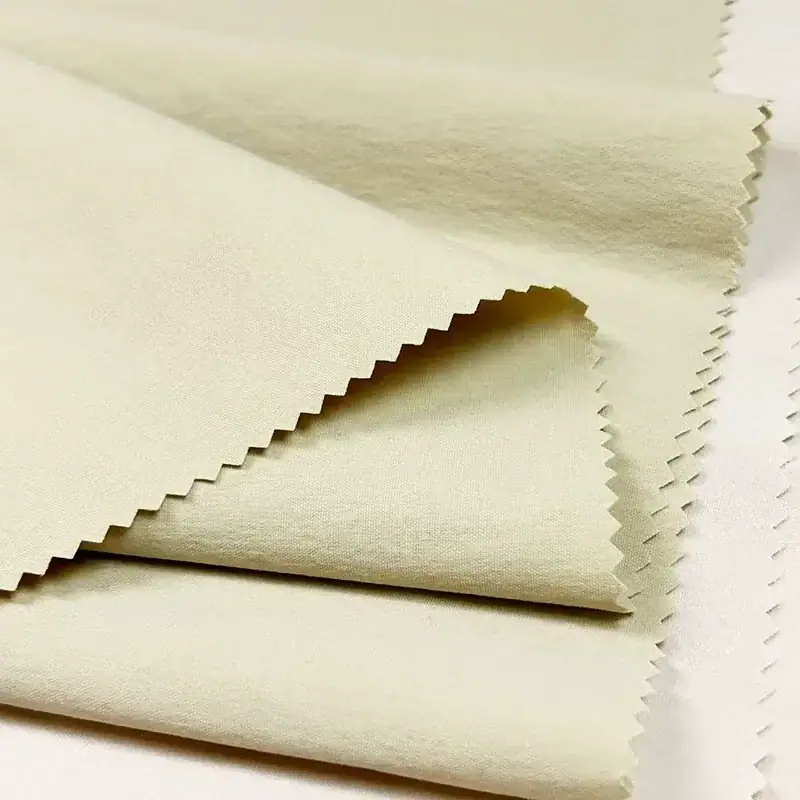
118gsm Nylon Four-Way Stretch Fabric for Outdoor Jackets
118gsm Nylon Four-Way Stretch Fabric for Outdoor Jackets is organized as a NexTex Lab B2B sourcing product for Outdoor Jackets. The product record is standardized from available supplier reference imagery and product title attributes, with custom development support by yarn system, stretch level, water-repellent finishing, texture, color and order quantity.
| Composition | Nylon / spandex stretch blend direction |
|---|---|
| Yarn Count | Project-based outdoor yarn system |
| Density | Project-based outdoor stretch density |
| Width | Custom width / 57-60 in direction |
| Weight | 118gsm direction |
| MOQ | Project-based OEM MOQ / supplier reference by color and specification |
Full Technical Fields
| Product Name | 118gsm Nylon Four-Way Stretch Fabric for Outdoor Jackets |
|---|---|
| Brand | NexTex Lab |
| Quality Standard | Project-based outdoor and activewear textile testing standard |
| Composition | Nylon / spandex stretch blend direction |
| SKU / Article No. | NTX-OUT-029 |
| Season | All season |
| Weave Type | Performance woven stretch structure |
| Dyeing & Finishing | Outdoor dyeing and finishing direction |
| Pattern Process | Custom color / custom surface option |
| Yarn Count | Project-based outdoor yarn system |
| Density | Project-based outdoor stretch density |
| Width | Custom width / 57-60 in direction |
| Weight | 118gsm direction |
| Coating | No membrane by default |
| Breathability | Application-based comfort direction |
| Usage | Outdoor Jackets |
| MOQ | Project-based OEM MOQ / supplier reference by color and specification |
| Certifications | Project-based testing support, OEKO-TEX support, REACH support |