Buying Guides
Best Fabric For Backpacks
A technical guide to backpack fabrics, ripstop nylon, waterproof laminated materials and abrasion-resistant outdoor textile systems.
Introduction
Backpacks experience some of the toughest conditions in outdoor product design.
Outdoor jackets mainly deal with weather and movement. Backpacks face constant loading, friction, sharp edges, ground contact and repeated stress.
Anyone who has used a hiking backpack for long enough has seen the common failure points:
- Torn corners
- Broken seams
- Surface abrasion
- Water penetration
- Material deformation
Because of this, modern outdoor brands need backpack fabrics that balance strength, weight, water resistance and long-term durability.
Why Backpack Fabric Matters
The fabric used in a backpack directly affects:
- Weight
- Durability
- Weather resistance
- Comfort
- Product lifespan
For hiking and outdoor applications, fabric selection is rarely about one single performance feature.
The challenge is to create a material system that is light enough to carry comfortably but strong enough for repeated outdoor use.
This balance is one of the biggest challenges in outdoor textile engineering.
Ripstop Nylon Remains An Industry Standard
One of the most widely used backpack materials is ripstop nylon.
Originally developed for demanding applications, ripstop weaving systems use reinforced yarn grids to improve tear resistance.
This engineering structure provides:
- Lightweight strength
- Improved tear resistance
- Outdoor durability
- Long-term reliability
Modern hiking backpacks often use ripstop nylon because it performs well under load while keeping overall product weight manageable.
Explore material options on the Ripstop Fabrics page.
Waterproof Backpack Fabrics
Weather resistance is another major factor.
Outdoor equipment frequently encounters:
- Rain
- Snow
- Mud
- Moisture
- Humid environments
Waterproof backpack fabrics help protect contents and extend product usability.
Many technical backpacks use:
- TPU laminated fabrics
- Waterproof nylon systems
- Durable coated textiles
These materials balance waterproof protection with lightweight construction. See Waterproof Fabrics for related material systems.
Abrasion Resistance Is Critical
Backpacks constantly rub against:
- Rocks
- Concrete
- Equipment
- Ground surfaces
- Outdoor structures
Without strong abrasion resistance, fabrics wear out quickly.
This is why technical backpack materials are often tested for:
- Surface durability
- Tear strength
- Friction resistance
- Outdoor lifespan
Testing guidance is covered on the Fabric Testing page.
Lightweight Performance Is A Priority
Modern consumers increasingly prefer lightweight outdoor gear.
Heavy backpacks reduce comfort during:
- Hiking
- Travel
- Climbing
- Outdoor sports
This trend has pushed textile manufacturers toward lighter technical fabrics that still maintain durability.
Balancing low weight with strong performance is a key part of modern outdoor gear development.
Common Backpack Materials
Popular backpack fabrics include:
- Ripstop nylon
- TPU laminated fabrics
- High-density polyester
- Waterproof coated textiles
Each material offers different advantages depending on the target application, price level and performance requirement.
For application planning, see Bags & Backpacks Solutions.
Final Thoughts
The best backpack fabrics combine:
- Durability
- Lightweight performance
- Abrasion resistance
- Waterproof protection
As outdoor lifestyles continue expanding worldwide, advanced technical backpack materials will remain a major growth area within the textile industry.
FAQ
What fabric is best for hiking backpacks?
Ripstop nylon and waterproof laminated fabrics are commonly used for hiking backpacks because of their durability and lightweight performance.
Why is ripstop nylon popular for backpacks?
Ripstop nylon provides excellent tear resistance while maintaining lightweight outdoor performance.
Fabric FAQ
Common Functional Fabric Questions
How do functional fabrics improve outdoor performance?
Functional fabrics combine waterproof protection, breathability, lightweight construction and durability to improve comfort and performance in demanding outdoor environments. They are widely used across outdoor apparel, travel gear and high-performance equipment.
Why are lightweight fabrics becoming more popular?
Lightweight fabrics improve mobility, reduce fatigue and increase comfort during outdoor activity, travel and sportswear use. Modern lightweight fabric engineering helps brands reduce weight while maintaining durability and weather protection.
How are modern outdoor fabrics different from traditional textiles?
Modern outdoor fabrics integrate advanced membrane technology, technical weaving systems, moisture-management engineering and sustainable material innovation. Unlike traditional textiles, they are developed around measurable performance needs and application-specific testing.
Are sustainable fabrics suitable for technical applications?
Yes. Modern sustainable fabrics can provide strong durability, waterproof performance and breathable comfort for outdoor and sportswear applications when fiber quality, construction and finishing are properly engineered.
Which industries use functional fabrics?
Technical fabrics are widely used in outdoor apparel, activewear, tactical gear, travel products, industrial textiles and high-performance equipment manufacturing. NexTex Lab organizes these needs through dedicated fabric solution pages.
Related Products
Product Materials Connected To This Guide
These product cards are connected through the product database, so buyers can move from fabric knowledge into sample-ready material options.
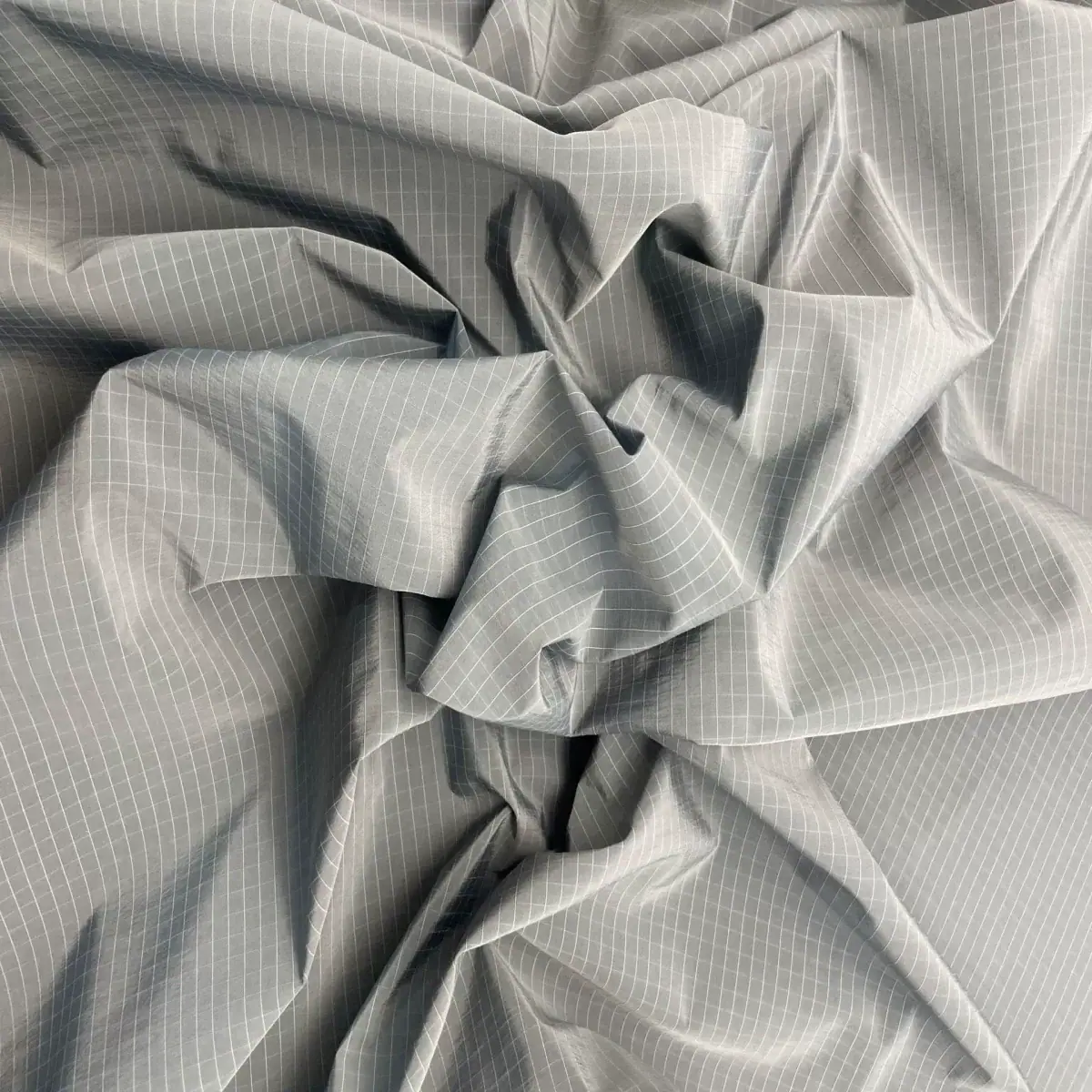
0.5 Grid Nylon Polyester Three-Layer Waterproof Backpack Fabric
0.5 Grid Nylon Polyester Three-Layer Waterproof Backpack Fabric is organized as a NexTex Lab B2B sourcing product for hiking backpacks, outdoor bags and technical equipment. The product direction combines nylon-polyester grid texture, ripstop-style outdoor durability and waterproof three-layer bonding. Specifications can be confirmed by color, backing structure, waterproof target, fabric weight, testing requirements and order quantity.
| Composition | Nylon / polyester grid woven blend direction |
|---|---|
| Yarn Count | Custom nylon-polyester yarn system |
| Density | 0.5 grid ripstop direction |
| Width | Custom width / 57-60 in direction |
| Weight | Project-based gsm option |
| MOQ | Project-based OEM MOQ / supplier reference by color and specification |
Full Technical Fields
| Product Name | 0.5 Grid Nylon Polyester Three-Layer Waterproof Backpack Fabric |
|---|---|
| Brand | NexTex Lab |
| Quality Standard | Project-based testing standard |
| Composition | Nylon / polyester grid woven blend direction |
| SKU / Article No. | NTX-3L-001 |
| Season | Spring / Autumn / All season |
| Weave Type | 0.5 grid ripstop woven structure |
| Dyeing & Finishing | Waterproof three-layer bonding / outdoor finishing |
| Pattern Process | Black yarn grid / custom color option |
| Yarn Count | Custom nylon-polyester yarn system |
| Density | 0.5 grid ripstop direction |
| Width | Custom width / 57-60 in direction |
| Weight | Project-based gsm option |
| Coating | Three-layer waterproof laminated structure option |
| Waterproof | Waterproof / rain-protection direction |
| Breathability | Breathable option by coating or laminated structure |
| Usage | Backpacks, hiking backpacks, outdoor bags, outdoor gear and technical equipment |
| MOQ | Project-based OEM MOQ / supplier reference by color and specification |
| Certifications | Project-based testing support, OEKO-TEX support, REACH support |
210D Ripstop Nylon Fabric For Backpacks
This ripstop nylon fabric is built for gear applications requiring tear resistance, abrasion durability and optional waterproof coating performance.
| Composition | 100% Nylon |
|---|---|
| Yarn Count | 210D x 210D |
| Density | Custom density by application |
| Width | 58/60 in |
| Weight | 135-165 gsm |
| MOQ | 1,000 m by color/spec |
Full Technical Fields
| Product Name | 210D Ripstop Nylon Fabric For Backpacks |
|---|---|
| Brand | NexTex Lab |
| Quality Standard | GB / SGS testing support |
| Composition | 100% Nylon |
| SKU / Article No. | NTX-RS-210D |
| Season | All season |
| Weave Type | Ripstop woven |
| Dyeing & Finishing | Dyeing + PU/TPU coating option |
| Pattern Process | Grid ripstop / solid color |
| Yarn Count | 210D x 210D |
| Density | Custom density by application |
| Width | 58/60 in |
| Weight | 135-165 gsm |
| Coating | PU / TPU / DWR option |
| Waterproof | 3,000-10,000 mm option |
| Breathability | Not primary target |
| Usage | Backpacks, tactical bags, outdoor equipment |
| MOQ | 1,000 m by color/spec |
| Certifications | SGS testing support, REACH support |