Fabric Knowledge
What Is Softshell Fabric?
Understand softshell fabric, how it differs from hardshell materials and why outdoor brands use breathable, flexible weather-resistant textiles.
Introduction
Outdoor apparel has changed dramatically over the last twenty years.
Older outdoor jackets were often stiff, heavy and restrictive. They protected against harsh weather but sacrificed comfort and flexibility.
Softshell fabric emerged as a solution to this problem.
Today, softshell materials are widely used because they combine:
- Comfort
- Breathability
- Flexibility
- Weather resistance
This balance makes softshell fabrics especially useful for active outdoor apparel.
What Makes Softshell Fabric Different?
Unlike hard waterproof shells, softshell fabrics prioritize movement and comfort.
Most softshell systems use woven stretch materials combined with weather-resistant textile engineering.
This allows garments to remain:
- Flexible
- Lightweight
- Breathable
- Comfortable during activity
Softshell fabrics are especially effective in moderate outdoor conditions where mobility is just as important as protection.
Explore material options on the Softshell Fabrics page.
Why Outdoor Brands Use Softshell Materials
Outdoor activities involve constant movement.
Hiking, climbing and skiing all require fabrics that move naturally with the body.
Softshell materials improve:
- Mobility
- Athletic comfort
- Breathability
- Layering performance
This is why they are commonly used in:
- Hiking jackets
- Ski apparel
- Climbing wear
- Outdoor training gear
For application-level planning, see Outdoor Apparel Solutions.
Softshell vs Hardshell Fabrics
Both softshell and hardshell fabrics are important in outdoor apparel.
Softshell fabrics prioritize:
- Comfort
- Breathability
- Flexibility
Hardshell fabrics prioritize:
- Maximum waterproof protection
- Severe weather resistance
Many outdoor users combine both systems depending on environmental conditions.
Final Thoughts
Softshell fabrics remain one of the most practical innovations in outdoor textile engineering.
As consumers increasingly prioritize comfort and mobility, softshell materials will continue to play an important role in modern outdoor apparel development.
FAQ
Is softshell fabric waterproof?
Softshell fabrics are typically water-resistant and breathable, making them suitable for active outdoor use.
Why is softshell fabric popular?
Softshell fabrics combine flexibility, comfort and weather resistance for outdoor activities.
Fabric FAQ
Common Functional Fabric Questions
How do functional fabrics improve outdoor performance?
Functional fabrics combine waterproof protection, breathability, lightweight construction and durability to improve comfort and performance in demanding outdoor environments. They are widely used across outdoor apparel, travel gear and high-performance equipment.
Why are lightweight fabrics becoming more popular?
Lightweight fabrics improve mobility, reduce fatigue and increase comfort during outdoor activity, travel and sportswear use. Modern lightweight fabric engineering helps brands reduce weight while maintaining durability and weather protection.
How are modern outdoor fabrics different from traditional textiles?
Modern outdoor fabrics integrate advanced membrane technology, technical weaving systems, moisture-management engineering and sustainable material innovation. Unlike traditional textiles, they are developed around measurable performance needs and application-specific testing.
Are sustainable fabrics suitable for technical applications?
Yes. Modern sustainable fabrics can provide strong durability, waterproof performance and breathable comfort for outdoor and sportswear applications when fiber quality, construction and finishing are properly engineered.
Which industries use functional fabrics?
Technical fabrics are widely used in outdoor apparel, activewear, tactical gear, travel products, industrial textiles and high-performance equipment manufacturing. NexTex Lab organizes these needs through dedicated fabric solution pages.
Related Products
Product Materials Connected To This Guide
These product cards are connected through the product database, so buyers can move from fabric knowledge into sample-ready material options.
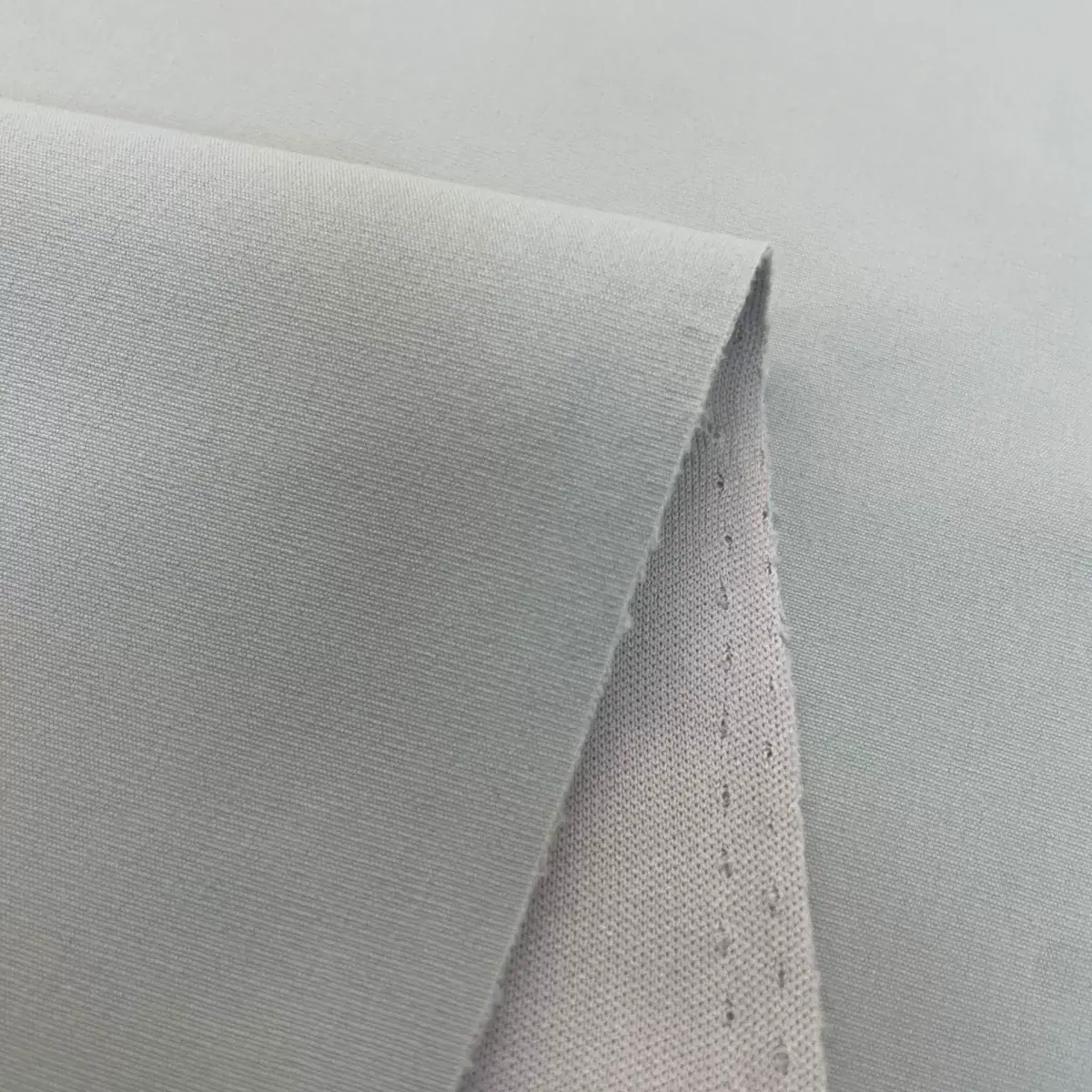
70+40 Matte Nylon Four-Way Stretch Bonded Knit-Back Fabric
70+40 Matte Nylon Four-Way Stretch Bonded Knit-Back Fabric is organized as a NexTex Lab B2B sourcing product for windbreakers, jackets, pants and softshell-style outdoor apparel. The product direction combines matte nylon stretch performance, knit-back bonding and soft drape comfort. Specifications can be confirmed by substrate, color, handfeel, bonding structure, testing requirements and order quantity.
| Composition | Nylon / spandex stretch woven face with knit-back bonding option |
|---|---|
| Yarn Count | 70+40D direction |
| Density | Project-based horizontal texture / bonded stretch structure |
| Width | Custom width / 57-60 in direction |
| Weight | Project-based gsm option |
| MOQ | Project-based OEM MOQ / supplier reference by color and specification |
Full Technical Fields
| Product Name | 70+40 Matte Nylon Four-Way Stretch Bonded Knit-Back Fabric |
|---|---|
| Brand | NexTex Lab |
| Quality Standard | Project-based testing standard |
| Composition | Nylon / spandex stretch woven face with knit-back bonding option |
| SKU / Article No. | NTX-ST-002 |
| Season | Spring / Autumn / All season |
| Weave Type | Matte stretch woven face bonded with knit backing |
| Dyeing & Finishing | Matte finishing + bonding / lamination + soft drape direction |
| Pattern Process | Matte solid color / horizontal texture option |
| Yarn Count | 70+40D direction |
| Density | Project-based horizontal texture / bonded stretch structure |
| Width | Custom width / 57-60 in direction |
| Weight | Project-based gsm option |
| Coating | Bonded knit-back structure / membrane option by project |
| Waterproof | Water-repellent finishing option |
| Breathability | Application-based comfort direction |
| Usage | Windbreakers, jackets, pants, outdoor apparel and softshell-style garments |
| MOQ | Project-based OEM MOQ / supplier reference by color and specification |
| Certifications | Project-based testing support, OEKO-TEX support, REACH support |
Bonded Softshell Stretch Fabric
This bonded softshell fabric supports outdoor mobility, wind resistance and thermal comfort for performance apparel collections.
| Composition | Polyester / Spandex + bonded backing |
|---|---|
| Yarn Count | Custom stretch yarn system |
| Density | Application-based |
| Width | 58/60 in |
| Weight | 260-320 gsm |
| MOQ | 1,000 m by color/spec |
Full Technical Fields
| Product Name | Bonded Softshell Stretch Fabric |
|---|---|
| Brand | NexTex Lab |
| Quality Standard | GB / OEKO-TEX / REACH support |
| Composition | Polyester / Spandex + bonded backing |
| SKU / Article No. | NTX-SS-BD-280 |
| Season | Autumn / Winter |
| Weave Type | Stretch woven bonded structure |
| Dyeing & Finishing | Dyeing + bonding + DWR option |
| Pattern Process | Solid color / melange option |
| Yarn Count | Custom stretch yarn system |
| Density | Application-based |
| Width | 58/60 in |
| Weight | 260-320 gsm |
| Coating | Bonded layer / DWR option |
| Waterproof | Water-resistant direction |
| Breathability | Comfort-focused |
| Usage | Softshell jackets, hiking pants, ski midlayers |
| MOQ | 1,000 m by color/spec |
| Certifications | OEKO-TEX support, REACH support |