Technology Insights
Technical Textiles Guide
A guide to technical textiles, including TPU laminated fabrics, ripstop engineering systems, flame retardant materials and performance textile applications.
Introduction
The textile industry is no longer limited to traditional clothing materials.
Today, technical textiles are used in industries such as:
- Outdoor sports
- Military equipment
- Medical products
- Industrial systems
- Automotive applications
These fabrics are engineered for performance rather than simple appearance.
Modern technical textiles combine advanced material science with specialized manufacturing and testing systems.
What Makes A Textile “Technical”?
Technical textiles are designed to solve performance problems.
Unlike ordinary fashion fabrics, technical textiles may provide:
- Waterproof protection
- Tear resistance
- Flame retardancy
- Breathability
- Abrasion resistance
This is why technical fabrics are widely used in high-performance environments.
TPU Laminated Fabrics
TPU laminated materials remain one of the most important technical textile categories.
These fabrics provide:
- Waterproof performance
- Flexible construction
- Lightweight engineering
- Outdoor durability
They are commonly used in:
- Outdoor jackets
- Tactical equipment
- Technical sportswear
Explore related material systems under TPU Laminated Fabrics.
Ripstop Engineering Systems
Ripstop textiles use reinforced yarn structures to improve tear resistance.
This engineering method allows materials to remain lightweight while improving durability.
Ripstop systems are commonly used in:
- Backpacks
- Outdoor apparel
- Tactical textiles
- Climbing equipment
Learn more on Ripstop Weaving Technology.
Flame Retardant Fabrics
Some technical textiles are engineered specifically for protection.
Flame retardant fabrics are often used in:
- Industrial uniforms
- Utility workwear
- Safety apparel
These materials help improve worker protection in demanding environments.
Explore related options under Flame Retardant Fabrics and Workwear Solutions.
Final Thoughts
Technical textiles continue expanding into new industries as material engineering becomes more advanced.
Future textile innovation will likely focus on:
- Lightweight construction
- Durability
- Sustainability
- High-performance engineering
Brands that understand technical textile systems can develop stronger, more reliable and more differentiated products.
FAQ
What are technical textiles?
Technical textiles are fabrics engineered for performance, functionality and application-specific requirements rather than appearance alone.
Where are technical textiles used?
Technical textiles are widely used in outdoor apparel, industrial systems, medical products and protective equipment.
Fabric FAQ
Common Functional Fabric Questions
How do functional fabrics improve outdoor performance?
Functional fabrics combine waterproof protection, breathability, lightweight construction and durability to improve comfort and performance in demanding outdoor environments. They are widely used across outdoor apparel, travel gear and high-performance equipment.
Why are lightweight fabrics becoming more popular?
Lightweight fabrics improve mobility, reduce fatigue and increase comfort during outdoor activity, travel and sportswear use. Modern lightweight fabric engineering helps brands reduce weight while maintaining durability and weather protection.
How are modern outdoor fabrics different from traditional textiles?
Modern outdoor fabrics integrate advanced membrane technology, technical weaving systems, moisture-management engineering and sustainable material innovation. Unlike traditional textiles, they are developed around measurable performance needs and application-specific testing.
Are sustainable fabrics suitable for technical applications?
Yes. Modern sustainable fabrics can provide strong durability, waterproof performance and breathable comfort for outdoor and sportswear applications when fiber quality, construction and finishing are properly engineered.
Which industries use functional fabrics?
Technical fabrics are widely used in outdoor apparel, activewear, tactical gear, travel products, industrial textiles and high-performance equipment manufacturing. NexTex Lab organizes these needs through dedicated fabric solution pages.
Related Products
Product Materials Connected To This Guide
These product cards are connected through the product database, so buyers can move from fabric knowledge into sample-ready material options.
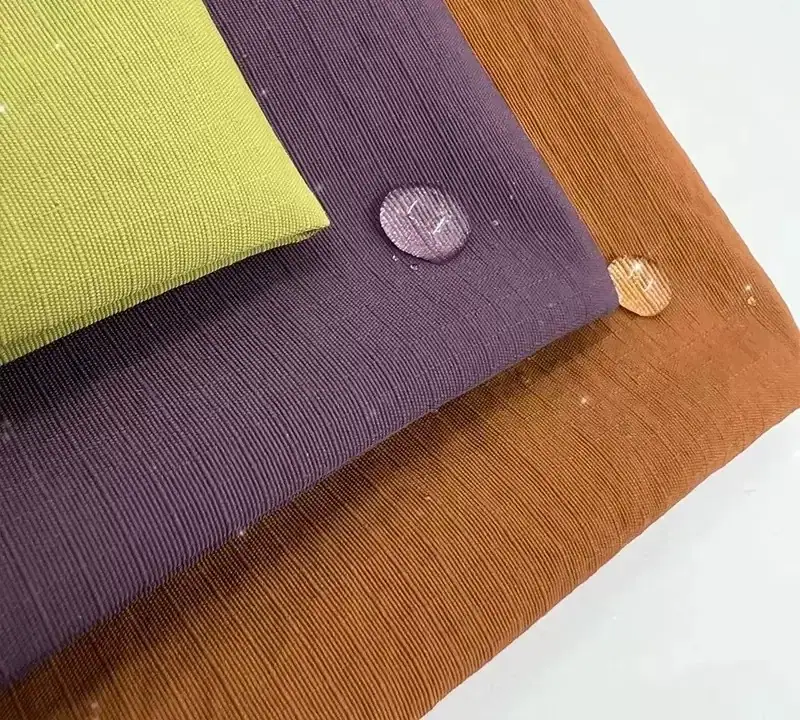
0.5 Grid Taslan Waterproof Fabric
0.5 Grid Taslan Waterproof Fabric is organized as a NexTex Lab B2B sourcing option.
| Composition | 100% Nylon |
|---|---|
| Yarn Count | 70*160 |
| Density | Other |
| Width | 148cm |
| MOQ | 10 m supplier reference / project-based OEM MOQ |
Full Technical Fields
| Product Name | 0.5 Grid Taslan Waterproof Fabric |
|---|---|
| Brand | NexTex Lab / Suzhou Motong Textile |
| Quality Standard | China National Standard (GB) |
| Composition | 100% Nylon |
| SKU / Article No. | MT0016 |
| Season | Autumn / Winter |
| Weave Type | Plain Weave |
| Dyeing & Finishing | Water-Repellent Finish |
| Pattern Process | Solid Dyed |
| Yarn Count | 70*160 |
| Density | Other |
| Width | 148cm |
| Usage | Hiking Jackets, Ski Wear, Workwear, Sportswear, Bags, Windbreakers |
| MOQ | 10 m supplier reference / project-based OEM MOQ |
| Certifications | Project-based support |
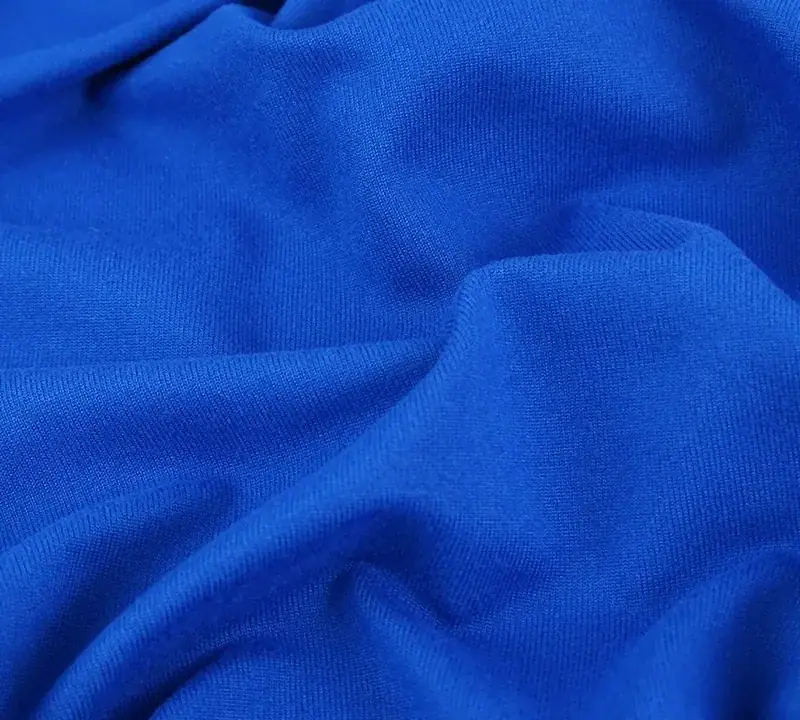
100D Milk-Silk Brushed Stretch Knit Fabric
100D Milk-Silk Brushed Stretch Knit Fabric organized as a NexTex Lab B2B sourcing option. Available specifications can be confirmed by application, color, finishing, testing and order requirements.
| Yarn Count | 100D |
|---|
Full Technical Fields
| Product Name | 100D Milk-Silk Brushed Stretch Knit Fabric |
|---|---|
| Brand | NexTex Lab |
| Yarn Count | 100D |
| Usage | T-Shirts,Swimwear,Sports Tops |
| Certifications | Project-based support |
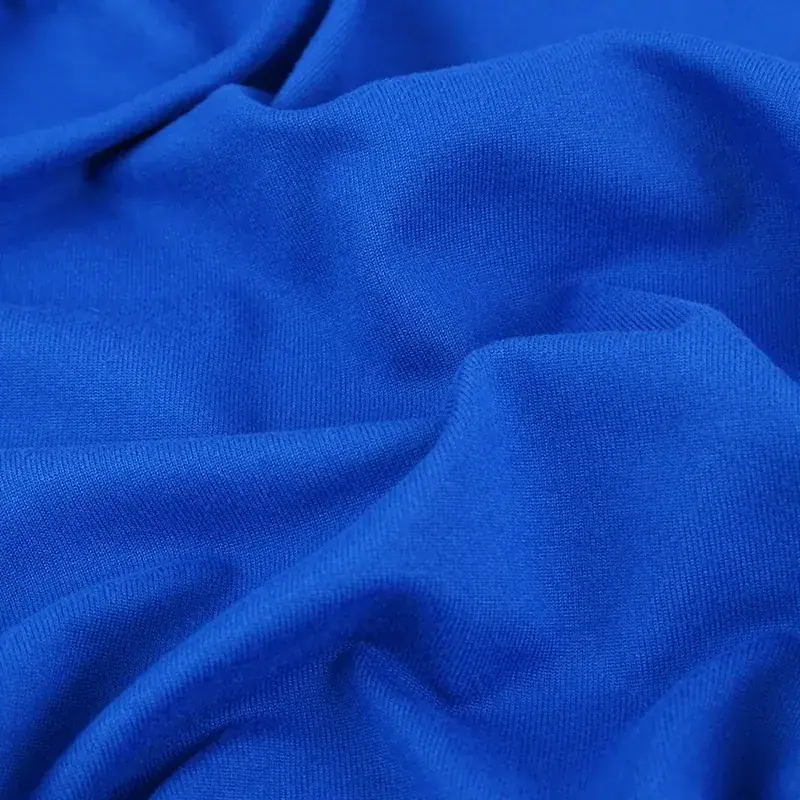
100D Stretch Technical Single Jersey Fabric
100D Stretch Technical Single Jersey Fabric is organized as a NexTex Lab B2B sourcing product for Activewear, Yoga Wear, Sportswear, Swimwear. The product record is refined from supplier reference imagery and available specification fields, with custom development support by weight, handfeel, finishing, color, testing requirement and order quantity.
| Yarn Count | 100d |
|---|---|
| MOQ | Project-based OEM MOQ / supplier reference by color and specification |
Full Technical Fields
| Product Name | 100D Stretch Technical Single Jersey Fabric |
|---|---|
| Brand | NexTex Lab / NexTex Lab supplier reference supplier reference |
| Quality Standard | Project-based testing standard |
| Season | Spring, Summer, Autumn, Winter |
| Weave Type | Knitted |
| Dyeing & Finishing | Brushed Finish |
| Yarn Count | 100d |
| Usage | Activewear, Yoga Wear, Sportswear, Swimwear |
| MOQ | Project-based OEM MOQ / supplier reference by color and specification |
| Certifications | Project-based testing support, OEKO-TEX support, REACH support |
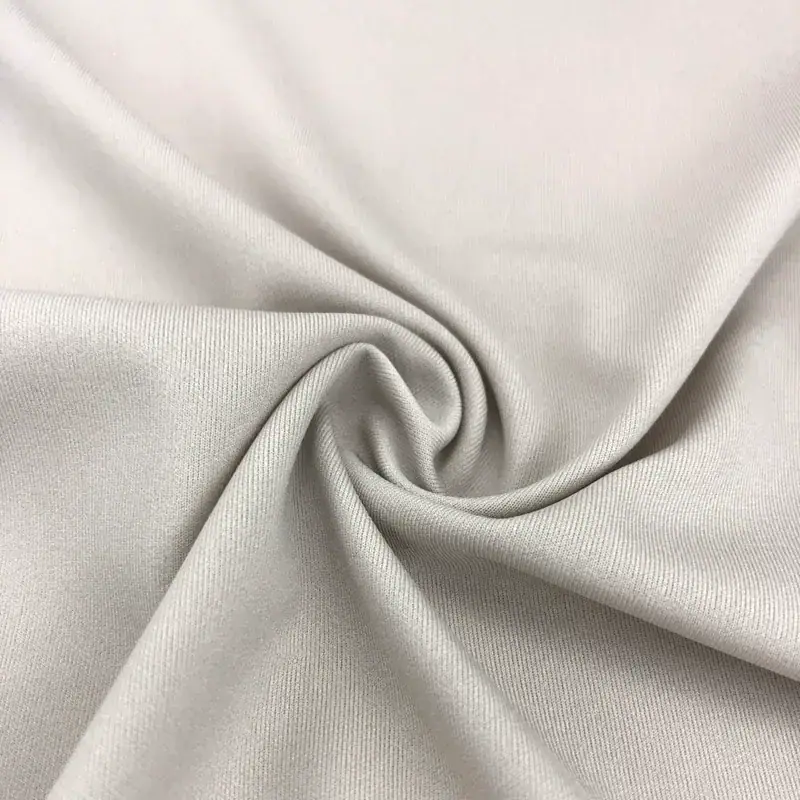
150gsm Stretch Technical Knit Fabric
150gsm Stretch Technical Knit Fabric is organized as a NexTex Lab B2B sourcing product for Activewear, Yoga Wear, Sportswear, Underwear. The product record is refined from supplier reference imagery and available specification fields, with custom development support by weight, handfeel, finishing, color, testing requirement and order quantity.
| Weight | 150 gsm |
|---|---|
| MOQ | Project-based OEM MOQ / supplier reference by color and specification |
Full Technical Fields
| Product Name | 150gsm Stretch Technical Knit Fabric |
|---|---|
| Brand | NexTex Lab / NexTex Lab supplier reference supplier reference |
| Quality Standard | Project-based testing standard |
| SKU / Article No. | 919990000000 |
| Season | Spring, Summer, Autumn, Winter |
| Weave Type | Knitted |
| Weight | 150 gsm |
| Usage | Activewear, Yoga Wear, Sportswear, Underwear, Base Layers |
| MOQ | Project-based OEM MOQ / supplier reference by color and specification |
| Certifications | Project-based testing support, OEKO-TEX support, REACH support |