Technology Insights
Fabric Abrasion Resistance Guide
Learn what fabric abrasion resistance means, how it is tested and why it matters for outdoor gear, tactical textiles and workwear.
Introduction
Many fabric failures do not happen because of tearing.
Instead, they happen slowly through continuous friction.
A backpack rubbing against rocks. A jacket repeatedly contacting rough surfaces. Outdoor equipment exposed to long-term wear.
This process is called abrasion.
In technical textiles, abrasion resistance is one of the most important indicators of long-term material durability.
What Is Abrasion Resistance?
Abrasion resistance measures how well a fabric withstands repeated friction and surface wear.
High abrasion resistance helps improve:
- Product lifespan
- Outdoor reliability
- Structural durability
- Material performance
This is especially important for technical products exposed to demanding environments.
Why Outdoor Fabrics Need Strong Abrasion Resistance
Outdoor textiles constantly experience contact with:
- Backpacks
- Equipment
- Ground surfaces
- Climbing gear
- Harsh environments
Without proper abrasion engineering, fabrics quickly weaken and lose performance.
This is why outdoor textile manufacturers heavily test durability before production.
How Abrasion Resistance Is Tested
Technical laboratories use specialized testing systems to evaluate how materials behave under repeated friction.
These tests evaluate:
- Surface wear
- Material breakdown
- Coating durability
- Structural performance
For a broader testing overview, visit Fabric Testing & Textile Quality Control.
Materials Known For Abrasion Resistance
Certain fabrics naturally perform better under friction stress.
Popular abrasion-resistant materials include:
- Ripstop nylon
- High-density polyester
- TPU laminated fabrics
- Technical woven textiles
These materials are widely used in:
- Outdoor gear
- Tactical products
- Hiking backpacks
- Industrial workwear
Explore Nylon Fabrics, Ripstop Fabrics and Tactical Gear Solutions for related applications.
Weight vs Durability
One major challenge in textile engineering is balancing:
- Lightweight construction
- High abrasion resistance
Traditionally, stronger materials were often heavier.
Modern textile engineering uses optimized yarns, ripstop structures and advanced finishing systems to improve durability without unnecessary weight.
This is one reason advanced weaving systems remain so important in outdoor and tactical textile development.
Final Thoughts
Abrasion resistance remains one of the most critical performance factors for outdoor, tactical and industrial fabrics.
As consumers increasingly demand lightweight yet durable products, abrasion-resistant textile innovation will continue evolving rapidly across outdoor and industrial markets.
FAQ
What is abrasion resistance?
Abrasion resistance measures how well a fabric withstands repeated friction and surface wear.
Why is abrasion resistance important?
It helps improve long-term fabric durability and outdoor product lifespan.
Fabric FAQ
Common Functional Fabric Questions
How do functional fabrics improve outdoor performance?
Functional fabrics combine waterproof protection, breathability, lightweight construction and durability to improve comfort and performance in demanding outdoor environments. They are widely used across outdoor apparel, travel gear and high-performance equipment.
Why are lightweight fabrics becoming more popular?
Lightweight fabrics improve mobility, reduce fatigue and increase comfort during outdoor activity, travel and sportswear use. Modern lightweight fabric engineering helps brands reduce weight while maintaining durability and weather protection.
How are modern outdoor fabrics different from traditional textiles?
Modern outdoor fabrics integrate advanced membrane technology, technical weaving systems, moisture-management engineering and sustainable material innovation. Unlike traditional textiles, they are developed around measurable performance needs and application-specific testing.
Are sustainable fabrics suitable for technical applications?
Yes. Modern sustainable fabrics can provide strong durability, waterproof performance and breathable comfort for outdoor and sportswear applications when fiber quality, construction and finishing are properly engineered.
Which industries use functional fabrics?
Technical fabrics are widely used in outdoor apparel, activewear, tactical gear, travel products, industrial textiles and high-performance equipment manufacturing. NexTex Lab organizes these needs through dedicated fabric solution pages.
Related Products
Product Materials Connected To This Guide
These product cards are connected through the product database, so buyers can move from fabric knowledge into sample-ready material options.
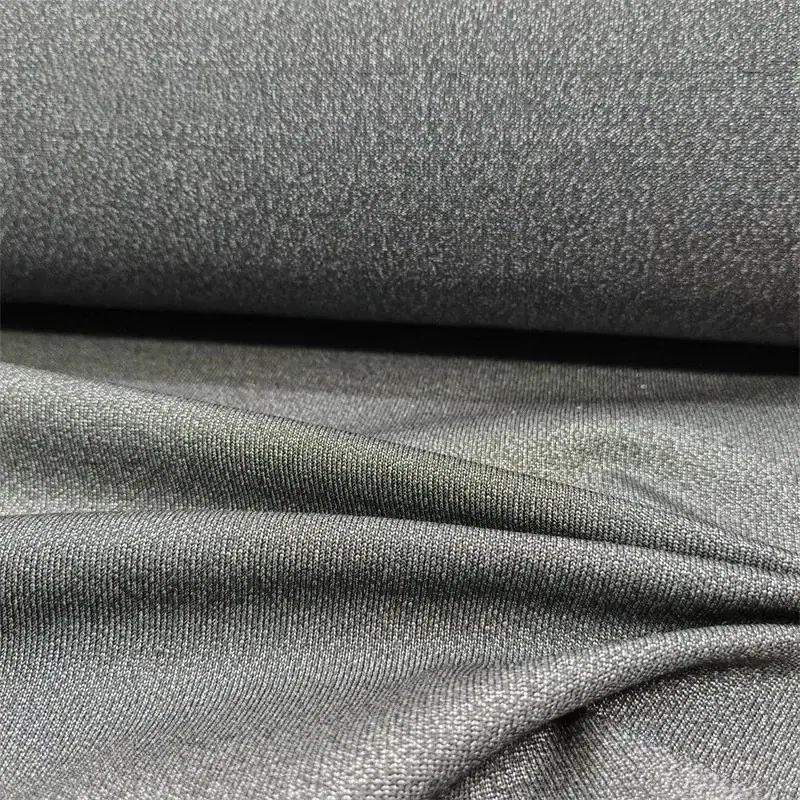
ANSI A5 Diamond-Yarn Cut-Resistant No Glass Fiber Or Steel Wire Fabric for Protective Apparel and Safety Gear
ANSI A5 Diamond-Yarn Cut-Resistant No Glass Fiber Or Steel Wire Fabric for Protective Apparel and Safety Gear is organized as a NexTex Lab B2B sourcing product for Protective Apparel, Safety Gear. The product record is standardized from available supplier reference imagery and product title attributes, with custom development support by fiber system, protective structure, color, testing requirements and order quantity.
| Composition | High-performance protective fiber blend direction |
|---|---|
| Yarn Count | Project-based stretch protective yarn system |
| Density | ANSI A5 direction protective structure |
| Width | Custom width / project-based roll width |
| Weight | Project-based gsm option |
| MOQ | Project-based OEM MOQ / supplier reference by color and specification |
Full Technical Fields
| Product Name | ANSI A5 Diamond-Yarn Cut-Resistant No Glass Fiber Or Steel Wire Fabric for Protective Apparel and Safety Gear |
|---|---|
| Brand | NexTex Lab |
| Quality Standard | Project-based protective textile testing standard |
| Composition | High-performance protective fiber blend direction |
| SKU / Article No. | NTX-CR-024 |
| Season | All season |
| Weave Type | Protective woven / layered structure |
| Dyeing & Finishing | abrasion-resistant protective finishing |
| Pattern Process | Custom color / custom surface option |
| Yarn Count | Project-based stretch protective yarn system |
| Density | ANSI A5 direction protective structure |
| Width | Custom width / project-based roll width |
| Weight | Project-based gsm option |
| Coating | No membrane by default |
| Breathability | Application-based |
| Usage | Protective Apparel, Safety Gear |
| MOQ | Project-based OEM MOQ / supplier reference by color and specification |
| Certifications | Project-based testing support, ANSI A5 direction, EN388 direction, OEKO-TEX support, REACH support |
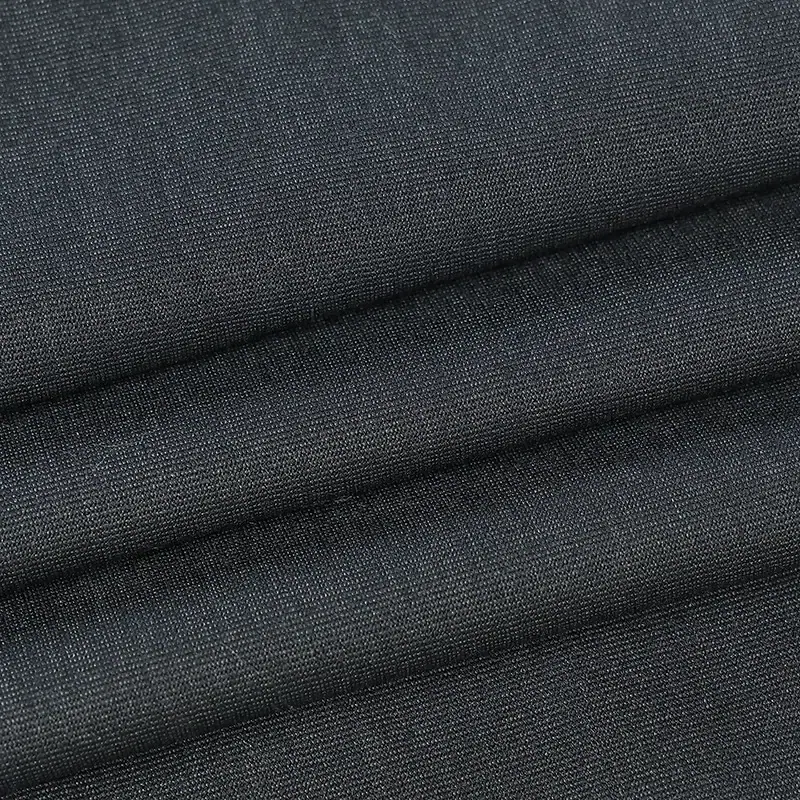
ANSI A5 High-Performance Protective Cut-Resistant Puncture-Resistant Abrasion-Resistant Fabric for Protective Gloves and Protective Apparel
ANSI A5 High-Performance Protective Cut-Resistant Puncture-Resistant Abrasion-Resistant Fabric for Protective Gloves and Protective Apparel is organized as a NexTex Lab B2B sourcing product for Protective Gloves, Protective Apparel. The product record is standardized from available supplier reference imagery and product title attributes, with custom development support by fiber system, protective structure, color, testing requirements and order quantity.
| Composition | High-performance protective fiber blend direction |
|---|---|
| Yarn Count | Project-based protective yarn system |
| Density | ANSI A5 direction protective structure |
| Width | Custom width / project-based roll width |
| Weight | Project-based gsm option |
| MOQ | Project-based OEM MOQ / supplier reference by color and specification |
Full Technical Fields
| Product Name | ANSI A5 High-Performance Protective Cut-Resistant Puncture-Resistant Abrasion-Resistant Fabric for Protective Gloves and Protective Apparel |
|---|---|
| Brand | NexTex Lab |
| Quality Standard | Project-based protective textile testing standard |
| Composition | High-performance protective fiber blend direction |
| SKU / Article No. | NTX-CR-036 |
| Season | All season |
| Weave Type | Protective woven / layered structure |
| Dyeing & Finishing | abrasion-resistant protective finishing |
| Pattern Process | Custom color / custom surface option |
| Yarn Count | Project-based protective yarn system |
| Density | ANSI A5 direction protective structure |
| Width | Custom width / project-based roll width |
| Weight | Project-based gsm option |
| Coating | No membrane by default |
| Breathability | Application-based |
| Usage | Protective Gloves, Protective Apparel |
| MOQ | Project-based OEM MOQ / supplier reference by color and specification |
| Certifications | Project-based testing support, ANSI A5 direction, EN388 direction, OEKO-TEX support, REACH support |
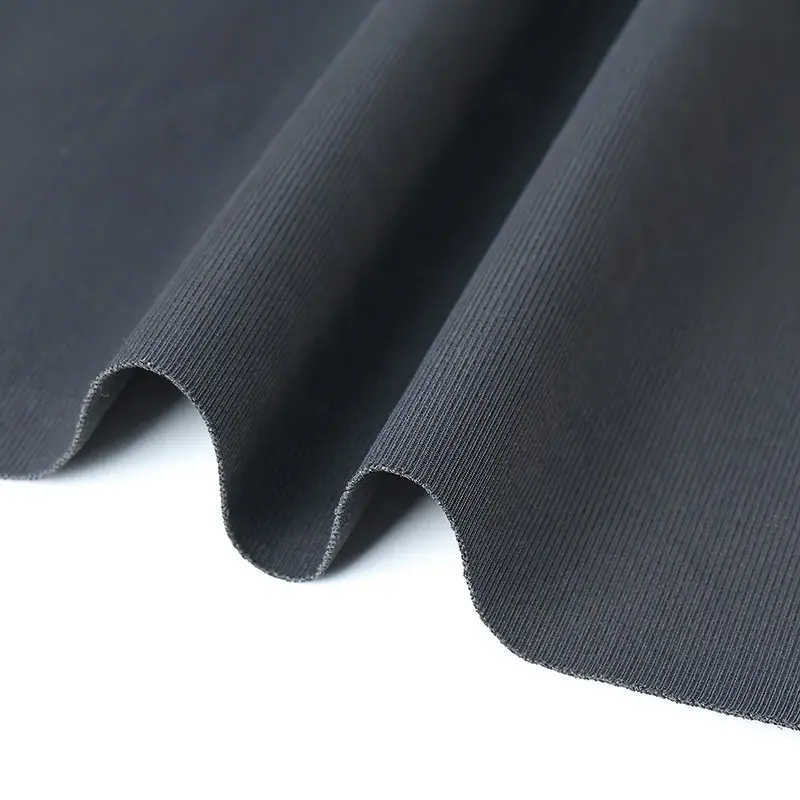
ANSI A6 High-Performance Protective Cut-Resistant Puncture-Resistant Tear-Resistant Fabric for Protective Gloves and Protective Apparel
ANSI A6 High-Performance Protective Cut-Resistant Puncture-Resistant Tear-Resistant Fabric for Protective Gloves and Protective Apparel is organized as a NexTex Lab B2B sourcing product for Protective Gloves, Protective Apparel. The product record is standardized from available supplier reference imagery and product title attributes, with custom development support by fiber system, protective structure, color, testing requirements and order quantity.
| Composition | High-performance protective fiber blend direction |
|---|---|
| Yarn Count | Project-based protective yarn system |
| Density | ANSI A6 direction protective structure |
| Width | Custom width / project-based roll width |
| Weight | Project-based gsm option |
| MOQ | Project-based OEM MOQ / supplier reference by color and specification |
Full Technical Fields
| Product Name | ANSI A6 High-Performance Protective Cut-Resistant Puncture-Resistant Tear-Resistant Fabric for Protective Gloves and Protective Apparel |
|---|---|
| Brand | NexTex Lab |
| Quality Standard | Project-based protective textile testing standard |
| Composition | High-performance protective fiber blend direction |
| SKU / Article No. | NTX-CR-028 |
| Season | All season |
| Weave Type | Protective knit structure |
| Dyeing & Finishing | abrasion-resistant protective finishing |
| Pattern Process | Custom color / custom surface option |
| Yarn Count | Project-based protective yarn system |
| Density | ANSI A6 direction protective structure |
| Width | Custom width / project-based roll width |
| Weight | Project-based gsm option |
| Coating | No membrane by default |
| Breathability | Application-based |
| Usage | Protective Gloves, Protective Apparel |
| MOQ | Project-based OEM MOQ / supplier reference by color and specification |
| Certifications | Project-based testing support, ANSI A6 direction, EN388 direction, OEKO-TEX support, REACH support |
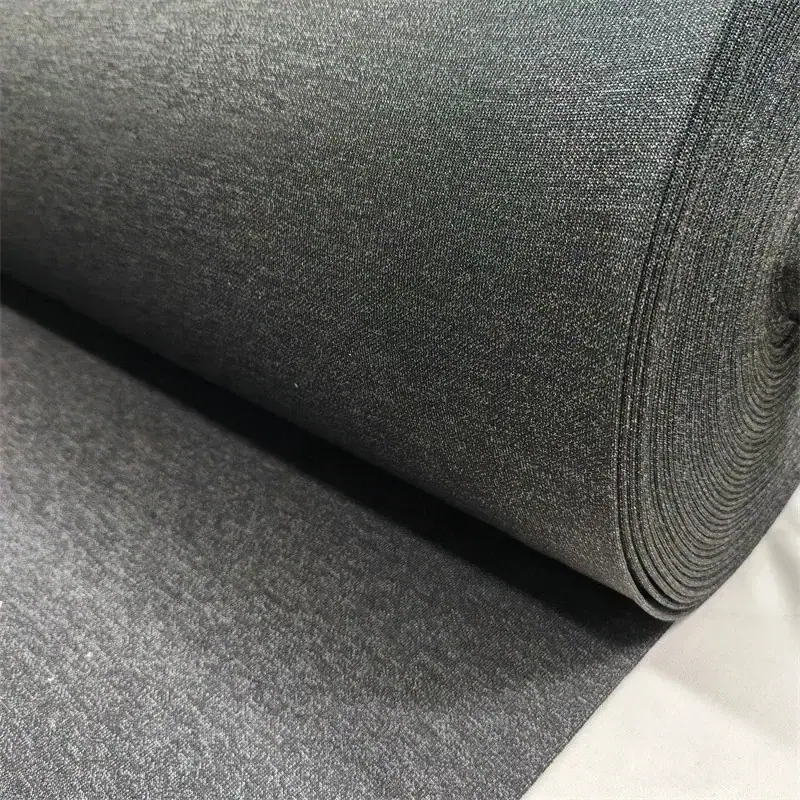
ANSI A8 UHMWPE Cut-Resistant Fabric Without Glass Fiber or Steel Wire
ANSI A8 UHMWPE Cut-Resistant Fabric Without Glass Fiber or Steel Wire is organized as a NexTex Lab B2B sourcing product for Cut-Resistant Gloves, Protective Apparel, Knife-Stab Protective Panels, Workwear, Safety Equipment. The product record is standardized from available supplier reference imagery and product title attributes, with custom development support by fiber system, protective structure, coating or finishing, color, testing requirements and order quantity.
| Composition | UHMWPE / ultra-high molecular weight PE direction without glass fiber or steel wire |
|---|---|
| Yarn Count | Project-based UHMWPE yarn system |
| Density | ANSI A8 direction high-abrasion protective structure |
| Width | Custom width / project-based roll width |
| Weight | Project-based gsm option |
| MOQ | Project-based OEM MOQ / supplier reference by color and specification |
Full Technical Fields
| Product Name | ANSI A8 UHMWPE Cut-Resistant Fabric Without Glass Fiber or Steel Wire |
|---|---|
| Brand | NexTex Lab |
| Quality Standard | Project-based protective textile testing standard |
| Composition | UHMWPE / ultra-high molecular weight PE direction without glass fiber or steel wire |
| SKU / Article No. | NTX-ANSI-002 |
| Season | All season |
| Weave Type | High-abrasion cut-resistant protective structure |
| Dyeing & Finishing | Knife-stab protection direction + abrasion-resistant finishing |
| Pattern Process | Custom color / custom surface option |
| Yarn Count | Project-based UHMWPE yarn system |
| Density | ANSI A8 direction high-abrasion protective structure |
| Width | Custom width / project-based roll width |
| Weight | Project-based gsm option |
| Coating | No membrane by default |
| Breathability | Application-based |
| Usage | Cut-Resistant Gloves, Protective Apparel, Knife-Stab Protective Panels, Workwear, Safety Equipment |
| MOQ | Project-based OEM MOQ / supplier reference by color and specification |
| Certifications | Project-based testing support, ANSI direction, EN388 direction, OEKO-TEX support, REACH support |