Buying Guides
Best Fabric For Hiking Jackets
Learn which fabrics work best for hiking jackets, including waterproof ripstop nylon, TPU laminated fabrics and breathable technical textiles.
Introduction
Hiking jackets face some of the most unpredictable conditions in outdoor apparel.
A single hiking trip can involve:
- Rain
- Wind
- Sudden temperature changes
- Abrasion from backpacks
- Long periods of movement
Because of this, hiking jacket fabrics need to balance multiple performance requirements at the same time.
The best hiking jacket materials usually combine:
- Waterproof protection
- Breathability
- Lightweight comfort
- Outdoor durability
Finding the right balance between these requirements is one of the most important decisions in outdoor apparel development.
Why Waterproof Protection Matters
Mountain weather changes quickly.
A lightweight hiking jacket without proper weather protection can fail when rain or wind suddenly arrives.
This is why many outdoor brands use:
- TPU laminated fabrics
- Waterproof ripstop nylon
- Breathable membrane systems
These materials help block water penetration while maintaining practical comfort.
Review suitable material systems on the Waterproof Fabrics page.
Breathability Is Essential
Waterproof performance alone is not enough.
Hiking generates body heat and sweat during movement.
Without breathability, moisture becomes trapped inside the jacket and creates discomfort.
Modern breathable waterproof fabrics help:
- Release moisture vapor
- Improve airflow
- Reduce condensation
- Maintain comfort during activity
Breathable waterproof systems are especially important for hiking jackets, rain shells and mountain apparel.
Lightweight Durability
Heavy jackets create fatigue during long hikes.
This is why lightweight textile engineering has become a major focus in outdoor fabric development.
Ripstop nylon fabrics are especially popular because they offer:
- Lightweight strength
- Tear resistance
- Outdoor durability
These fabrics perform well in demanding hiking conditions while keeping garment weight under control.
Explore Ripstop Fabrics and Lightweight Fabric Engineering for related guidance.
Common Hiking Jacket Materials
Popular hiking jacket fabrics include:
- Waterproof ripstop nylon
- TPU laminated fabrics
- Softshell outdoor fabrics
- Breathable technical textiles
Each material offers different advantages depending on the target weather conditions, weight requirements and comfort expectations.
For application planning, see Outdoor Apparel Solutions.
Final Thoughts
The best hiking jacket fabric is not simply the most waterproof material.
It is the material that balances protection, breathability, weight and durability for real outdoor use.
As outdoor lifestyles continue growing worldwide, demand for lightweight technical hiking materials will continue increasing across the global textile industry.
FAQ
What material is best for hiking jackets?
TPU laminated ripstop fabrics are commonly used for hiking jackets because they combine waterproof protection, lightweight durability and outdoor comfort.
Are hiking jackets breathable?
Most modern hiking jackets use breathable waterproof technologies designed for active outdoor use.
Fabric FAQ
Common Functional Fabric Questions
How do functional fabrics improve outdoor performance?
Functional fabrics combine waterproof protection, breathability, lightweight construction and durability to improve comfort and performance in demanding outdoor environments. They are widely used across outdoor apparel, travel gear and high-performance equipment.
Why are lightweight fabrics becoming more popular?
Lightweight fabrics improve mobility, reduce fatigue and increase comfort during outdoor activity, travel and sportswear use. Modern lightweight fabric engineering helps brands reduce weight while maintaining durability and weather protection.
How are modern outdoor fabrics different from traditional textiles?
Modern outdoor fabrics integrate advanced membrane technology, technical weaving systems, moisture-management engineering and sustainable material innovation. Unlike traditional textiles, they are developed around measurable performance needs and application-specific testing.
Are sustainable fabrics suitable for technical applications?
Yes. Modern sustainable fabrics can provide strong durability, waterproof performance and breathable comfort for outdoor and sportswear applications when fiber quality, construction and finishing are properly engineered.
Which industries use functional fabrics?
Technical fabrics are widely used in outdoor apparel, activewear, tactical gear, travel products, industrial textiles and high-performance equipment manufacturing. NexTex Lab organizes these needs through dedicated fabric solution pages.
Related Products
Product Materials Connected To This Guide
These product cards are connected through the product database, so buyers can move from fabric knowledge into sample-ready material options.
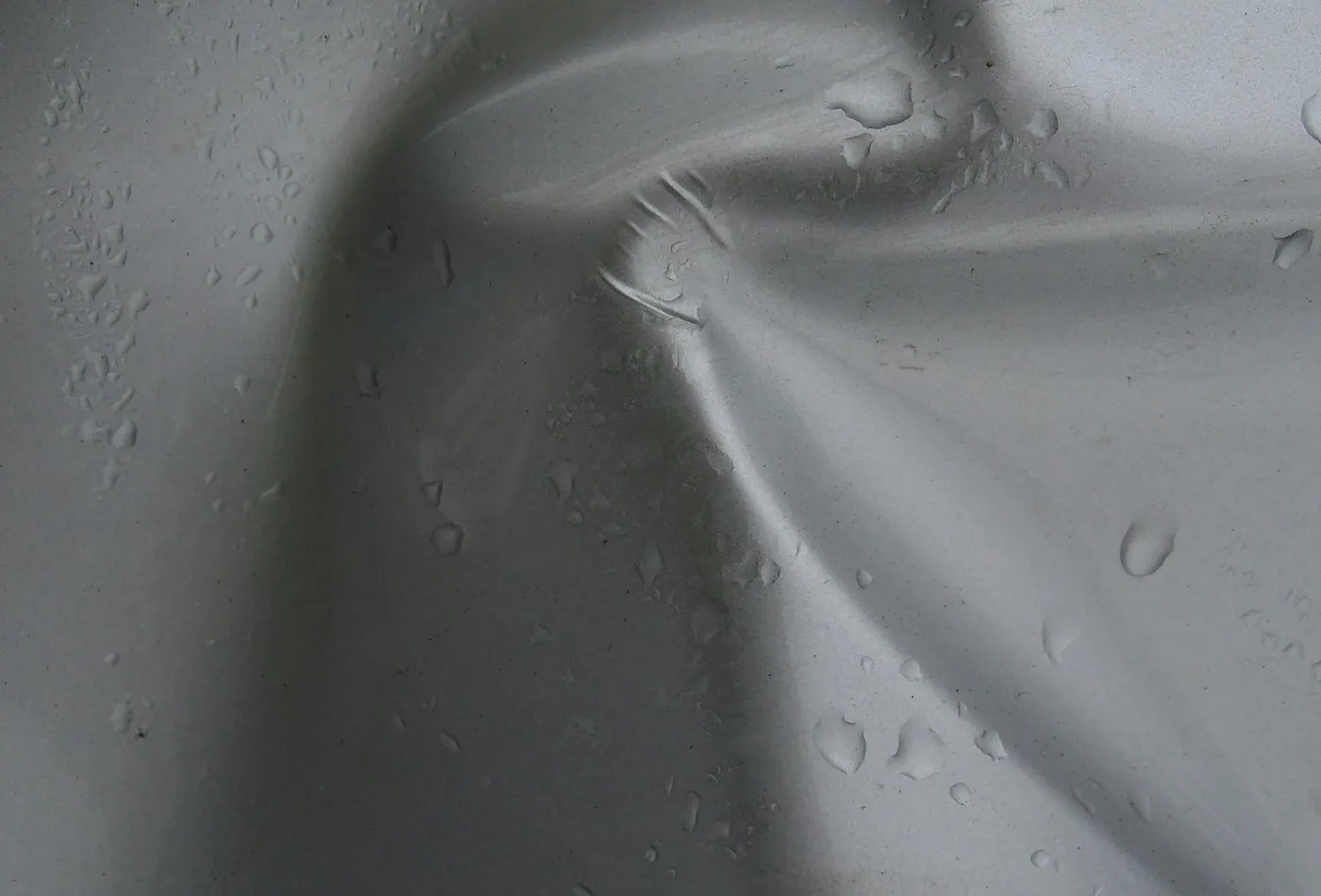
3-Layer TPU Laminated Ripstop Nylon Fabric
This technical textile combines ripstop nylon construction with TPU membrane lamination for waterproof outdoor apparel programs. It is suitable for brands developing hiking jackets, ski shells, tactical gear and weather-resistant backpacks.
| Composition | 100% Nylon + TPU membrane |
|---|---|
| Yarn Count | 70D x 70D |
| Density | 210T direction |
| Width | 58/60 in |
| Weight | 120-145 gsm |
| MOQ | 1,000 m by color/spec |
Full Technical Fields
| Product Name | 3-Layer TPU Laminated Ripstop Nylon Fabric |
|---|---|
| Brand | NexTex Lab |
| Quality Standard | GB / OEKO-TEX / REACH support |
| Composition | 100% Nylon + TPU membrane |
| SKU / Article No. | NTX-WP-3L-70D |
| Season | Spring / Autumn / Winter |
| Weave Type | Ripstop woven |
| Dyeing & Finishing | Dyeing + DWR + TPU lamination |
| Pattern Process | Solid color / custom color |
| Yarn Count | 70D x 70D |
| Density | 210T direction |
| Width | 58/60 in |
| Weight | 120-145 gsm |
| Coating | TPU laminated membrane |
| Waterproof | 10,000-20,000 mm |
| Breathability | 5,000-10,000 g/m2/24h |
| Usage | Hiking jackets, ski shells, rainwear, tactical gear |
| MOQ | 1,000 m by color/spec |
| Certifications | GRS option, OEKO-TEX support, REACH support |