Fabric Knowledge
What Is Flame Retardant Fabric?
Learn how flame retardant fabric works, which FR fiber and treatment systems are used, and how buyers compare flame, heat and workwear safety standards.
Definition
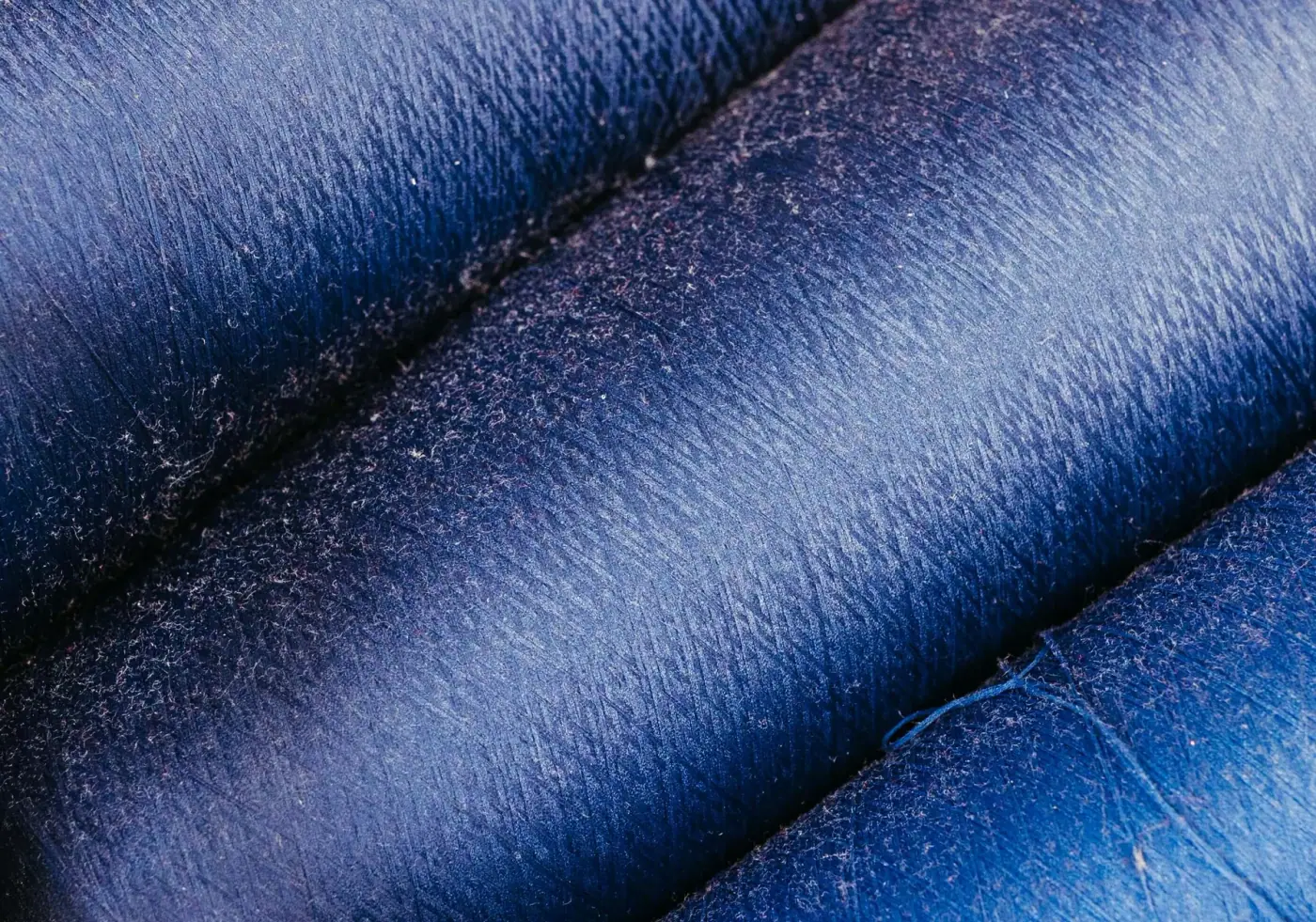
Flame retardant fabric is a textile engineered or treated to reduce ignition risk, slow flame spread and self-extinguish after the ignition source is removed. FR fabrics are not “fireproof”; instead, they are designed to reduce fire hazard and support user protection under specific test conditions.
Flame retardancy can be achieved through chemical treatments applied to conventional fabrics or through inherently flame-resistant fibers such as aramids, modacrylics, FR viscose and FR polyester. These materials are used in flame retardant fabrics, workwear, tactical gear, industrial textiles, transportation interiors and protective apparel.
Because flame risk varies by industry, FR fabric selection should be based on the relevant standard, hazard type, garment design and verified fabric testing.
How Flame Retardant Fabric Works
Flame retardant fabrics use chemistry, fiber structure or physical barrier behavior to interrupt the combustion process. Different systems may act in the gas phase, condensed phase or through thermal insulation.
Chemical Treatments
- Phosphorus-based FR: Promotes char formation that insulates the fabric from heat.
- Nitrogen-based FR: Can release inert gases and reduce available oxygen near the flame.
- Halogen-based FR: Interferes with combustion chemistry, but is less preferred in many markets due to environmental and toxicity concerns.
- Intumescent systems: Expand under heat and create a protective foam-like barrier.
Inherently Flame-Resistant Fibers
- Aramids: Fibers such as meta-aramid and para-aramid resist thermal decomposition and are used in high-performance protective clothing.
- Modacrylic: Polymer chemistry supports self-extinguishing behavior and soft hand feel in blends.
- FR polyester: Flame retardant additives are incorporated during fiber production.
- PBI and high-performance fibers: Used for extreme heat and professional protective applications.
Physical Mechanisms
- Char formation: A carbonized layer helps block heat and oxygen.
- Endothermic decomposition: Chemical reactions absorb heat energy.
- Flame dilution: Water vapor or inert gases can reduce flammable gases.
- Melt-drip control: Some systems reduce molten polymer dripping, which can spread injury risk.
FR performance is validated through standards that measure afterflame, afterglow, char length, heat transfer, arc rating or limited flame spread depending on the application.
Key Specifications
| Property | Common Test Standard | Typical Evaluation |
|---|---|---|
| Vertical Flame | ASTM D6413, NFPA 2112 | Afterflame, afterglow and char length |
| Limiting Oxygen Index | ASTM D2863 | Oxygen level required to sustain burning |
| Heat Transfer | ISO 9151, ISO 17492 | Heat transmission through fabric |
| Arc Rating | ASTM F1959, ASTM F1506 | ATPV or EBT in cal/cm² |
| Limited Flame Spread | EN ISO 14116 | Index 1-3 performance levels |
| Heat and Flame Protection | EN ISO 11612 | A, B, C, D, E, F code levels |
| Wash Durability | Standard dependent | Performance after laundering |
Actual requirements vary by country, industry and hazard assessment. Buyers should confirm target standards before fabric development or bulk sourcing.
Types of Flame Retardant Fabric
Treated FR Cotton
- Cotton fabric with flame retardant chemical treatment
- Comfortable and breathable
- Common in industrial uniforms and general workwear
- Wash durability depends on treatment chemistry and laundering
- Economical compared with high-performance inherent FR fibers
FR Cotton Blends
- Cotton blended with nylon, polyester or other fibers
- Improved durability compared with pure cotton
- Used in industrial and utility workwear
- Can balance comfort, strength and protection
- Requires verified FR performance after washing
Inherent FR Aramid Fabrics
- Meta-aramid, para-aramid and related high-performance fibers
- Flame resistance is built into the fiber chemistry
- Used in firefighter gear, military systems, aerospace and high-hazard workwear
- Higher cost but stronger long-term performance potential
- Often used in multi-layer protective systems
Modacrylic Blends
- Modacrylic combined with cotton, aramid, viscose or other fibers
- Soft hand feel and good FR behavior
- Used in arc flash clothing, utility apparel and protective base layers
- Cost-effective alternative to some pure aramid systems
FR Polyester
- Flame retardant additives built into polyester fiber
- Durable and wrinkle resistant
- Used in uniforms, curtains, upholstery and public-space textiles
- Often selected where dimensional stability and easy care matter
- Must meet the target standard for the intended market
FR Wool
- Wool has natural flame resistance compared with many fibers
- Additional FR treatment may be used for stricter standards
- Used in uniforms, suiting and military applications
- Comfortable and temperature regulating
FR Viscose
- Cellulosic fiber engineered or treated for flame resistance
- Soft, moisture absorbent and comfortable
- Used in base layers, linings and multi-layer systems
- Often blended with aramid or modacrylic fibers
High-Visibility FR Fabric
- Combines FR protection with fluorescent color and reflective elements
- Used in construction, utilities, road work and emergency service apparel
- May need to meet both FR and visibility standards
- Requires careful selection of FR-compatible reflective tape
Arc-Rated FR Fabric
- Designed for electric arc flash protection
- Tested and labeled with ATPV or EBT ratings
- Used in electrical utilities, power generation and industrial maintenance
- Not all FR fabrics are arc-rated
Advantages
- Risk reduction: Helps reduce ignition, flame spread and burn injury potential.
- Self-extinguishing behavior: Stops burning after flame exposure under defined conditions.
- Regulatory support: Helps meet OSHA, NFPA, EN and industry-specific safety requirements.
- Multi-hazard options: Can combine flame resistance with arc rating, visibility, chemical resistance or durability.
- Comfort options: Cotton, viscose and modacrylic blends can improve wearability.
- Long-term systems: Inherent FR fibers maintain flame resistance through the fiber itself.
- Application flexibility: Used across workwear, military, industrial, transportation and public-space textiles.
Limitations
- Not fireproof: FR fabrics reduce risk but do not make users immune to heat or flame injury.
- Higher cost: FR fibers, treatments and certification add cost compared with standard textiles.
- Care sensitivity: Bleach, softeners, contamination and incorrect laundering can reduce performance.
- Treatment durability: Some topical treatments decline after repeated washing.
- Comfort trade-offs: Some FR fabrics are heavier, stiffer or less breathable.
- Regulatory complexity: Different standards apply to flash fire, arc flash, molten metal, heat and limited flame spread.
- Chemical review: Some FR chemistries face environmental or health scrutiny.
Applications
Industrial Workwear
- Oil and gas apparel
- Petrochemical uniforms
- Welding garments
- Metal foundry apparel
- Utility and maintenance workwear
Explore related material programs through workwear solutions.
Emergency Services
- Firefighter outer shells and liners
- Wildland fire apparel
- Rescue uniforms
- Protective gloves and hoods
- Emergency response layers
Military and Tactical
- Combat uniforms
- Flight suits
- Tank crew apparel
- Protective base layers
- Tactical outerwear
See also tactical gear for rugged protective textile applications.
Transportation
- Aircraft interior textiles
- Rail and bus upholstery
- Marine interior fabrics
- Racing suits and pit crew apparel
- Automotive protective applications
Public Spaces
- Theater curtains
- Hospital curtains and bedding
- Hotel drapes and furnishings
- School and dormitory textiles
- Commercial interior fabrics
Regulated Consumer Textiles
- Children’s sleepwear in regulated markets
- Mattress components
- Upholstered furniture in certain jurisdictions
- Protective home textiles
FR Standards and Certifications
| Standard | Region | Application | Focus |
|---|---|---|---|
| NFPA 2112 | USA | Flash fire protection | Flame resistance and thermal protection |
| NFPA 70E | USA | Electrical safety | Arc flash hazard categories and PPE |
| ASTM F1506 | USA | Arc-rated workwear | Textile performance for electrical workers |
| OSHA 1910.269 | USA | Electric utilities | Protective clothing requirements |
| EN ISO 11612 | Europe | Heat and flame protection | A, B, C, D, E and F performance codes |
| EN ISO 14116 | Europe | Limited flame spread | Index 1-3 performance levels |
| AS/NZS 1530.3 | Australia / NZ | Fire behavior | Ignitability, spread and heat release indices |
Third-party validation, inspection and documentation may be needed for regulated markets. See SGS testing and ISO quality management for related quality and compliance support.
Treated FR vs Inherent FR
| Feature | Treated FR | Inherent FR |
|---|---|---|
| FR Method | Chemical treatment on fabric | Fiber-level resistance |
| Durability | Wash dependent | Usually garment-life when undamaged |
| Cost | Lower | Higher |
| Comfort | Often good with cotton | Varies by fiber and blend |
| Performance | Good when maintained | Strong for high-hazard applications |
| Maintenance | More sensitive to laundering | Still requires correct care |
| Typical Use | General industrial workwear | High-hazard and professional PPE |
FAQs
What is the difference between flame retardant and flame resistant?
The terms are often used interchangeably. Flame retardant usually refers to fabrics treated or engineered to reduce burning, while flame resistant often emphasizes inherent or durable resistance. Buyers should focus on the tested standard and performance data.
Does flame retardant fabric burn?
FR fabric can char, melt or burn under flame exposure, but it is designed to self-extinguish or limit flame spread when the ignition source is removed. Performance depends on the fabric system and test condition.
How long does FR treatment last?
Topical FR treatment durability depends on chemistry, laundering, contamination and care. Some treated fabrics are rated for many industrial washes, while inherent FR fibers maintain resistance through the fiber structure. Always follow supplier care guidance.
Can FR clothing be washed at home?
Some FR clothing can be washed at home if the care label allows it. Bleach, fabric softener and contaminated laundry processes should generally be avoided. Critical PPE programs often require controlled laundering.
Is FR fabric safe to wear?
Modern compliant FR fabrics are widely used in workwear and protective apparel. Safety depends on chemistry, certification and intended skin contact. Buyers should request OEKO-TEX, REACH or other relevant documentation when required.
Do FR clothes protect against electric arc flash?
Only arc-rated FR garments are designed and tested for electric arc flash protection. Standard FR clothing should not be assumed to provide arc protection unless it carries ATPV or EBT rating data.
Can FR clothing lose protection?
Yes. Treatments can degrade, contamination can increase flammability and physical damage can reduce coverage. Inherent FR fibers retain fiber-level resistance, but torn, thin or contaminated garments may still be unsafe.
What is the most comfortable FR fabric?
Treated FR cotton, FR cotton blends, FR viscose and modacrylic blends are often selected for comfort. The best choice depends on hazard level, climate, durability, laundering and garment design.
Why is FR fabric more expensive?
FR fabrics require specialized fibers, chemical treatments, testing, certification and quality control. Higher cost reflects both material complexity and safety validation.
Can FR clothing be repaired?
Repairs should use compatible FR fabric, FR thread and approved methods. Non-FR patches or stitching can create weak points in protective coverage.
References
- NFPA 2112: Standard on Flame-Resistant Clothing for Industrial Personnel
- NFPA 70E: Standard for Electrical Safety in the Workplace
- ASTM F1506: Standard Performance Specification for Flame Resistant Textile Materials
- ASTM D6413: Standard Test Method for Flame Resistance of Textiles
- ASTM D2863: Standard Test Method for Measuring the Minimum Oxygen Concentration
- EN ISO 11612: Protective clothing against heat and flame
- EN ISO 14116: Protective clothing - Protection against flame - Limited flame spread materials
- OSHA 1910.132: Personal Protective Equipment General Requirements
- International Safety Equipment Association: FR and PPE guidance
Fabric FAQ
Common Functional Fabric Questions
How do functional fabrics improve outdoor performance?
Functional fabrics combine waterproof protection, breathability, lightweight construction and durability to improve comfort and performance in demanding outdoor environments. They are widely used across outdoor apparel, travel gear and high-performance equipment.
Why are lightweight fabrics becoming more popular?
Lightweight fabrics improve mobility, reduce fatigue and increase comfort during outdoor activity, travel and sportswear use. Modern lightweight fabric engineering helps brands reduce weight while maintaining durability and weather protection.
How are modern outdoor fabrics different from traditional textiles?
Modern outdoor fabrics integrate advanced membrane technology, technical weaving systems, moisture-management engineering and sustainable material innovation. Unlike traditional textiles, they are developed around measurable performance needs and application-specific testing.
Are sustainable fabrics suitable for technical applications?
Yes. Modern sustainable fabrics can provide strong durability, waterproof performance and breathable comfort for outdoor and sportswear applications when fiber quality, construction and finishing are properly engineered.
Which industries use functional fabrics?
Technical fabrics are widely used in outdoor apparel, activewear, tactical gear, travel products, industrial textiles and high-performance equipment manufacturing. NexTex Lab organizes these needs through dedicated fabric solution pages.